

Ghevar from Rajasthan
No Sawan is complete without the mention of Ghevar, a disc-shaped sweet that is a specialty of Rajasthan. This honeycomb-like dessert is made from a batter of flour and ghee, deep-fried, and then soaked in sugar syrup. Traditionally associated with the monsoon
festivals of Teej and Raksha Bandhan which fall during Sawan, Ghevar is more than just a sweet; it is a cultural symbol of celebration and togetherness. The moisture in the monsoon air is believed to be ideal for achieving its perfectly crisp yet soft texture. Often topped with rabri, nuts, and silver leaf, it's an indulgent treat that marks the festive spirit of the season.
Sabudana Khichdi from Maharashtra
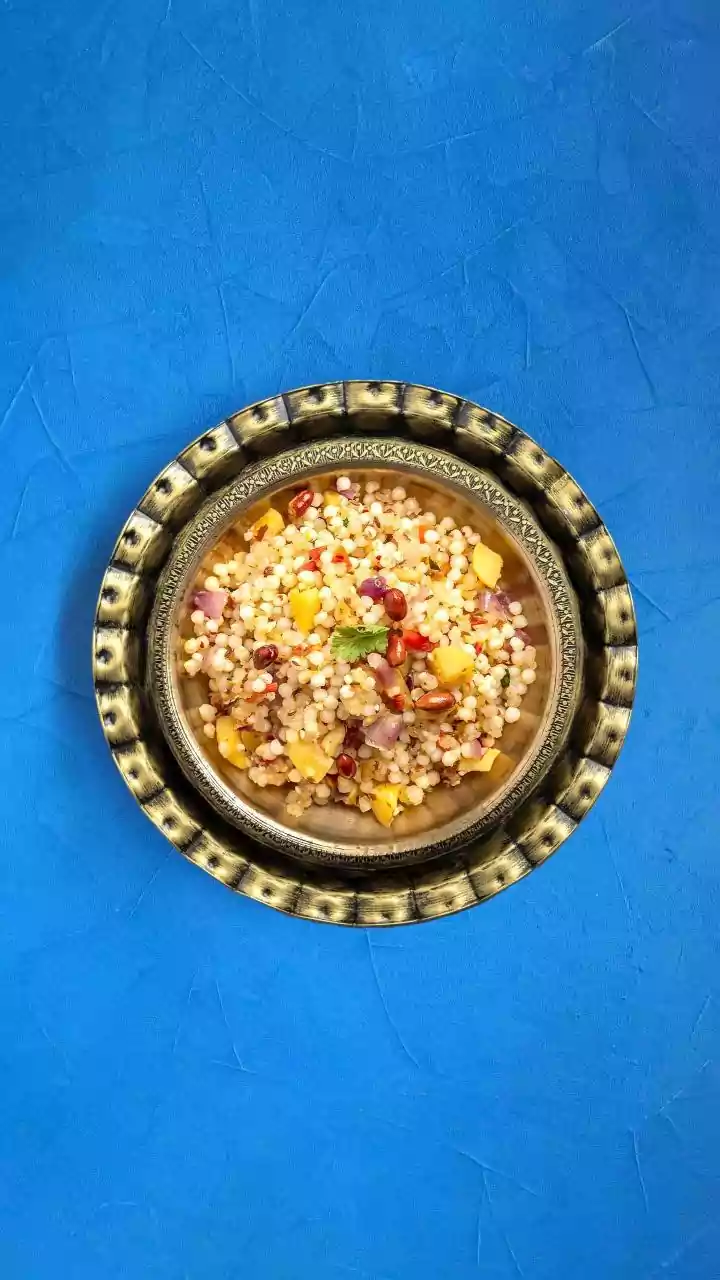
A staple in Maharashtrian households during any fasting period, Sabudana Khichdi is a beloved Sawan dish. Made from soaked tapioca pearls, this dish is light on the stomach yet incredibly filling, providing sustained energy for those observing fasts. The soft, pearly sabudana is typically tossed with roasted peanuts, boiled potatoes, green chillies, and cumin, and cooked in ghee. A final squeeze of lemon juice adds a tang that cuts through the richness, making it a perfectly balanced and comforting meal.
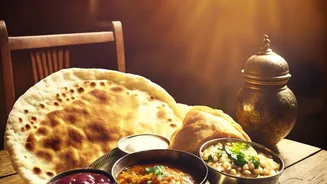
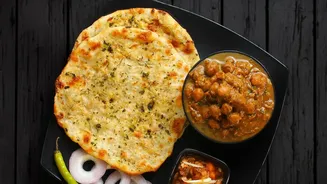
Kuttu ki Puri from North India
Across North India, especially in states like Uttar Pradesh and Punjab, Sawan fasting menus invariably feature Kuttu ki Puri. Kuttu, or buckwheat flour, is one of the special 'vrat' flours permitted during fasts. The flour is often kneaded with mashed boiled potatoes and spices like cumin and black pepper before being rolled into small discs and deep-fried. These puris have a distinct nutty flavour and a slightly crisp texture. They are typically served hot with a simple, no-onion-no-garlic potato curry, known as 'vrat wale aloo', and a side of cooling curd.
Malpua from Bihar and Eastern India
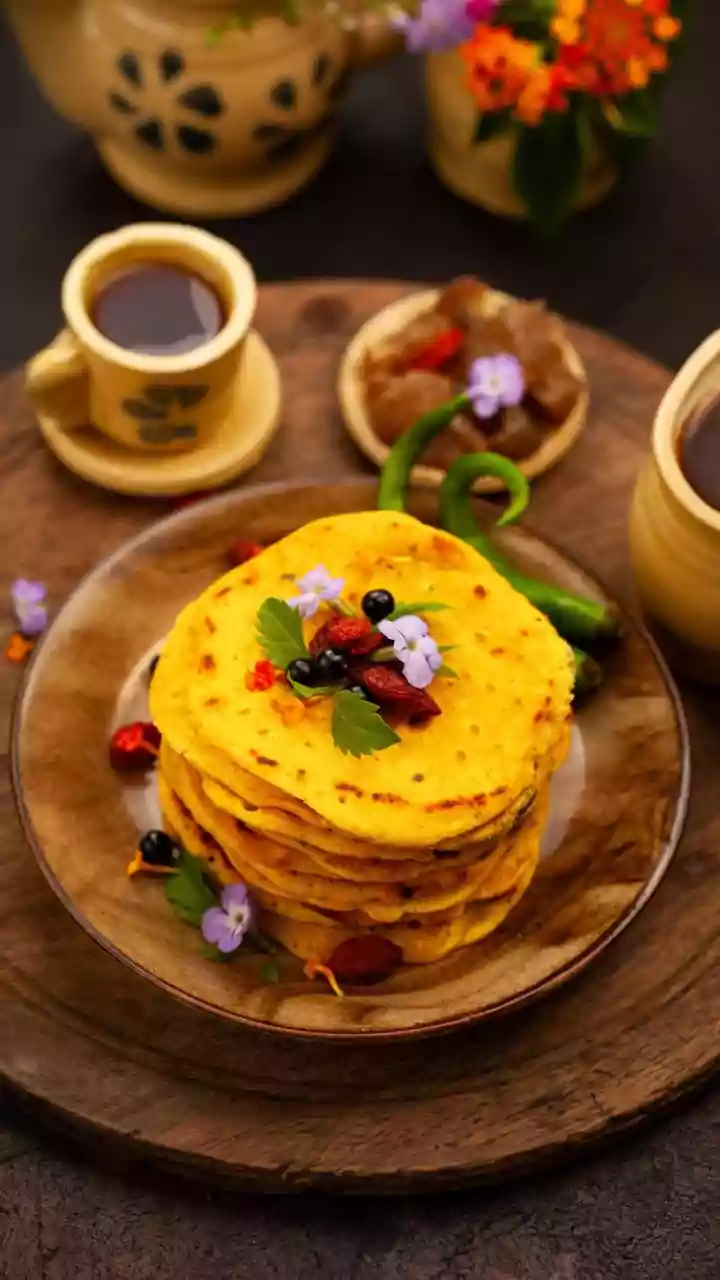
Malpua, a sweet pancake-like dessert, is popular across several states including Bihar, Odisha, and West Bengal, with each region having its own variation. During Sawan and other festivals, these are a customary treat. The batter is typically made from flour, milk, and sometimes mashed bananas or coconut, and flavoured with cardamom or fennel. The small pancakes are fried in ghee until their edges are crisp and the centre is soft, then soaked in sugar syrup. Often served with a topping of rabri (thickened sweet milk), Malpua is a decadent dessert enjoyed during the festive season.
Makhane ki Kheer from Bihar
Makhana, or fox nuts, are a powerhouse of nutrients and a popular fasting ingredient, particularly in Bihar. Makhane ki Kheer is a creamy, delightful dessert perfect for Sawan. The fox nuts are lightly roasted in ghee until crisp, then simmered in milk until it thickens. Sweetened with sugar and flavoured with cardamom and saffron, this kheer is often garnished with slivered almonds and pistachios. It's a dessert that is both healthy and indulgent, offering a comforting warmth during the monsoon evenings.
Vrat Wale Aloo from Punjab
Simple, versatile, and immensely satisfying, Vrat Wale Aloo is a classic fasting dish from Punjab that has found love across India. This is a sattvik preparation, meaning it is made without onions, garlic, or tamasic spices. Boiled potatoes are cubed and gently sautéed in ghee with a simple tempering of cumin seeds, green chillies, and sometimes chopped ginger. Seasoned with sendha namak (rock salt), the only salt permitted during many fasts, this potato dish is the perfect accompaniment for Kuttu ki Puri or Samak rice.
Samak Rice Pulao from Central India
When regular rice is avoided during fasts, Samak rice, also known as barnyard millet, comes to the rescue. In Madhya Pradesh and surrounding regions, it's popularly cooked as a light and fluffy pulao. This gluten-free grain substitute is cooked much like a regular pulao, tempered with cumin and green chillies, and includes fasting-friendly vegetables like potatoes. Peanuts are often added for a pleasant crunch. This dish is not only compliant with vrat rules but is also easy to digest, aligning with the Ayurvedic principle of eating light during the monsoon season.