
The Two Faces of Dietary Iron
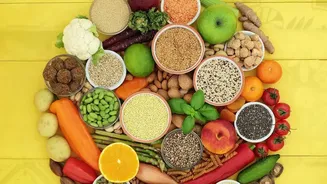
Dietary iron comes in two forms: heme and non-heme. Think of them as two different packages delivering the same essential mineral. Heme iron is found exclusively in animal products like red meat, poultry, and fish. Non-heme iron is found in plant-based
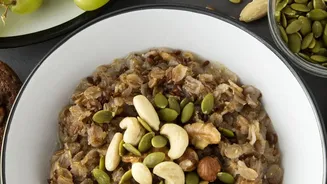
foods such as lentils, beans, spinach, nuts, and fortified cereals. While both are important, your body treats them very differently when it comes to absorption.
Heme Iron: The Power Player
Heme iron is the more efficient of the two. Because it's bound within proteins like hemoglobin and myoglobin, your body can absorb it more readily. Absorption rates for heme iron can be as high as 15% to 35%. This process is also less affected by other foods you eat in the same meal. This is why red meat and seafood are often recommended for quickly boosting iron levels; your body gets a more direct and potent dose.
Non-Heme Iron: The Plant-Based Workhorse
Non-heme iron is far more common in the food supply, making up the bulk of iron intake for many people, especially vegetarians and vegans. However, its absorption rate is much lower and more variable, ranging from 2% to 20%. Unlike heme iron, the absorption of non-heme iron is heavily influenced by a host of other dietary factors, creating a more complex puzzle for your digestive system to solve.
The Absorption Blockers
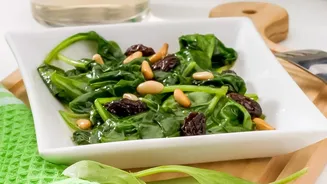
Several common compounds found in a daily diet can hinder the absorption of non-heme iron. Phytates, present in whole grains, legumes, nuts, and seeds, can reduce absorption by 50% or more. Similarly, polyphenols, particularly tannins found in tea and coffee, can inhibit iron uptake by up to 90%. Even healthy foods can interfere; calcium in dairy products is a known inhibitor of both heme and non-heme iron. This explains why the iron in spinach isn't as available as you might think—spinach also contains compounds called oxalates, which block absorption.
Unlocking More Iron with Vitamin C
The good news is that you can significantly boost your body's ability to absorb non-heme iron. The most powerful enhancer is Vitamin C. When eaten at the same meal, Vitamin C captures non-heme iron and converts it into a form that your body can absorb much more easily. This is why pairing iron-rich plant foods with sources of Vitamin C is a classic nutritional strategy. Think of a lentil soup with a squeeze of lemon juice, or a spinach salad with bell peppers and tomatoes. Even a small amount of Vitamin C can make a big difference.
Smart Pairings for Better Health
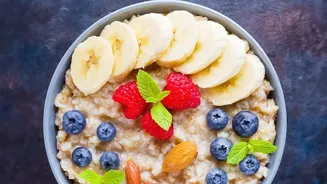
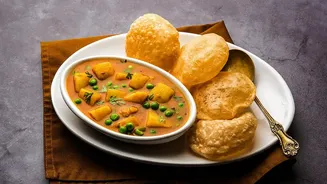
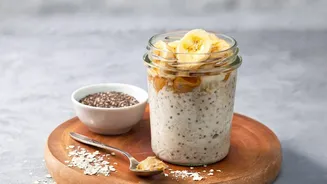
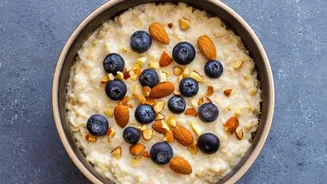
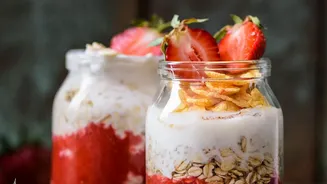
To make the most of the iron in your diet, strategic meal planning is key. Try to avoid drinking tea, coffee, or milk with your main iron-rich meals. Instead, have them between meals. For your plant-based iron sources, always include a Vitamin C-rich food. For example, add strawberries to your morning oatmeal, pair a bean curry with a side of broccoli, or add fresh capsicum to a tofu stir-fry. For meat-eaters, consuming meat alongside plant-based foods can even help boost the absorption of the non-heme iron from the plants in that same meal.