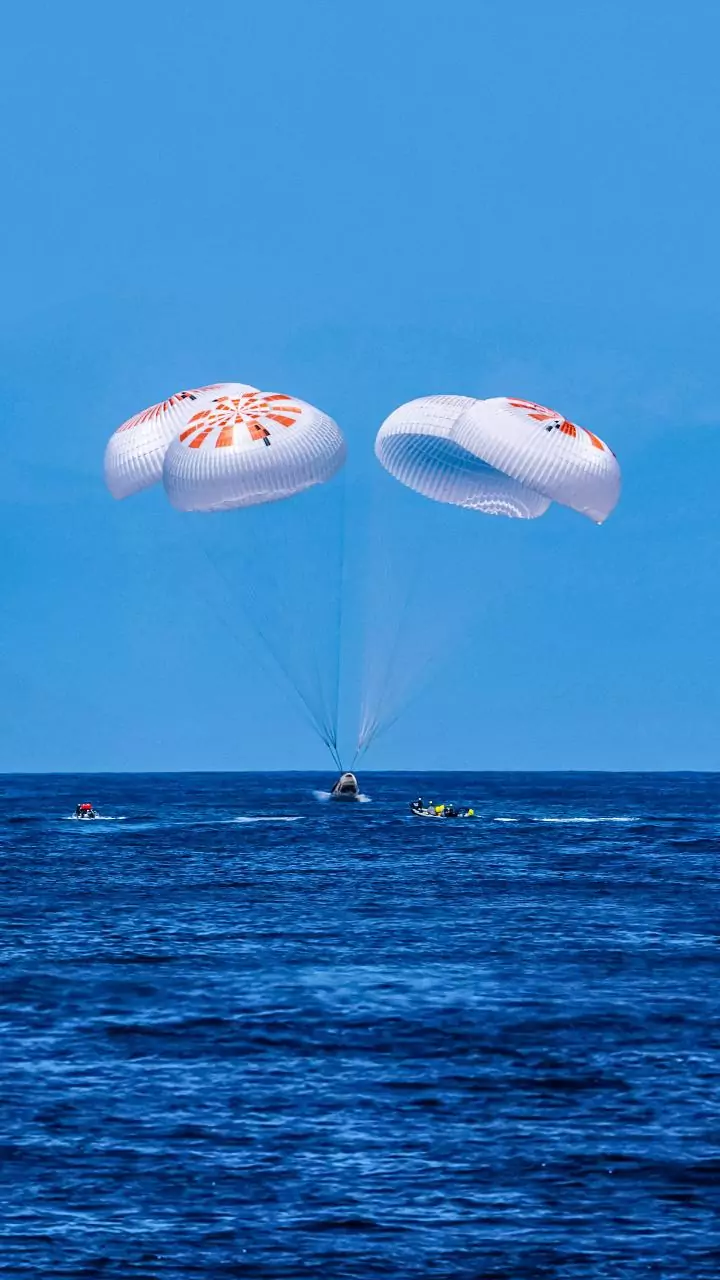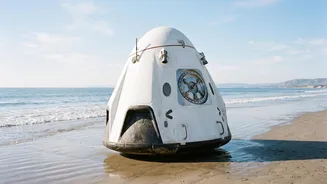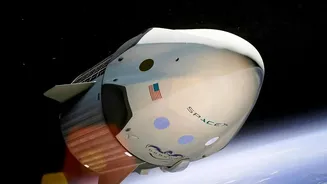







A fiery plunge through the atmosphere followed by a gentle splashdown in the Pacific Ocean marked the end of a critical journey. The SpaceX Dragon capsule has returned, not with astronauts, but with a precious cargo of scientific research.
A Special Delivery From Orbit
After spending
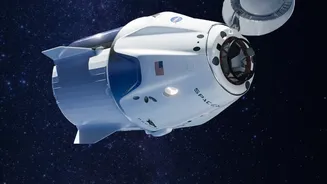
over a month docked at the International Space Station (ISS), the uncrewed SpaceX Dragon spacecraft completed its 35th Commercial Resupply Services (CRS) mission for NASA. The capsule successfully undocked from the ISS on November 20 and made its splashdown off the coast of California on Saturday, November 21. This return trip is a crucial part of the scientific process. While astronauts can conduct many experiments in orbit, some of the most detailed analysis can only happen in ground-based laboratories with specialized equipment. Dragon is currently the only cargo vehicle capable of returning these sensitive materials intact, as other craft burn up on reentry.
What's Inside the Box?
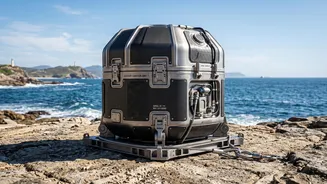
The Dragon capsule was packed with thousands of pounds of valuable scientific cargo. Among the key items are experiments that could lead to significant breakthroughs in human health. This includes frozen tumor organoids that were treated aboard the station, which researchers hope will provide new insights into cancer treatments and personalized medicine. Also returning are 3D-bioprinted blood vessel constructs used to study cardiovascular disease and vascular aging. Beyond medical research, the capsule carried back a failed wrist joint from the station's robotic arm, Canadarm2, for inspection and potential refurbishment, and a specialized lighting system tested for over three years to see how it could improve astronaut sleep and well-being.
The Purpose of Zero Gravity
Conducting these experiments in the microgravity environment of the ISS is essential because it allows scientists to study biological and physical processes in ways that are impossible on Earth. Gravity can mask or alter certain cellular and molecular behaviors. For example, growing 3D models of human brain tissue or studying how antibiotic-resistant bacteria evolve in space provides a clearer picture of their fundamental properties. The research on blood vessel aging is particularly relevant, as the effects of space travel on the body can mimic aspects of the aging process on Earth. These unique conditions make the space station a one-of-a-kind laboratory for advancing science.
A Race Against Time on the Ground
The splashdown marks the beginning of another critical phase: getting the samples to scientists as quickly as possible. A recovery ship was on standby to retrieve the Dragon capsule from the ocean. Once aboard, a team of technicians immediately begins the process of removing the time-sensitive scientific materials. These samples are then loaded onto a helicopter and flown to shore, where they are handed off to research teams and transported to labs across the country. For many biological experiments, the clock is ticking to analyze the samples before Earth's gravity begins to alter them, ensuring the data gathered is as pure as possible.
From Space Discoveries to Earthly Solutions
The ultimate goal of this orbiting research is to bring tangible benefits back to humanity. The study of frozen microbial samples from the station could help scientists better understand how antibiotic-resistant bacteria survive and adapt, a major public health concern. Likewise, research into how crop diseases develop in microgravity could lead to more disease-resistant plants on Earth, bolstering food security. Every sample returned, from protein crystals for drug development to organoids for cancer research, represents a potential leap forward in medicine, technology, and our fundamental understanding of the world. The CRS-35 mission is another vital step in this continuous cycle of discovery.