









The Engines of Our Digital Lives
Every time you stream a movie, join a video call, or ask an AI chatbot a question, you are using a data centre. These facilities are the physical backbone of the internet, housing thousands of computer servers that store, process, and distribute the immense
amount of information that powers our modern economy and daily activities. For years, their energy consumption grew steadily but manageably. However, the explosive growth of artificial intelligence is fundamentally changing this equation. AI workloads, both for training new models and running them for users (a process called 'inference'), are incredibly power-intensive, requiring far more electricity than traditional computing tasks.
The AI and Crypto Effect
Artificial intelligence is the single biggest driver behind the projected surge in energy demand. Training a single large AI model can consume as much electricity as hundreds of homes use in a year. Beyond the initial training, every query sent to an AI service requires significant computational power. This relentless demand comes from the specialised, high-performance graphics processing units (GPUs) that are the workhorses of AI. These chips consume vastly more power than standard server processors. Compounding the issue are other digital trends like the continued growth of cloud computing and, to a lesser extent, cryptocurrency mining, all of which rely on massive, always-on data centres.
A Growing Strain on Power Grids
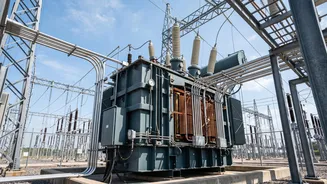
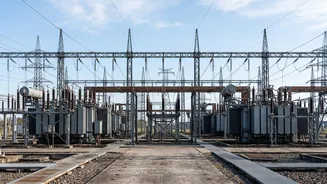
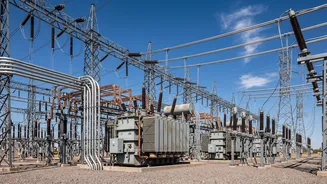
This dramatic increase in electricity demand is not just an abstract number; it poses a tangible challenge to power grids around the world. In some regions with high concentrations of data centres, such as parts of the United States and China, these facilities are already responsible for a substantial share of electricity consumption growth. The IEA warns that this rapid expansion is putting additional pressure on electricity networks and the supply chains for essential equipment like transformers and cables. In the US and China, the world's two largest data centre markets, much of this new demand is expected to be met by fossil fuels—natural gas and coal, respectively—which would lead to a significant rise in carbon emissions.
The Race for Greener Data
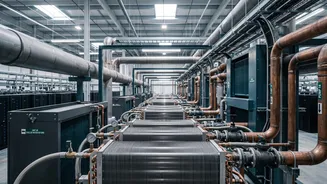
The technology industry is not sitting still. Faced with rising energy costs and sustainability pressures, a major push is underway to make data centres more efficient. Cooling, which can account for up to 40% of a data centre's energy use, is a key area of innovation, with a shift from traditional air conditioning to more efficient liquid cooling technologies. Companies are also making huge investments in renewable energy, becoming the world's biggest corporate buyers of clean power. In Europe, the goal is for renewables to supply about 70% of data centre electricity needs by 2030. Furthermore, AI itself is being used to optimise energy use within data centres and across power grids, potentially offsetting some of its own consumption. The European Union is also introducing rating schemes to increase transparency and promote sustainability in the sector.