




The Green Dream Meets a Busy Schedule
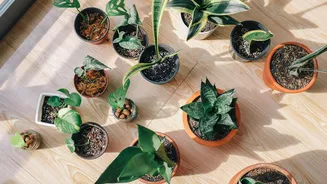
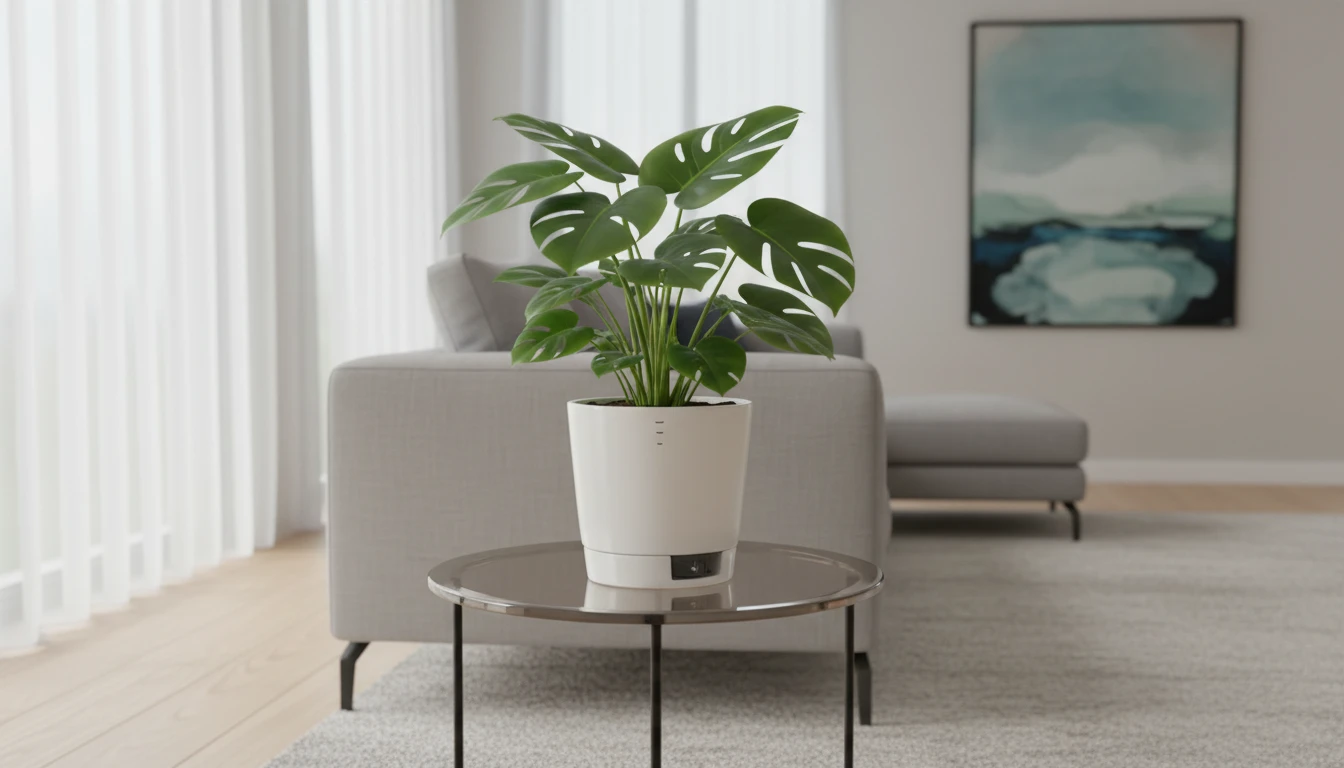
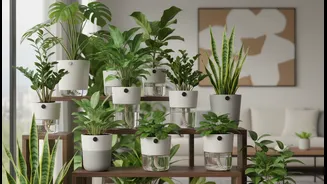
You see the pictures online: shelves overflowing with vibrant monsteras, cascading pothos, and thriving ferns. The desire for an urban jungle is strong, offering a touch of nature and a sense of calm in a bustling world. But the reality for many busy
professionals is a collection of sad, neglected plants. The cycle is familiar: you forget to water for a week, then overcompensate, leading to stressed plants. This boom-and-bust watering routine can weaken plants and make them susceptible to problems. The good news is that maintaining a high-density plant collection doesn't have to be another chore on your endless to-do list. The solution lies in working smarter, not harder, by using a simple scientific principle to create a largely automated watering system.
The Science of 'Set It and Forget It' Watering
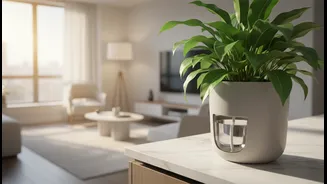
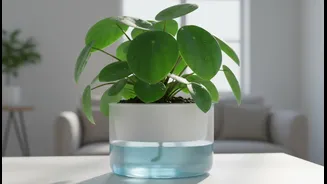
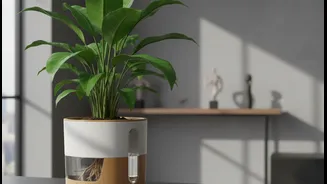
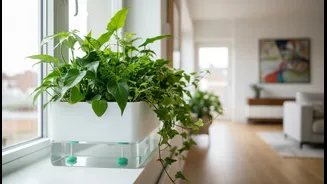
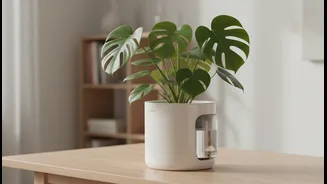
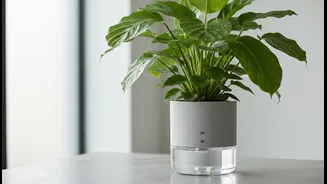
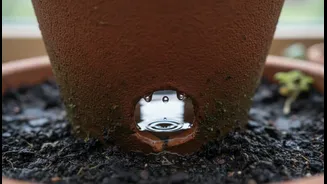
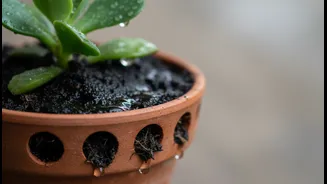
The magic behind these systems is capillary action, the same force that allows a paper towel to soak up a spill or a tree to pull water from its roots to its highest leaves. In a self-watering setup, this principle is harnessed to move water from a central reservoir to your plants' soil. This is typically achieved in two ways: with individual wicking pots that have a cord running from the water into the soil, or with a large capillary mat. A capillary mat is a special absorbent fabric placed in a waterproof tray. Your pots sit on top of the moist mat, and as the soil dries out, it wicks moisture up through the drainage holes. The plant essentially takes a drink whenever it's thirsty, ensuring it gets a consistent supply of water without ever being waterlogged.
Building Your Capillary Mat Array
Creating your own self-watering array for a dense collection of plants is surprisingly simple. You'll need a large, waterproof tray to act as a reservoir, a roll of capillary matting, and your collection of potted plants. First, cut the matting to fit the bottom of your tray. Place your pots directly on top of the mat, ensuring the drainage holes at the bottom of each pot make good contact with the fabric. For an even better connection, you can insert a small piece of wick or cotton rope through a drainage hole so it touches both the soil and the mat. To fill the reservoir, simply pour water into the tray until the mat is fully saturated. The mat will hold a significant amount of water and distribute it evenly. For longer periods away, you can even connect the tray mat to a larger external reservoir (like a bucket of water) using another strip of matting as a wick.
More Green, Less Stress
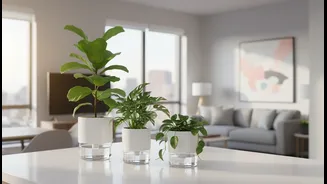
The benefits for a time-strapped plant lover are immense. The most obvious is the reduced labor; instead of watering each plant individually, you just have to top up one central reservoir every week or two. This system also promotes healthier plants. By watering from the bottom up, it encourages strong root development as roots grow downwards toward the consistent moisture source. It nearly eliminates the risk of overwatering and underwatering, the two biggest killers of houseplants, because the plant only absorbs the water it needs. This consistent hydration reduces plant stress, leading to more vibrant foliage and robust growth, and gives you the freedom to go on holiday without worrying about returning to a botanical graveyard.
Best Plants and Smart Practices
While this system is versatile, it works best for plants that prefer consistently moist soil. Tropical plants like peace lilies, ferns, calatheas, and most herbs are excellent candidates. Plants that need to dry out completely between waterings, such as succulents, cacti, and ZZ plants, are generally not suitable for this method. To ensure long-term success, a few maintenance tips are key. Every few months, it's a good idea to flush the pots from the top with water to prevent the buildup of mineral salts from fertilizers. Also, check your reservoir and mat occasionally for algae growth, especially if they are exposed to light; using an opaque tray can help prevent this. By choosing the right plants and performing minimal upkeep, your self-watering array will keep your indoor jungle lush and thriving with very little intervention.