
A neutral palette is the secret to a home that feels both eternally stylish and deeply calming. More than just beige, it is a sophisticated canvas. Here’s how to unlock its full potential for a truly serene living space.
1. Layer a Symphony of Textures
The single most important rule
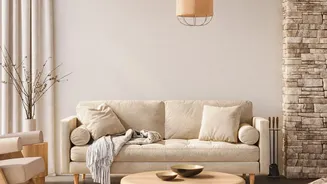
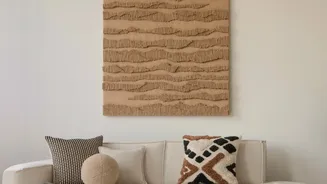
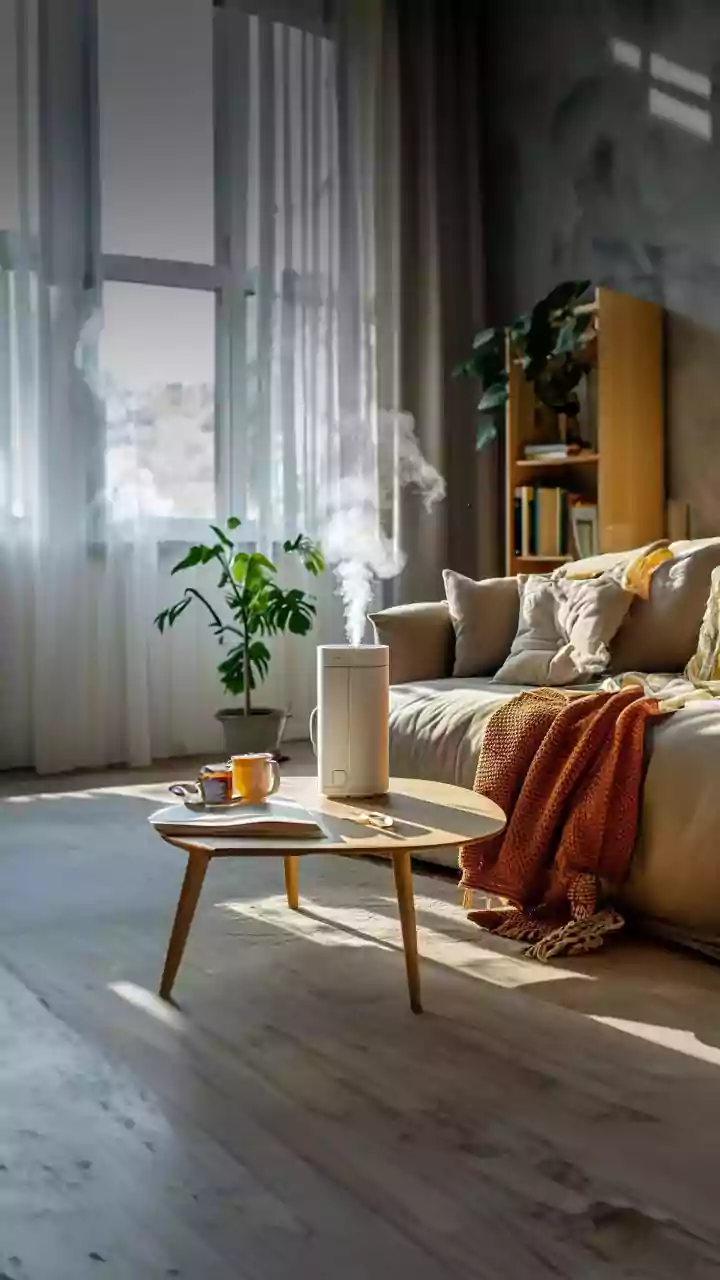
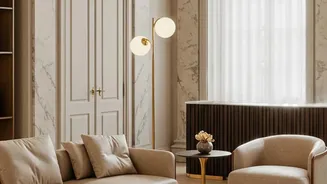
for decorating with neutrals is to introduce a rich variety of textures. When colour is subtle, texture does the work of creating visual interest and warmth. A neutral room can feel flat if all surfaces are the same, but layering different materials makes it feel dimensional and inviting. Imagine a living room with a soft wool rug underfoot, a sofa upholstered in a gentle linen or bouclé, velvet cushions, and a chunky knit throw draped over the arm. This combination of soft, rough, smooth, and woven surfaces catches the light in different ways, adding depth and a tactile quality that begs you to relax and get comfortable.
2. Embrace Natural Materials and Light
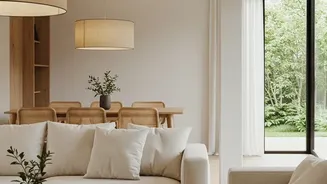
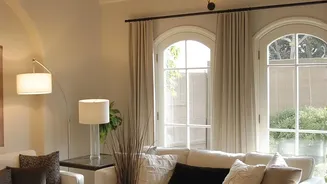
Neutral palettes have a natural affinity for organic materials. Wood, stone, rattan, and ceramics introduce subtle variations in tone and form that prevent a space from feeling sterile. Think of a warm oak coffee table, a stone fireplace surround, or woven baskets used for storage. These elements ground the space and create a stronger connection to the outdoors. Maximising natural light is also crucial. Neutral colours come alive in the sun, revealing their complex undertones. Keep window treatments simple with sheer linen curtains to allow daylight to flood the room, making it feel more airy and expansive. The interplay between light and natural materials adds a dynamic, ever-changing quality to the room.
3. Play with Tonal Variation
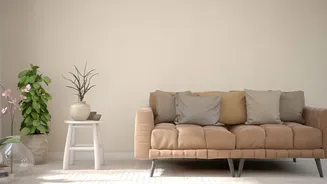
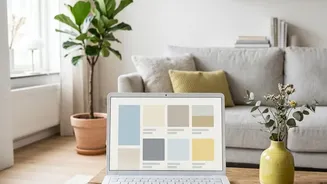
A successful neutral scheme is rarely about a single colour. Instead, it involves layering different shades and tones from the same colour family to create a sophisticated, monochromatic look. For example, instead of just grey, use a combination of slate, dove grey, and soft stone hues together. You could pair cream walls with furniture in deeper shades of beige and taupe. This tone-on-tone approach creates a cohesive and harmonious feel while adding the depth needed to keep the eye engaged. It is a subtle art, but mastering it is the key to a room that feels professionally designed and thoughtfully composed, rather than simply painted in a safe colour.
4. Introduce a Touch of Black for Contrast
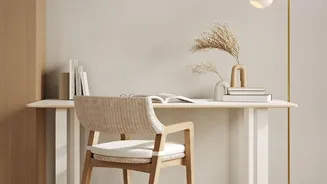
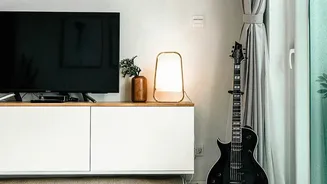
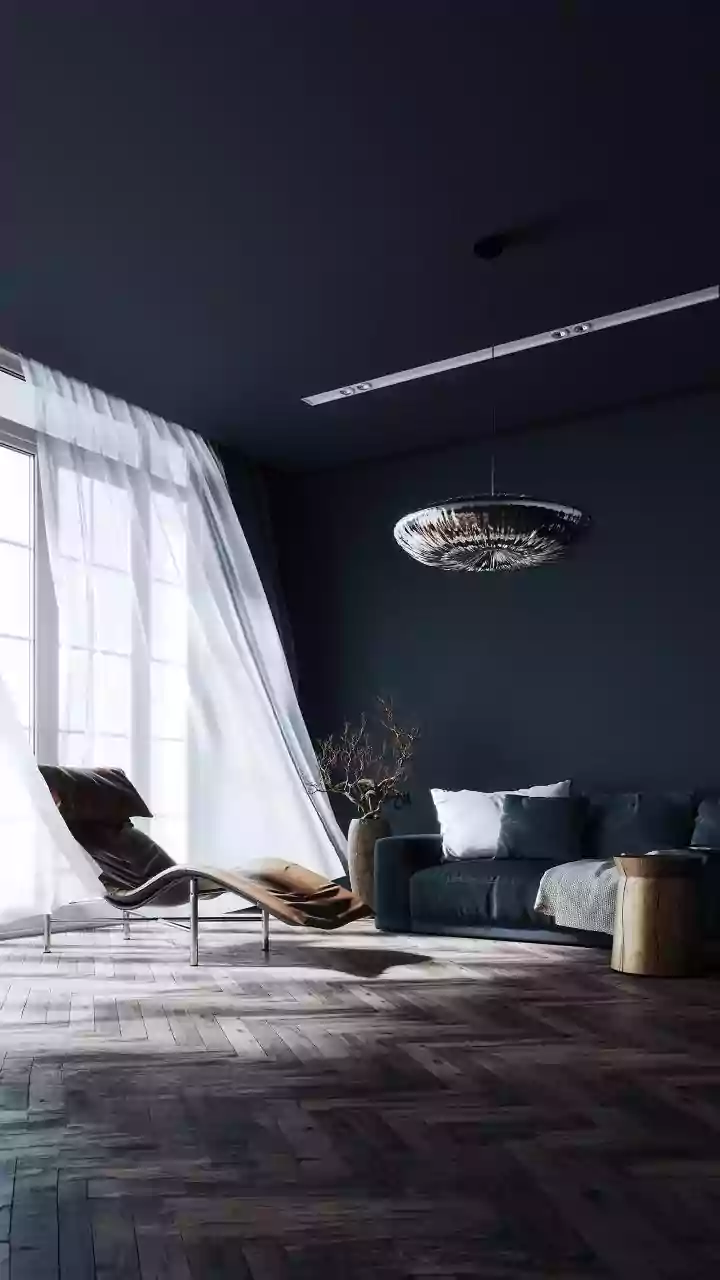
Every calm space needs a grounding element, and in a neutral room, a hint of black or charcoal can serve this purpose perfectly. Small, deliberate touches of black provide a crisp punctuation mark that helps to define the space and make the surrounding neutrals appear richer and more intentional. This contrast prevents the room from feeling washed out. You can introduce it through the slender legs of a chair, a minimalist picture frame, a sculptural floor lamp, or dark metal hardware on cabinets. The key is to use it sparingly. You are not creating a high-contrast scheme, but rather adding a small, sharp detail that anchors the softness of the palette.
5. Add Warmth with Metallic Accents
To add a final layer of sophistication and warmth, incorporate metallic finishes. Far from being flashy, metals like brass, bronze, or even aged chrome can act as jewellery for the room. A brass pendant light over a dining table or warm-toned cabinet handles in a kitchen can inject a subtle glow and a touch of elegance without disrupting the overall sense of calm. Reflective surfaces also help to bounce light around the room, enhancing the airy feel. You can also achieve this with a well-placed mirror, which not only adds a decorative touch but also creates the illusion of more space.