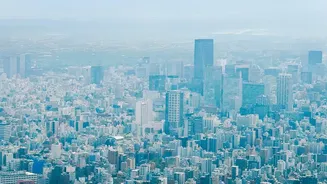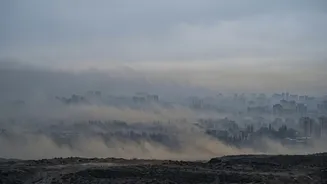





When thick smog blankets the city, we retreat indoors, assuming we’re safe. But our homes are not impenetrable fortresses. Outdoor pollutants are stealthy invaders, finding ways inside and compromising the air we breathe.
The Myth of a Sealed Home
The first thing to understand
is that no home is perfectly airtight. Even the most modern buildings have pathways for outside air to get in. This process, known as infiltration, happens through countless tiny, often invisible, openings. These include cracks in walls, gaps around window and door frames, and entry points for pipes and wiring. While newer homes may be more tightly constructed, older buildings are particularly vulnerable to these leaks. This constant, subtle exchange of air means that when outdoor air quality is poor, your indoor air quality is also at risk.
The Main Entry Points for Smog
Outdoor pollutants use three main routes to enter your home. The most significant is infiltration, where air is pulled through cracks and gaps in the building's structure. Another is natural ventilation—the air that comes in through deliberately opened windows and doors. While ventilating is crucial for flushing out indoor-generated pollutants, it becomes a problem when the outside air is heavy with smog. The third pathway is mechanical ventilation, which includes HVAC systems, kitchen chimneys, and bathroom exhaust fans. While some systems filter incoming air, many simply pull outdoor air—and its pollutants—directly inside.
The Uninvited Guests: PM2.5 and Ozone
The most dangerous components of smog are the ones that travel indoors most easily. Chief among them is fine particulate matter, or PM2.5. These microscopic particles, less than 2.5 micrometres in diameter, come from vehicle exhaust, industrial emissions, and crop burning. Because they are so small, they can penetrate deep into the lungs and even enter the bloodstream, posing significant health risks. Another major intruder is ground-level ozone (O3), a key component of smog. It can also infiltrate homes and irritate the respiratory system, especially for those with asthma or allergies.
The Hidden Health Risks
Constant exposure to indoor air pollution, even at levels lower than outside, can have serious health consequences. In the short term, it can cause eye and throat irritation, coughing, headaches, and worsening asthma symptoms. Long-term exposure is linked to more severe conditions, including chronic respiratory diseases like bronchitis, reduced lung function, and cardiovascular problems. Children and the elderly are particularly vulnerable to these effects. Studies show that a significant portion of our total exposure to outdoor pollutants actually occurs while we are indoors, simply because that is where we spend the vast majority of our time.
Your First Line of Defence: Seal the Leaks
The most effective and affordable first step is to reduce infiltration. This means sealing the gaps that let polluted air sneak in. You can use weatherstripping foam or rubber tape around window and door frames. Check for and seal gaps under doors, a common and surprisingly large entry point for outside air. Also, block any unused exhaust fan openings or gaps around pipes that lead outside. Taking the time to properly seal your home can dramatically lower the amount of outdoor pollution that gets inside, doing more than almost any other single action.
The Role of Air Purifiers
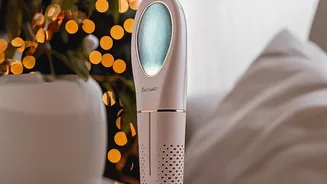
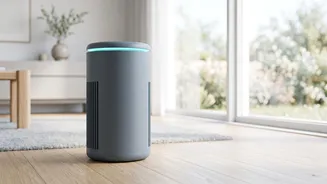
After sealing, air purification is your next critical layer of defence. A highquality Air Purifier with a HighEfficiency Particulate Air (HEPA) filter is essential. HEPA filters are certified to capture 99.97% of particles that are 0.3 microns in size, making them extremely effective against PM2.5. When used correctly in a sealed room, a properly sized purifier can reduce indoor particulate matter concentrations by over 75%. For gaseous pollutants like nitrogen dioxide and some VOCs, look for purifiers that also include an activated carbon filter. On days with severe pollution, running purifiers continuously in occupied rooms with the doors closed offers the best protection.