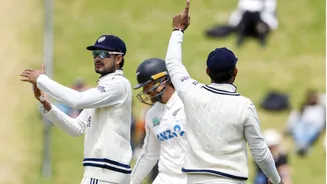

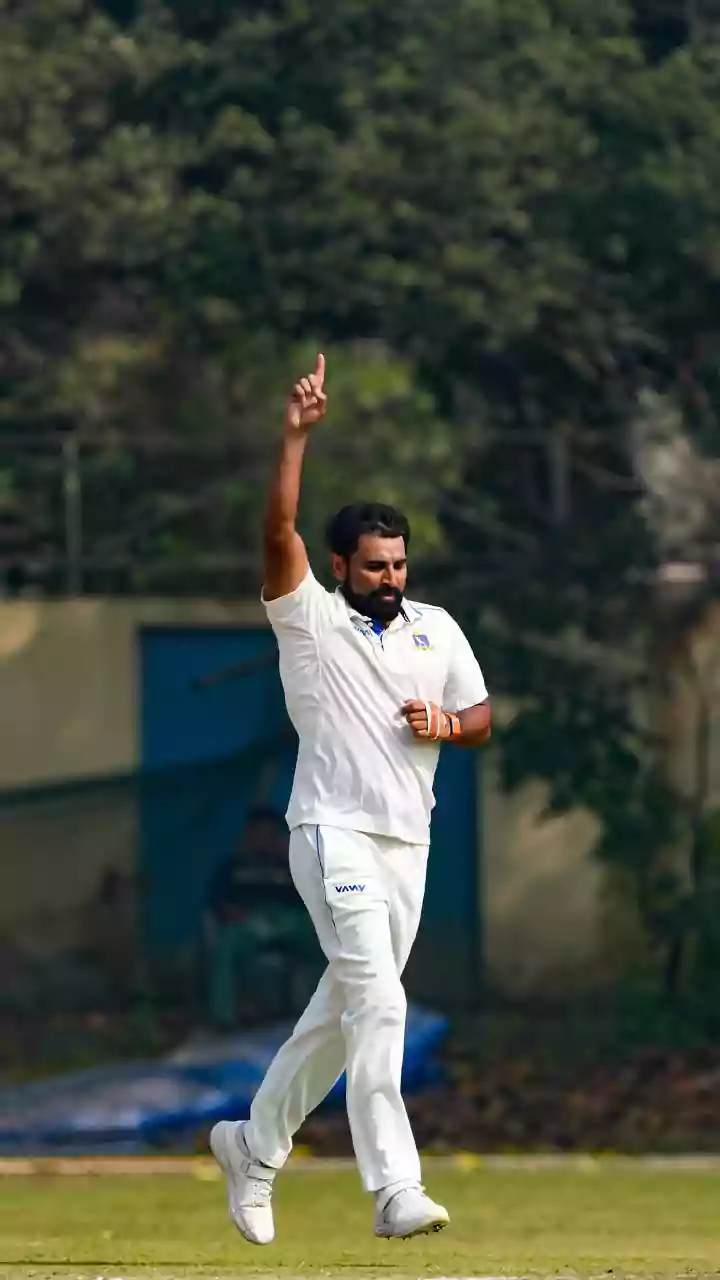


The India-Pakistan cricket rivalry, always a cauldron of passion, has recently seen on-field behaviour spill into controversial territory. Now, celebrated former spinner Harbhajan Singh has issued a stern call for action.
A Veteran's Plea for Decorum
Speaking at a recent event, former
India off-spinner Harbhajan Singh strongly condemned the deteriorating player conduct in India-Pakistan matches, labelling recent incidents as 'shameful' and urging the International Cricket Council (ICC) and national boards to intervene. His comments were prompted by a series of heated altercations during two recent lower-level, yet high-stakes, encounters: the Under-19 Asia Cup final on November 14 and the Asia Cup Rising Stars match between the 'A' teams on November 22. Harbhajan argued that the overly aggressive reactions and verbal volleys from both sides are setting a poor example for the next generation of cricketers and fans. 'You should treat sports as sports,' Harbhajan stated, acknowledging that while some 'masala' or spice is part of the game, the line into disrespect is being crossed too frequently.
The Incidents Sparking Concern
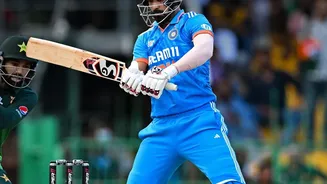
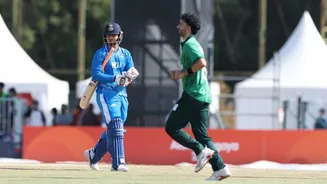
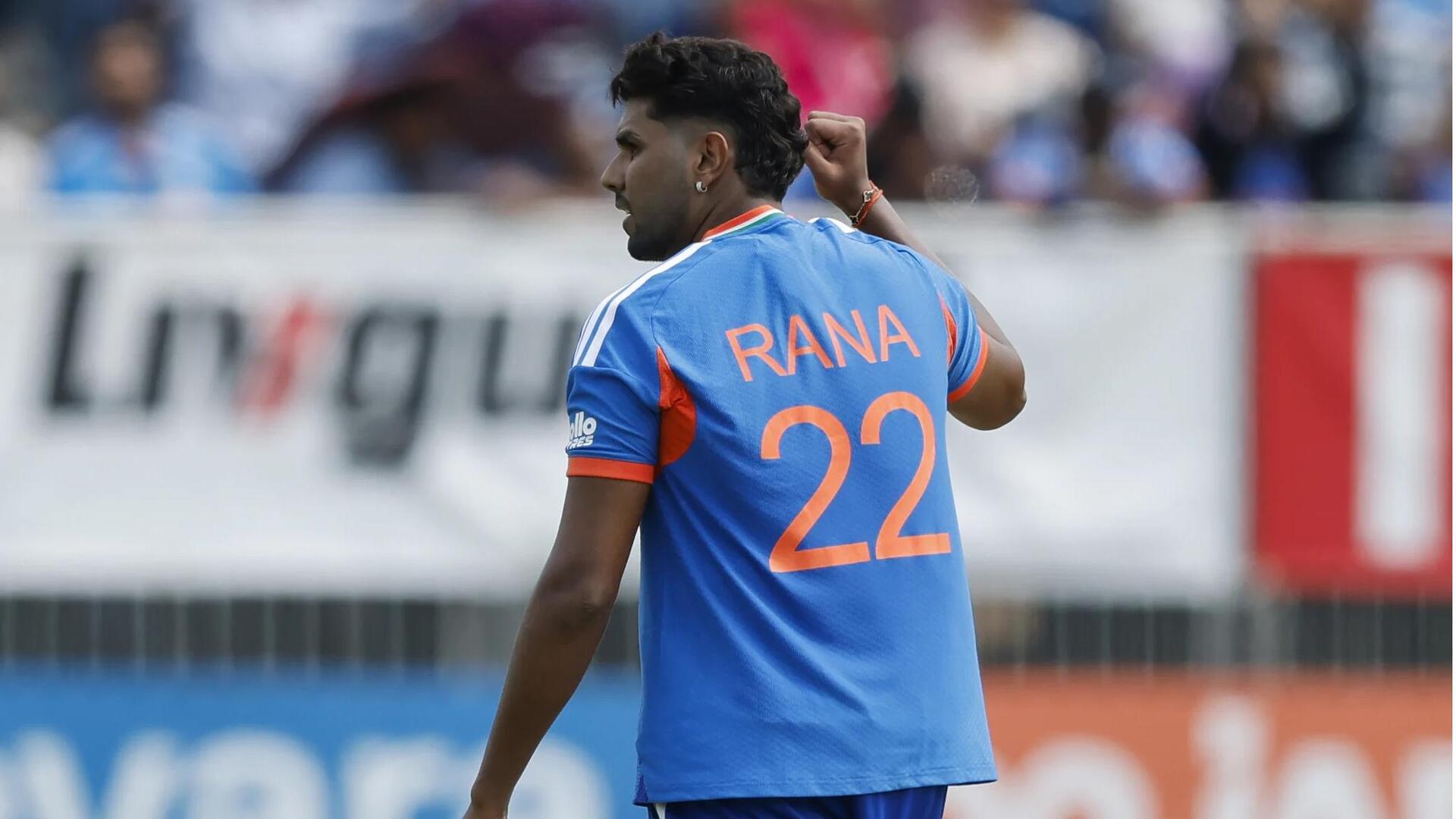
Harbhajan's call to action was not made in a vacuum. The Under-19 Asia Cup final, which India won in a thriller, was marred by what were described as 'obscene gestures' and overly aggressive celebrations from the Indian side, leading to widespread criticism. Just over a week later, the 'A' team match in Doha was even more contentious. It began with the respective captains not shaking hands at the toss and involved a brief controversy over the toss call itself. On the field, India 'A' pacer Harshit Rana was involved in multiple verbal spats with Pakistani batsmen, complete with animated send-offs after dismissals. When Rana was later dismissed, he received a verbal volley in return from Pakistan’s players. These events follow a pattern of escalating tensions that some observers feel is tainting the spirit of the contest.
Where is the Line Between Passion and Aggression?
An India-Pakistan match is unlike any other fixture in world cricket. The historical context and immense pressure from millions of fans on both sides create an unparalleled atmosphere of intensity. Players are expected to show fight, passion, and an unyielding desire to win. However, the recent incidents at the U-19 and A-team levels suggest a worrying trend where young players are mistaking aggression for abuse and passion for provocation. The 'spirit of cricket,' a concept the ICC aims to uphold, is built on respect for the opposition, the umpires, and the game itself. When post-wicket celebrations turn into personal taunts and on-field chatter becomes abusive, it crosses a line that damages the sport's image. Harbhajan, himself a famously aggressive competitor in his playing days, is now arguing that the governing bodies must step in to redefine that line for a new generation.
What Can the ICC Do?
The ICC already has a comprehensive Code of Conduct designed to regulate player behaviour. The code categorises offenses into different levels, with penalties ranging from fines to match suspensions. Level 1 offenses include abuse of equipment, showing dissent at an umpire’s decision, and using obscene or insulting language. More serious incidents, such as inappropriate physical contact or charging at an umpire, fall under Level 2. Harbhajan's plea for the ICC 'to step in' suggests a belief that the current deterrents are not sufficient or are not being enforced strictly enough, particularly in the emotionally charged environment of an India-Pakistan game. His call, echoed by other former players like Dilip Vengsarkar, is for the authorities to be more proactive in educating young players and penalising behaviour that brings the game into disrepute.