




Beyond the Tourist Trail
Forget the frantic race to book the world's top 50 restaurants. The real magic of culinary travel lies in what some call 'hyper-local' exploration. This isn’t about chasing Michelin stars; it’s about discovering the soul of a city through the food its
residents eat every day. It means venturing beyond the main tourist drags into the neighbourhoods where life unfolds. The goal is to find that tiny, family-owned restaurant, the bustling street food cart, or the neighbourhood cafe you would have otherwise missed. This is the difference between simply eating in a city and truly experiencing it. While a 'gastronomy vacation' might focus on famous, high-end dining, neighbourhood food exploration is about authenticity and connection.
The Flavour of Authenticity
Why does this approach matter so much? Because food is a universal language and a direct line to a region's culture. Each local dish tells a story about a place's history, agriculture, and traditions. When you eat where the locals eat, you get a taste of cuisine that hasn't been toned down for tourist palates. This immersive experience fosters a deeper appreciation for diverse cultures. Furthermore, by spending your money at smaller, locally-owned eateries, you are directly supporting the community and contributing to the preservation of its culinary heritage. It transforms you from a passive observer into an active participant in the city's cultural life.
Your Culinary Compass
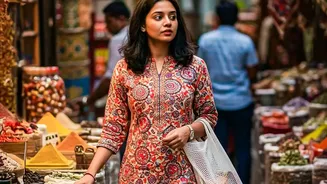
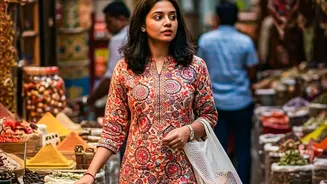
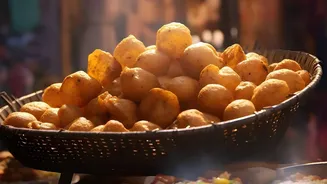
Finding these hidden gems is easier than you think, but it requires a shift in mindset. Start by doing a little research on local delicacies and seasonal dishes before you go. One of the best strategies is to simply ask locals for their personal recommendations. Don't ask your hotel concierge 'Where's a good place for tourists?'. Instead, ask a shopkeeper, a taxi driver, or someone you meet at a market: 'Where do you love to eat in your neighbourhood?'. Another tell-tale sign is a queue; if you see a line of locals waiting for food, it’s almost certainly worth the wait. Exploring local markets is another fantastic way to see, smell, and sample what the city is all about, from fresh produce to street food snacks. If you're looking for a more structured approach, a guided food tour at the start of your trip can be invaluable, providing you with a curated list of trusted spots for the rest of your stay.
A Plate at a Time
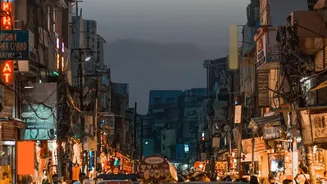
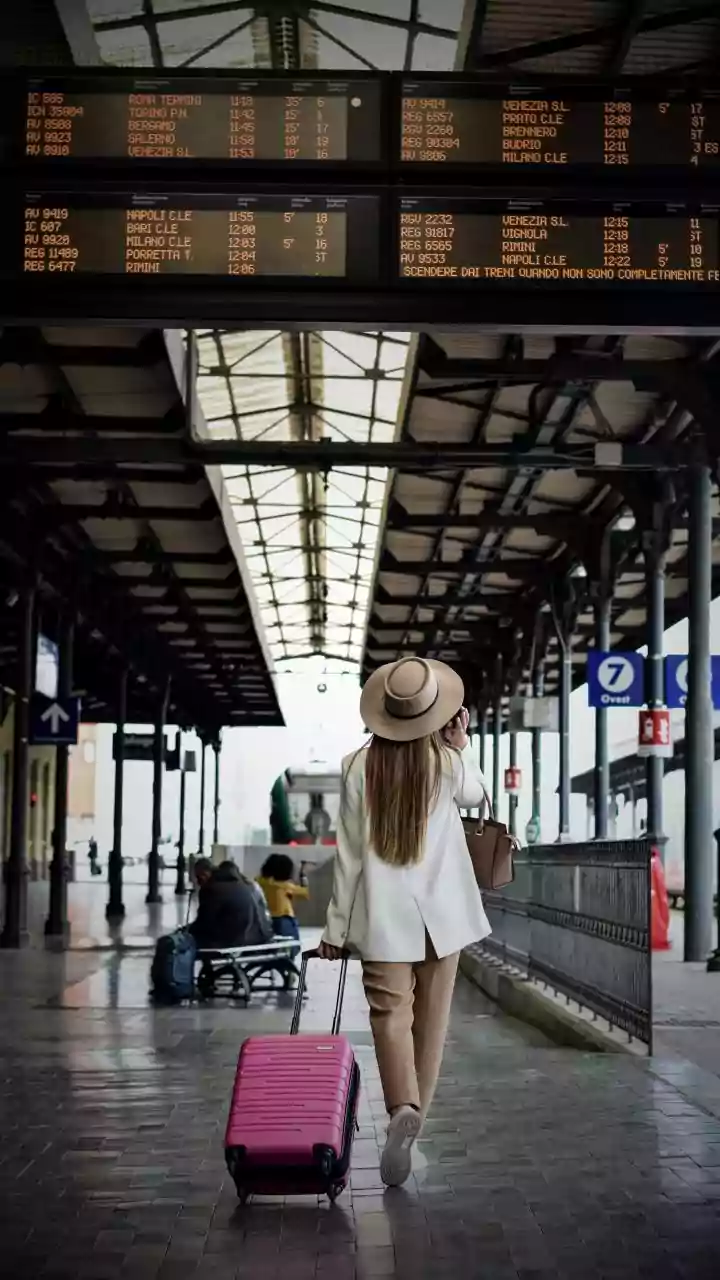
Think of the gallis of Old Delhi, overflowing with vendors perfecting a single dish for generations. Picture the neighbourhood trattorias in Rome, where the menu is handwritten and based on what was fresh at the market that morning. Or imagine the bustling canteens of Bangkok, where office workers and families gather for a quick, flavourful lunch. These are not just places to eat; they are cornerstones of community. By pulling up a stool at a street-side stall or finding a table in a crowded local eatery, you do more than just have a meal. You share a space and an experience with residents, breaking down the invisible barrier that so often separates tourists from locals. This simple act turns a standard vacation into a series of meaningful connections.