




The Spectacle of Teej Festival
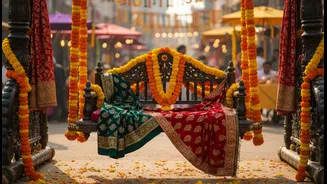
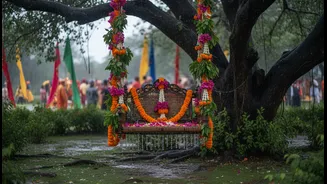
The single greatest cultural upgrade to a monsoon visit is timing it with the Teej festival. In 2026, the main public festivities for Hariyali Teej are set for Sunday, July 27th, with another key date being August 15th. This festival, celebrating the monsoon and
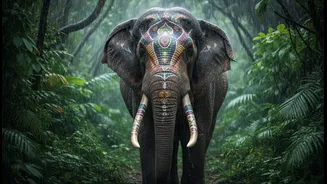
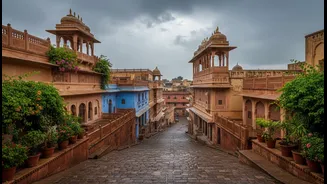
marital bliss, transforms the Pink City. For visitors, the highlight is the grand procession from the City Palace, featuring a gilded palanquin carrying the idol of Teej Mata, escorted by decorated elephants, folk dancers, and musicians. The streets of the old city, particularly Tripolia Bazaar, come alive with hundreds of women in green and gold lehengas, and the air fills with the sound of shehnai. It is a deeply-rooted cultural event that shows a side of Jaipur many tourists miss. To truly soak it in, consider arriving the day before, known as Sinjara, when women apply mehndi and festive preparations begin.
A Culinary Journey for a Rainy Day
The arrival of rain awakens a specific set of culinary cravings, and Jaipur’s street food scene delivers spectacularly. This isn't just about finding a snack; it's a cultural activity in itself. Vendors across the city offer crispy hot pakodas, spicy mirchi bada, and the ever-popular pyaz kachori, which taste even better during a downpour. Don't miss out on a streetside bhutta (roasted corn on the cob), spiced with lemon and salt, a simple but essential monsoon pleasure. For a sweet, uniquely Rajasthani treat, this is the season for Ghewar, a disc-shaped honeycomb dessert. Many locals also seek out doodh-jalebi, where hot, crispy jalebis are paired with warm milk, a perfect comfort food for a cool, rainy evening. These dishes are more than just food; they are a beloved part of the monsoon experience in the city.
The City in Bloom: Revived Gardens and Forts
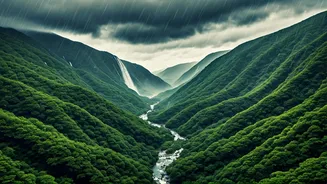
While Jaipur’s forts are magnificent year-round, the monsoon gives them a fairytale quality. The rugged Aravalli hills that cradle the city turn a lush emerald green, creating a stunning contrast with the weathered stone of Amer, Jaigarh, and Nahargarh forts. Low-hanging clouds and mist often wrap around the ramparts, offering dramatic, romantic views of the city below. The rain also revitalises the city’s gardens. Places like Sisodia Rani Ka Bagh, a terraced garden built for a queen, feel especially alive. Its fountains and water channels, designed to work with natural water flow, are at their best during this season, and its murals depicting scenes of romance seem to glow after a fresh shower. Even the famous Jal Mahal, the Water Palace, looks more majestic as the waters of Man Sagar Lake rise to meet it.
An Indoor Culture Fix: Art and Workshops
A rainy afternoon is the perfect excuse to explore Jaipur’s burgeoning indoor cultural scene. The city is a hub for traditional arts and crafts, and many centres offer hands-on workshops where you can escape the weather and immerse yourself in creativity. You can find sessions on everything from blue pottery and block printing to Meenakari jewellery making. Beyond workshops, new cultural spaces are providing platforms for contemporary art. The Jaipur Centre for Art (JCA), located within the City Palace complex, hosts film screenings and art exhibitions. For summer 2026, an exhibition called 'Salt Lines' and a large-scale film programme are scheduled, offering a modern counterpoint to the city's ancient heritage. These venues allow you to connect with both the historical and the living, breathing culture of Jaipur’s artistic community.