


A Strategic Shift in the Skies
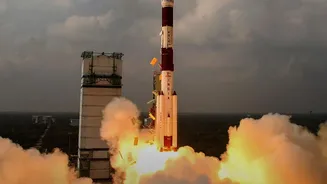
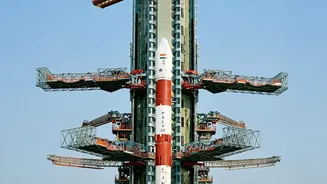
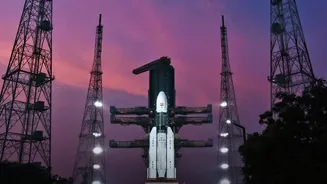
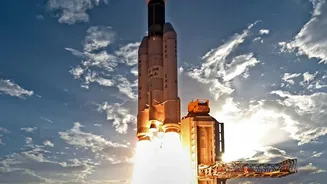
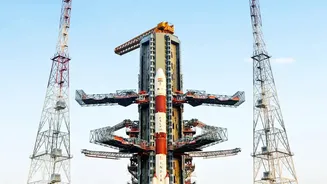
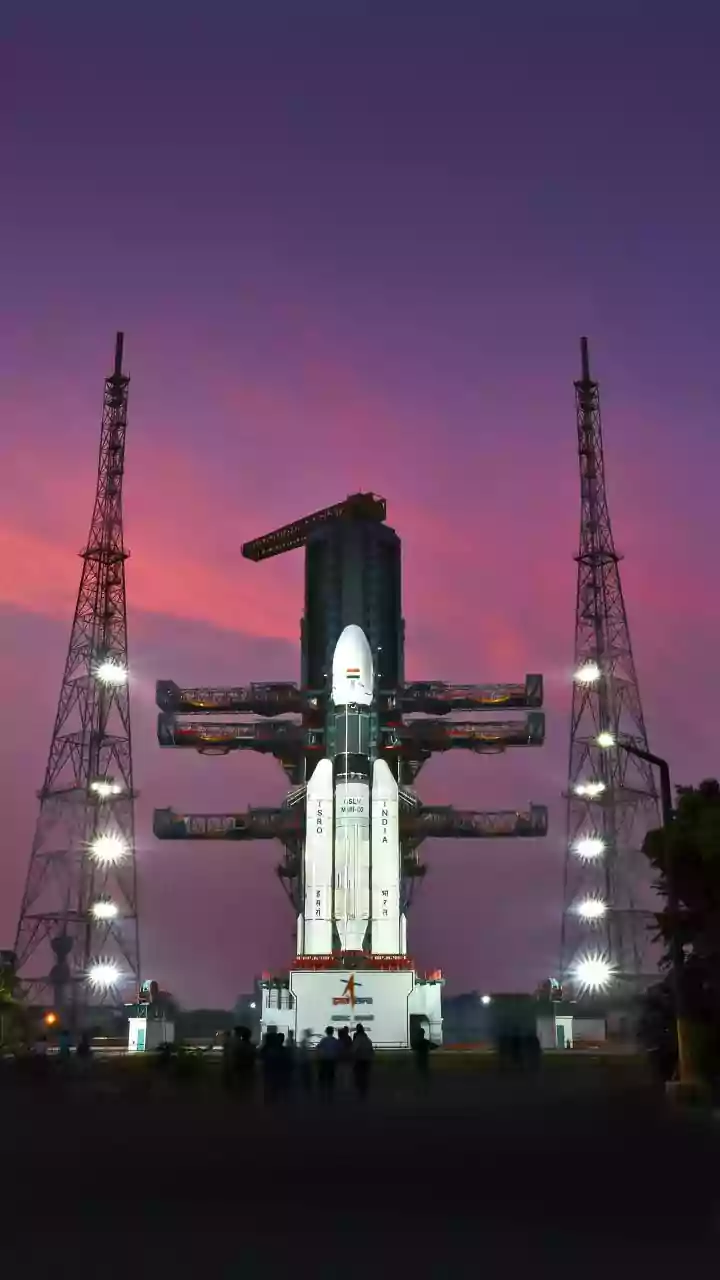
For decades, India's space program was synonymous with ISRO. The agency built the rockets, launched the satellites, and single-handedly carried the nation's celestial ambitions. This state-led model achieved remarkable feats, from cost-effective satellite launches
to landmark missions to the Moon and Mars. However, a pivotal change began in 2020 when the government opened the space sector to private companies, a move formalized by the Indian Space Policy 2023. The goal is no longer just for private firms to be suppliers of components, but to become end-to-end players who build, launch, and operate their own space systems. This policy allows ISRO to pivot its focus towards advanced research and development, deep-space exploration, and national security missions, while private industry drives the commercial expansion.
The New Gatekeepers: IN-SPACe and NSIL
To orchestrate this new ecosystem, the government established two key entities. The first, NewSpace India Limited (NSIL), acts as the commercial arm of ISRO. Its mandate is to commercialize ISRO's mature technologies, from rockets to satellites, and transition from a supply-driven approach to a demand-driven one, aggregating user requirements. The second, and perhaps more crucial for new players, is the Indian National Space Promotion and Authorisation Centre (IN-SPACe). IN-SPACe functions as an autonomous single-window agency to promote, guide, and authorize the activities of private space companies. It gives startups access to ISRO's world-class testing facilities and expertise, cutting through red tape and allowing innovators to focus on building their technology.
The Private Fleet Takes Flight
This policy shift has ignited a startup boom. From just a handful in 2020, India is now home to over 400 space-tech startups. These companies are not just concepts on paper; they are launching rockets and deploying satellites. In a historic moment in July 2026, Skyroot Aerospace became the first private Indian company to launch a rocket, the Vikram-1, into orbit. This success made India only the third country, after the US and China, with private orbital launch capability. Other trailblazers include Agnikul Cosmos, which has pioneered 3D-printed rocket engines, and Pixxel, which is building a constellation of hyperspectral Earth-observation satellites. These companies are creating a diverse ecosystem, developing everything from launch vehicles and satellite propulsion systems to space-based data services.
An Economy Aimed at the Stars
The objective of this reform is ambitious: to significantly expand India’s share of the global space economy. Valued at around $8.4 billion and accounting for just 2% of the global total, the government and industry project India's space economy could soar to over $40 billion by the early 2030s. To fuel this growth, the government has introduced financial support mechanisms, including venture capital funds and schemes offering incentives for using Indian launch services and accessing ISRO technology. The innovation extends beyond launches, with downstream applications in satellite data analytics providing crucial insights for agriculture, disaster management, and telecommunications, creating a multiplier effect for the broader economy.