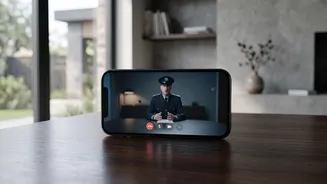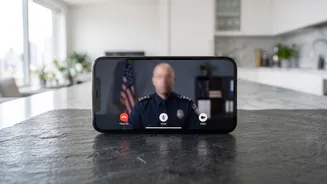








An unexpected call from someone claiming to be a police officer can be terrifying. Fraudsters are exploiting this fear with 'digital arrest' scams, using sophisticated psychological tactics to create a fake interrogation and extort money.
The Opening Accusation
The scam typically
starts with a call from an unknown number, sometimes with an international code or a number spoofed to look like a real police landline. The caller, often impersonating an officer from the CBI, a state police force, or another agency, authoritatively informs you that you are implicated in a serious crime. Common false accusations include a parcel in your name containing illegal items like drugs, or that your Aadhaar number or bank accounts have been used for money laundering. The initial goal is to induce shock and fear, making you more susceptible to their demands.
Crafting the Crime Scene
To make their claims believable, scammers use a variety of props. They present fabricated documents like arrest warrants, FIRs, and official-looking ID cards over video calls on platforms like Skype or WhatsApp. The background is often staged to resemble a police station, with some fraudsters even wearing uniforms. They use legal jargon and may have information about you, likely sourced from data leaks, to enhance their credibility. This creates a high-pressure environment where questioning the situation feels risky.
The Isolation Tactic
A key part of the scam is isolating the victim. Fraudsters will insist that you stay on the video call and not speak to anyone else—not your family, friends, or a lawyer. They will claim the matter is confidential and that telling anyone could compromise the 'investigation' or lead to more severe charges. This is a psychological trick designed to prevent you from getting a second opinion from someone who might recognize the scam. By controlling your communication, they control your perception of reality.
The Mock Interrogation
Once isolated, the 'interrogation' begins. The scammers' tone shifts between aggressive and helpful. They might have multiple people join the call, pretending to be officers of increasing seniority, to make the process seem legitimate. They ask probing questions and create a sense of overwhelming confusion and panic. Victims are kept on these calls for hours, sometimes even days, exhausting them mentally and emotionally until they are desperate for a solution. This prolonged psychological pressure is designed to break down your resistance.
The 'Solution': A Demand for Money
After hours of intimidation, the fraudsters offer a way out. They might suggest that your identity was stolen and they can help you clear your name. This 'help' always involves money. They will demand you transfer funds to one or more bank accounts for 'verification' or as a 'refundable security deposit', promising the money will be returned once the investigation is complete. This is the entire goal of the scam. Real law enforcement agencies will never demand payment to close a case or avoid arrest.
How to Protect Yourself
The most important thing to remember is that there is no such legal concept as a 'digital arrest' in India. Police and other investigative agencies do not conduct interrogations or make arrests over phone or video calls. If you receive such a call, the safest and most effective action is to hang up immediately. Do not engage, argue, or provide any personal information. Afterward, block the number and report the incident to the National Cyber Crime Reporting Portal by calling the helpline number 1930. You should also warn your family and friends about this tactic.