




First Things First: The Inner Line Permit (ILP)
Before you even pack your bags, your first step is securing an Inner Line Permit (ILP), which is mandatory for all domestic tourists entering the state. The good news is the process is now largely online. You can apply through the official government
portal, arunachalilp.com. You'll need a passport-sized photograph and a valid government-issued ID like an Aadhaar card. The fee typically ranges from ₹100 to ₹500, depending on the duration of your trip, which can be up to 14 days for tourists. Approval is often granted within 24 to 48 hours. While a digital copy on your phone is usually accepted at checkposts, it is always wise to carry a printed copy as a backup.
Getting There and Around on the Cheap
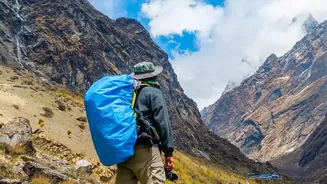
The most budget-friendly way to reach Arunachal Pradesh is by train or bus to a major hub in Assam, like Guwahati or Tezpur. From Guwahati, you can take an overnight bus to Itanagar, the state capital, for around ₹500-₹600. Another option is taking a train to Naharlagun, which is about 15 km from Itanagar. Once you are in the region, shared Sumos (jeeps) and local buses are your best friends. These are the primary modes of transport for locals and backpackers alike, connecting major towns like Bomdila, Dirang, Tawang, and Ziro. A long-distance leg, such as Tezpur to Bomdila or Bomdila to Tawang, can cost around ₹500-₹750 per person. Shorter trips like Bomdila to Dirang are significantly cheaper. Always remember to carry enough cash, as ATMs can be scarce in more remote areas.
Accommodation: Homestays are Key
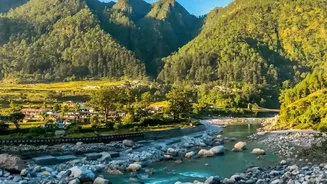
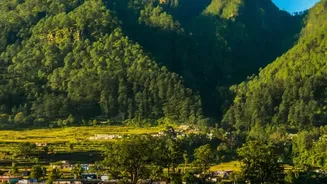
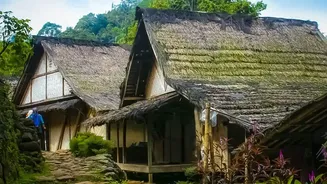
To truly travel on a backpacker budget, skip the hotels and embrace homestays. They are not only affordable but also offer an authentic cultural experience. In popular destinations like Tawang, Dirang, and Ziro, you can find basic homestays and guesthouses for as low as ₹800-₹1500 per night. Places like Dirang and the surrounding Sangti Valley are dotted with family-run accommodations that provide a warm bed and home-cooked meals. Booking in advance isn't always necessary, especially if you are flexible, but it is recommended during peak tourist seasons. These stays are a fantastic way to interact with local families and understand their way of life.
Eat Like a Local for Less
One of the biggest money-savers is food. Avoid fancy tourist restaurants and eat at the small local eateries or 'dhabas' you'll find in every town. A filling meal, often a thali with rice, dal, and vegetables, can cost as little as ₹100-₹200. Don't miss out on trying local delicacies like Thukpa (noodle soup), momos, and dishes made with bamboo shoots or fermented cheese. In Tawang, for example, a plate of momos can cost between ₹100 to ₹150. A daily food budget of around ₹500 is more than sufficient if you stick to local food. This approach not only saves money but also introduces you to the authentic flavours of the region.
A Sample Budget Itinerary (Tawang Circuit)
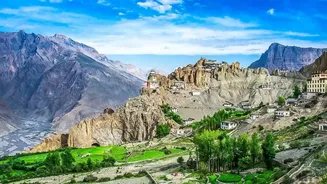
For a first-timer, the western Arunachal circuit covering Tawang is highly recommended. A typical 6-day itinerary could look like this: Day 1: Travel from Guwahati to Bhalukpong or Bomdila. Day 2: Proceed to Dirang, exploring the valley. Day 3: Travel to Tawang, crossing the scenic Sela Pass. Day 4: Explore Tawang Monastery and the local market. Day 5: Journey back to Bomdila or Dirang. Day 6: Travel back to Guwahati. Most of the main attractions, like monasteries and war memorials, have no entry fees, making sightseeing very affordable. For local sightseeing in Tawang to places like Madhuri Lake or Bum La Pass, you can share a taxi with other travelers to split the cost, which is significantly cheaper than hiring a private vehicle.