






Ditch Hard Cases for Soft Bags
The single most effective change you can make is to ask everyone to pack in soft-sided luggage. While rigid suitcases are great for air travel, they are terrible for maximizing car space. Their inflexible shells create awkward, unusable gaps. Duffel bags,
on the other hand, are malleable. They can be squeezed into the odd corners of a boot, squished together to eliminate dead air, and contorted to fit around the wheel wells. This flexibility is the foundation of a well-packed hatchback, allowing you to use every available inch of space.
Master the Art of Tetris
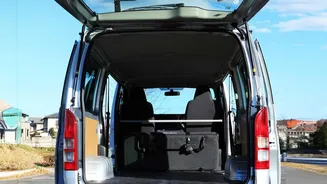
Packing a car boot is a game of spatial logic, and the first rule is to build a solid base. Place the heaviest items on the floor and push them up against the back seats. This helps maintain the car's centre of gravity and stability while driving. From there, work your way up, fitting bags together like puzzle pieces. Use smaller, softer items like jackets, towels, or small pouches to fill in any remaining gaps. This not only maximizes space but also prevents luggage from shifting and sliding around every time you take a corner. Thinking of it like a game of Tetris makes the process more strategic and less of a chore.
Embrace the Power of Packing Cubes
When multiple people are living out of one car, packing cubes are a non-negotiable game-changer. Assign each person a different colour of packing cubes. This simple system allows individuals to quickly identify their belongings without causing a luggage explosion at every stop. It also encourages smarter packing; instead of bringing an entire suitcase into a hotel for one night, a person can just grab their pyjama and toiletries cube. This keeps the car organized and dramatically reduces the time spent rummaging for items.
Create a 'Go-Bag' of Essentials
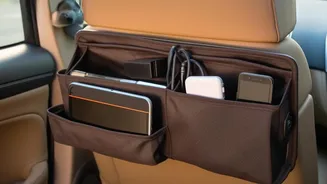
Not everything should be buried in the boot. For a smooth journey, you need a dedicated, easily accessible 'go-bag' for the passenger cabin. This bag should contain everything the group will need while on the road: chargers, a first-aid kit, medications, snacks, water bottles, and tissues. Keeping these items within arm's reach prevents the need to pull over and unpack the entire boot just to find a charging cable or a painkiller. Designate one person to be in charge of this bag to keep it organized and ready.
Discover Your Car's Hidden Spaces
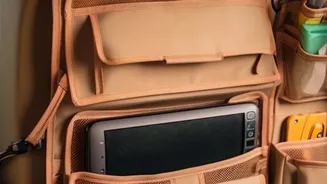
Most cars have more storage space than you think. These 'dead' spaces are perfect for stashing smaller, non-essential, or soft items. Check for space underneath the front seats, which is ideal for sliding a slim bag of shoes or a laptop case. The compartment around the spare tyre can often hold tool kits, emergency supplies, or other items you hope not to need. Door pockets and centre consoles are perfect for smaller essentials that need to be kept handy. Systematically identifying and using these nooks and crannies can free up a surprising amount of primary luggage space.
Pack in Reverse Order of Need
Think about the entire trip from start to finish. What will you need last? That goes into the car first. What will you need as soon as you arrive at your first destination? That goes in last, near the boot opening. For a four-day trip, this might mean packing the bags for the last two days at the very back and keeping the luggage for the first night right at the front. This logical approach saves you from having to unpack the entire car at every stop. It’s a simple mental shift that has a huge impact on the flow and stress level of your trip.