





From Urban Haze to a Celestial Blaze
The relentless orange glow of light pollution means most urban Indians have never truly seen the Milky Way. In cities like Delhi or Mumbai, a clear night might reveal a handful of stars, a stark contrast to the thousands that should be visible. This growing
disconnect from the natural night has ignited a powerful counter-trend: dark-sky tourism. An increasing number of travellers are now planning trips specifically to escape artificial light and reconnect with the cosmos. What was once the domain of serious astronomers is now a mainstream movement, as people journey to remote locations for the simple, profound experience of a star-filled sky.
India's Emerging Star Sanctuaries
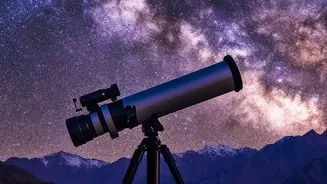
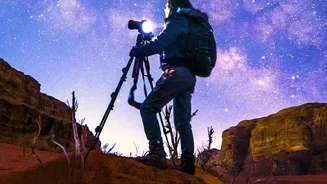
At the forefront of this trend is Hanle in Ladakh, designated as India's first official Dark Sky Reserve. Situated at over 14,000 feet, its high altitude and dry, clear weather offer some of the best stargazing conditions on the planet. The designation has caused a surge in visitors, with numbers climbing dramatically as word spreads. But the movement extends beyond Ladakh. The pristine, high-altitude desert of Spiti Valley, the vast salt flats of the Rann of Kutch, and even forested reserves like Pench Tiger Reserve are becoming hotspots for 'astrotourism'. Tour operators and specialised resorts are emerging to cater to this demand, offering everything from professional telescope sessions to astrophotography workshops.
More Than a Hobby, It's Mindful Astronomy
The appeal of these trips goes far beyond an academic interest in constellations. For a new generation of urban professionals, it's a form of wellness—a practice of 'mindful astronomy'. The experience is less about scientific pursuit and more about finding a sense of awe and perspective. Studies and enthusiasts report that gazing at the vastness of the universe can reduce stress, lower anxiety, and promote a sense of calm. In a hyper-connected world, standing under a canopy of stars offers a powerful digital detox. It encourages being present in the moment, disconnecting from screens and reconnecting with something immense and timeless.
The New Urban Stargazer
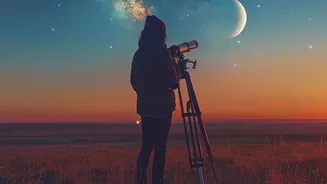
Driving this trend is a generation of city-dwellers—young professionals, families, and solo travellers—seeking more meaningful escapes. They are trading crowded tourist spots for the quiet solitude of a desert or mountain night. This new cohort of astronomy enthusiasts isn't necessarily looking to become experts. Instead, they are drawn by the humbling experience of seeing their place in the universe, which puts everyday worries into perspective. This shift is reflected in the growth of astronomy clubs and private companies that organize weekend getaways from major hubs like Delhi, Bengaluru, and Pune, making the cosmos more accessible than ever.
A Universe of Possibilities
The rise of astrotourism is also creating sustainable opportunities for local communities. In places like Hanle and Spiti Valley, locals are being trained as 'astronomy ambassadors' to guide visitors, operate telescopes, and share celestial folklore. This science-driven tourism provides economic benefits while promoting the preservation of the night sky. For those inspired to look up, getting started can be as simple as joining a local astronomy club for a guided trip or booking a stay at a dedicated astro-resort. From luxury retreats in Ladakh to rustic camps in the Rann of Kutch, there are now options for every level of interest and comfort.