



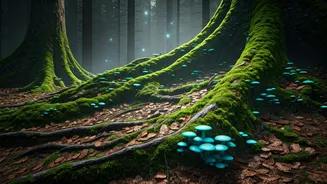


The Midnight Garden
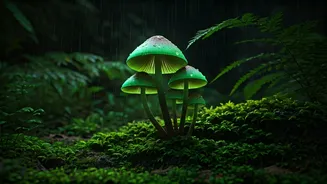
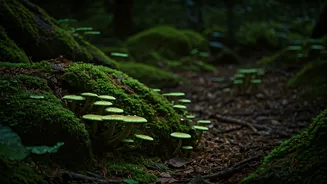
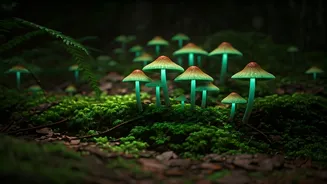
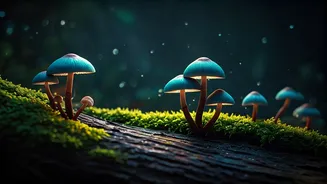
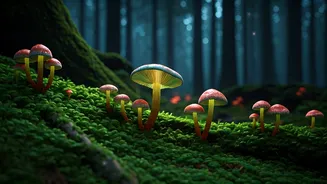
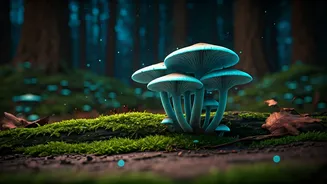
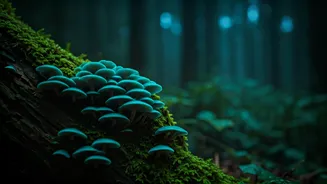
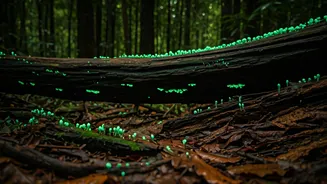
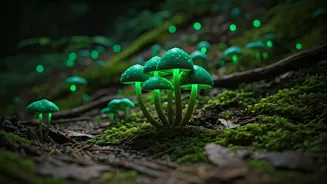
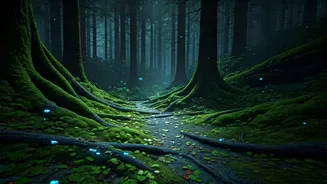
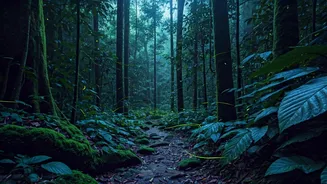
Imagine walking through a dense forest after dusk, with the damp scent of rain-soaked earth in the air. The world is reduced to shades of black and grey. Then, you see it. A faint, otherworldly green-blue light emanating from a fallen log or a patch of decaying
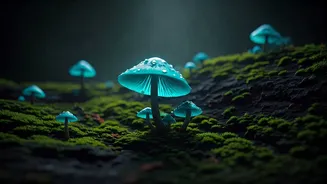
leaves. It’s not a trick of the eyes. It’s *Mycena*, or ‘ghost fungi’ — tiny, bioluminescent mushrooms creating their own light. This phenomenon, known as foxfire, has long been part of local folklore in regions like the Western Ghats and Meghalaya. For generations, it was a quiet wonder, known mainly to villagers and intrepid botanists. But now, the secret is out.
The Science Behind the Glow
What causes this magical display? The glow is a result of a chemical reaction, the same process that lights up fireflies. A compound called luciferin interacts with an enzyme, luciferase, and oxygen to produce light. Scientists believe this bioluminescence serves several purposes. For some fungi, it might attract nocturnal insects that help in spore dispersal, ensuring the mushroom's reproductive success. For others, the glow could be a warning, telling hungry animals that the mushroom is toxic. In India, several species of glowing fungi have been identified, particularly during the monsoon season when humidity is high. Recent discoveries in states like Meghalaya have added new species to the global list, turning the region into a hotspot for mycologists and, increasingly, tourists.
A New Generation of Naturalists
Forest officials and local tour operators across Goa, Maharashtra, and Meghalaya report a significant surge in interest, particularly from visitors under 35. This isn't your typical tourism. These young explorers, armed with smartphones and a genuine curiosity, are seeking experiences that feel authentic and disconnected from the urban hustle. The trend appears to be driven by a combination of factors. The visual spectacle of glowing mushrooms is undeniably ‘Instagrammable,’ and social media has played a huge role in spreading awareness. A single viral reel of a glowing forest can inspire thousands. Furthermore, the post-pandemic world has seen a renewed appreciation for the outdoors. After months of being confined, many young Indians are actively seeking out nature, not just for leisure, but for connection and a sense of wonder.
More Than Just a Photo Op
For many, this is more than just ticking a box on a travel checklist. It represents a deeper shift in environmental consciousness. Unlike previous generations that may have viewed the forest as a resource to be exploited, this new cohort often arrives with a conservationist mindset. They are interested in the ecology, the fragility of the habitat, and the importance of preservation. Local guides often find themselves answering detailed questions about the ecosystem, not just pointing the way. This burgeoning interest provides a unique opportunity for eco-tourism, bringing revenue to local communities and creating a strong incentive to protect these delicate forest environments.
The Challenge of Treading Lightly
However, this newfound popularity comes with risks. The very ecosystems that produce this magic are fragile. Increased foot traffic can disturb the delicate mycelial networks in the soil. Light pollution from torches and phone screens can disrupt the nocturnal environment and outshine the mushrooms' gentle glow. There's also the danger of over-commercialisation, where the authentic experience is diluted in favour of mass tourism. Conservationists and responsible tour operators are now grappling with a crucial question: how do we manage this interest sustainably? The answer lies in education, setting up guided ‘fungi trails’ with trained naturalists, enforcing strict ‘leave no trace’ policies, and ensuring that the economic benefits flow back into conservation efforts. The goal is to ensure that the midnight garden continues to glow for generations to come, not just as a fleeting image on a screen, but as a living, breathing wonder.