





Beyond Discounts to Deeper Experiences
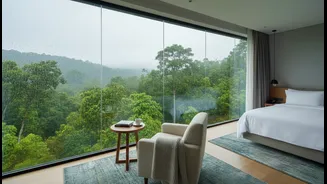
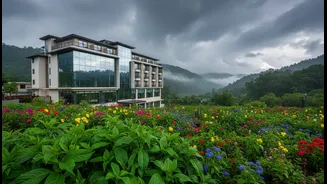
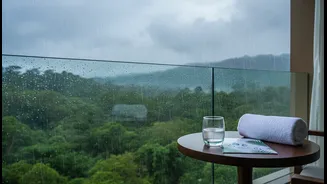
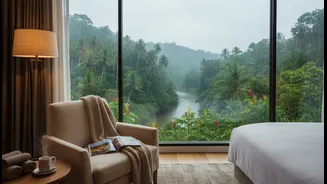
For years, the monsoon meant discounted hotel rooms and the promise of fewer crowds. The travel industry largely treated it as an off-season to be endured. That perception is rapidly changing. Hotels and resorts across India are now embracing the rains,
not as a hurdle, but as a unique selling point. The focus has shifted from merely lowering prices to enhancing value through curated experiences. This evolution is driven by a change in traveler mindset; there's a growing preference for shorter, more frequent getaways and a desire for more than just a place to stay. Modern travelers, especially younger ones, seek immersive activities that connect them with the destination's culture and nature. Instead of just seeing a place, they want to learn a local recipe, explore a rain-washed forest with a guide, or indulge in wellness practices amplified by the season's calming ambience.
Wellness in the Rain
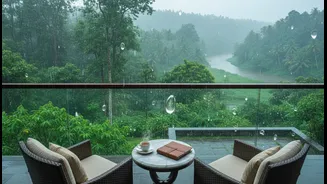
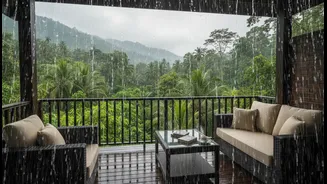
The connection between the monsoon and wellness is ancient, particularly in Kerala, where the humid, dust-free air is considered ideal for Ayurvedic treatments. Today, wellness resorts across the country are tapping into this, offering packages that go far beyond a standard spa menu. These retreats combine traditional practices like yoga and Panchakarma with the serene backdrop of the rains. Imagine practising yoga in a pavilion with the sound of rain as your soundtrack or receiving an Ayurvedic massage as the scent of wet earth fills the air. Destinations like Kerala, Goa, and Rishikesh are at the forefront, with properties designing entire monsoon wellness programs aimed at rejuvenation and detoxification, making the season a peak time for healing.
Culinary Journeys and Foraged Flavours
The monsoon brings a bounty of unique ingredients, and hotel kitchens are taking notice. Experience-led packages are increasingly centered around culinary adventures. These can range from cooking classes focusing on seasonal monsoon dishes to guided foraging expeditions for wild mushrooms and local greens. Chefs are crafting special tasting menus that celebrate the flavors of the season, offering a taste of the region that is only available during this specific time of year. It’s a shift from a generic, year-round menu to one that tells the story of the landscape. This approach allows guests to connect with the local food culture in a hands-on, memorable way, turning a simple meal into a highlight of their trip.
The Great Outdoors, Reimagined
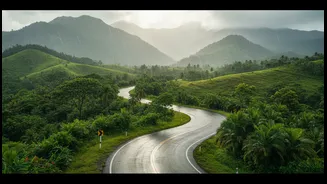
While heavy rains can limit some activities, they unlock others. The monsoon transforms landscapes, turning dry hills into lush emerald carpets and bringing waterfalls to life. Hotels are creating experiences around this natural spectacle. Packages now include guided treks to overflowing waterfalls, nature walks through mist-covered forests, and bird-watching tours to spot seasonal avian life. In places like the Western Ghats, Coorg, and Lonavala, the scenery is the main attraction, drawing travelers who want to witness nature at its most vibrant. Even in Rajasthan, cities like Udaipur take on a new charm as lakes fill up and the Aravalli hills turn green, creating a unique 'monsoon palace' experience that defies the state's desert image.
A New Season for Travel
This strategic shift is proving successful. Hoteliers report significant year-on-year growth in monsoon bookings, with some leisure destinations seeing demand increase tenfold. By offering unique, desirable experiences, the hospitality industry is effectively creating a new, distinct travel season. It challenges the conventional wisdom of what constitutes good travel weather and encourages people to see familiar places in a new light. For travelers, this means more opportunities to explore, fewer crowds than in peak season, and the chance to have an experience that is both exclusive and deeply connected to the rhythm of nature. The monsoon is no longer an afterthought; it’s an invitation.