


The Science Behind the Smell
The primary culprit behind that infamous monsoon smell is the combination of moisture and microorganisms. High humidity in the air means clothes take much longer to dry. This extended dampness creates the perfect breeding ground for bacteria and mildew,
which are microscopic fungi. These microbes feed on the organic matter left in the fabric, like skin cells and residual oils, and as they multiply, they release gases that we perceive as a musty or sour smell. It’s not the water itself that smells, but the activity of these tiny organisms thriving in the wet fabric. Even clean clothes aren't sterile, so if they stay damp for too long, these microbes will inevitably begin to grow.
Prevention Is Your First Line of Defence
The best way to fight musty smells is to stop them before they start. Begin by not letting damp or sweaty clothes pile up in the laundry basket, as this gives microbes a head start. Wash smaller loads more frequently if you can; this prevents a large, unmanageable pile of wet laundry. When storing clothes, ensure your wardrobe has some airflow. Avoid overstuffing closets, which traps stale air and moisture. You can place moisture absorbers like silica gel packs or even bowls of rock salt in your cupboards to help reduce the ambient humidity.
Upgrade Your Washing Routine
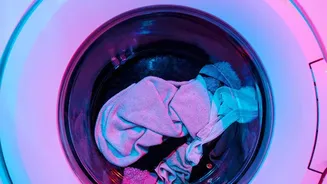
A few small tweaks to your laundry process can make a huge difference. First, consider using slightly less detergent, as excess soap can leave a residue that traps moisture and feeds bacteria. To actively combat odours, add half a cup of white vinegar to your machine’s rinse cycle. Vinegar is a natural deodoriser and fabric softener that helps kill bacteria. Alternatively, you can add about half a cup of baking soda to the main wash along with your detergent to neutralize odours. However, it's important not to use vinegar and baking soda in the same cycle, as they neutralize each other and become less effective.
Mastering the Art of Indoor Drying
With no sun in sight, effective indoor drying is crucial. Start by removing as much water as possible in the washing machine; running an extra spin cycle can significantly speed up drying time, especially for heavy items like jeans and towels. When hanging clothes, space them out on a drying rack to ensure good air circulation around each item. Don’t overlap garments. Place the rack in a well-ventilated area, preferably near an open window or directly under a ceiling fan to mimic a breeze. Using a dehumidifier or even an air conditioner in the room for a while can dramatically reduce humidity and help clothes dry faster.
Quick Fixes for Lingering Smells
If clothes are already dry but still have a faint musty smell, you don't always need to rewash them. A quick and effective fix is to iron them. The heat from the iron can help kill any remaining mildew spores and evaporate the last traces of moisture. For a faster refresh, you can spritz the garment with a solution of half water and half white vinegar and let it air dry. On the rare sunny day, take the opportunity to hang affected clothes outside. Sunlight is a natural disinfectant and an excellent odour remover. Storing clothes with fragrant, moisture-absorbing items like cedar blocks or lavender sachets can also help keep them smelling fresh in the wardrobe.