




The Promise: How Do These Hacks Work?
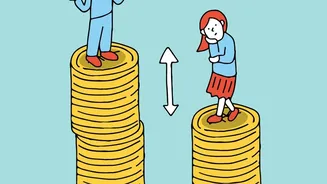
The most common flight 'hack' circulating on social media involves using a Virtual Private Network (VPN) to change your digital location. The theory is that airlines use dynamic and regional pricing, meaning the price for the same seat can vary depending
on where you appear to be buying it from. By using a VPN to make it look like you're in a country with a lower average income, the hack claims you'll be shown significantly cheaper fares. Another popular, albeit riskier, strategy is 'hidden city' or 'throw-away' ticketing. This involves booking a flight with a layover in your desired city but with a final destination somewhere else, because the multi-leg journey is sometimes cheaper than a direct flight. You simply get off at the layover and discard the final leg of the ticket. In both cases, the promise is the same: unlocking a secret pricing tier that airlines don't want you to see.
The Reality Check: Does It Really Save 50%?
The short answer is: rarely. While using a VPN can sometimes result in minor price differences, especially on international routes, the dramatic 50% savings are more myth than reality. In many tests conducted by consumer and tech journalists, changing a VPN server location resulted in negligible savings, and in some cases, even higher prices. Airlines have become much more sophisticated, using AI-driven 'Continuous Dynamic Pricing' that considers far more than just your IP address. These systems factor in demand, competition, your search history, and even the device you're using. A VPN only masks one of those signals. Similarly, while hidden city ticketing can sometimes offer real savings, it’s not a consistent strategy and comes with major trade-offs that often outweigh the discount.
The Hidden Risks and Downsides
These hacks aren't just unreliable; they can be risky. Using a VPN to book flights can trigger fraud alerts with your bank or the airline, as the purchase location won't match your billing address. This could lead to your booking being flagged, subjected to extra verification, or cancelled altogether. Furthermore, while using a VPN isn't illegal, it often violates an airline's terms of service. The risks with hidden city ticketing are even greater. Firstly, you absolutely cannot check a bag, as it will be sent to the final ticketed destination. Secondly, if you miss any flight segment, the airline will typically cancel all subsequent legs of your journey, making it useless for return trips. In cases of flight disruptions, the airline is only obligated to get you to the final destination on your ticket, meaning you could be rerouted away from your intended layover city. Airlines are also known to penalize travelers caught doing this, with potential consequences including the cancellation of frequent flyer miles or even a ban.
Smarter, Safer Ways to Find Flight Deals
Instead of relying on risky hacks, the best way to save money on flights is to use proven, reliable strategies. Flexibility is the most powerful tool a traveler has. Flying on a Tuesday, Wednesday, or Saturday is consistently cheaper than flying on a Friday or Sunday. Being flexible with your destination can also unlock huge savings. Tools like Google Flights Explore allow you to see a map of fares from your home airport, helping you pick a destination based on price. Booking within the 'Goldilocks window'—typically 1 to 3 months for domestic flights and 2 to 8 for international—is another key strategy, as last-minute flights are almost always more expensive. Finally, always use flight comparison sites like Google Flights, Skyscanner, or Momondo to ensure you're seeing the best available price across multiple carriers. Setting up price alerts for a specific route is a far more effective way to snag a deal than trying to trick the system.