




Why Your Budget Comes First
Walking into a jewellery store without a budget is like going to a supermarket when you're hungry—you're bound to make impulsive choices. You might fall in love with an intricate necklace or a heavy set of bangles only to find they are well outside your
financial comfort zone. This can lead to disappointment or, worse, stretching your finances too thin. Setting a firm budget beforehand narrows your focus and empowers you to shop smartly. It transforms the experience from a treasure hunt with no map into a focused mission, ensuring you leave with a piece you love and can comfortably afford.
Decoding the Price Tag
The final price of gold jewellery is more than just the weight of the gold. Understanding the components of the bill is crucial. The total cost is typically calculated with a clear formula: the price of gold (by weight and purity) plus making charges, plus a 3% Goods and Services Tax (GST) on the entire value. The price of gold itself fluctuates daily based on market rates. A reputable jeweller will always be transparent about the day's rate for the specific purity you are buying (e.g., 22K or 18K). Always ask for a detailed bill that breaks down each of these costs clearly.
Purity, Karats, and Hallmarking
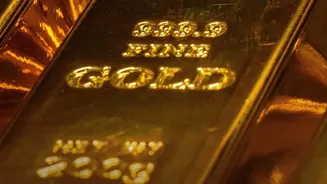
Gold's purity is measured in karats (K). 24K is the purest form (99.9% pure) but is too soft for most jewellery, making it suitable for coins or bars as an investment. Most Indian jewellery is made from 22K gold, which is 91.6% pure gold mixed with alloys for durability. 18K gold (75% pure) is often used for diamond and gemstone-studded pieces. To guarantee this purity, the Government of India has made BIS hallmarking mandatory. A hallmarked piece must have three symbols: the BIS logo, the purity grade (e.g., 22K916), and a six-digit alphanumeric Hallmark Unique Identification (HUID) number. This HUID makes every piece traceable and allows you to verify its authenticity using the BIS CARE app.
The Truth About Making Charges
Making charges, sometimes called wastage, are the fees for the labour and craftsmanship involved in creating the jewellery. These charges can range significantly, from as low as 8% to over 25% of the gold's value, depending on the complexity of the design. Machine-made jewellery typically has lower making charges than intricate, handmade pieces. This is the most negotiable part of your bill. Don't hesitate to ask how the charge is calculated—whether as a percentage or a flat rate per gram. Comparing making charges between different jewellers for similar items can lead to substantial savings. Some jewellers even run special offers with zero making charges during festive seasons.
Choosing the Right Form of Gold
While this guide focuses on jewellery, it's worth knowing your options. If your primary goal is investment, gold coins, bars, or even digital gold might be better choices because they don't include making charges, ensuring you get more gold for your money. Gold Exchange Traded Funds (ETFs) and Sovereign Gold Bonds are other financial products that track the price of gold without the need for physical storage. Jewellery, however, serves a dual purpose: it's a wearable asset and a store of value. When buying jewellery, you are paying for both the metal and the art, which is an important distinction to keep in mind.
Your Final Checklist at the Counter
Before you finalize your purchase, run through this quick checklist. First, confirm the net weight of the gold, excluding any stones. Second, verify the BIS hallmark and the HUID code on the piece itself. Ask for a clear breakdown of the final price: the gold value, the exact making charge percentage or per-gram rate, and the 3% GST. Finally, inquire about the store's buy-back or exchange policy. A transparent jeweller will gladly provide all this information, ensuring you are confident and happy with your purchase.