






The Gut-Brain Superhighway
You’ve probably heard of 'gut feelings', but the connection is far more scientific than a simple hunch. The gut-brain axis is a complex, two-way communication network linking your digestive system with your central nervous system. This superhighway consists
of millions of nerve cells, hormones, and chemical signals that constantly travel between your gut and brain. The primary channel for this conversation is the vagus nerve, which acts like a direct data cable, sending information in both directions. Trillions of microorganisms living in your gut, collectively known as the microbiome, are major players in this dialogue. They help produce neurotransmitters, regulate inflammation, and influence messages sent to the brain, impacting everything from your mood to your ability to concentrate.
From Tummy Troubles to Brain Fog
When your gut microbiome is balanced and diverse, the signals sent to the brain are generally positive, supporting clear thinking. However, a poor diet, stress, or illness can disrupt this balance, leading to a state called 'dysbiosis'. This imbalance can trigger low-grade inflammation. Think of this inflammation as 'static' on the communication line to your brain, making it harder to process information, maintain attention, and recall memories. Furthermore, about 90% of your body's serotonin, a key neurotransmitter for mood and focus, is produced in the gut. An unhealthy gut can mean lower production of these vital chemicals, contributing directly to feelings of brain fog, low motivation, and difficulty concentrating.
Fuel Your Focus with Fiber
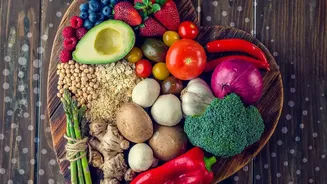
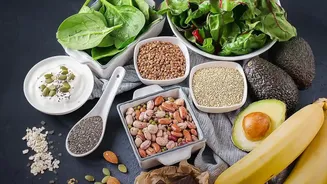
The best way to support your gut's good bacteria is to feed them well, and their favourite food is prebiotic fiber. Prebiotics are specific types of dietary fiber that your body can't digest but your beneficial gut microbes can. As these microbes feast on fiber, they produce beneficial compounds called short-chain fatty acids (SCFAs). SCFAs help strengthen the gut barrier, reduce inflammation, and can even travel to the brain to support cognitive function. To boost your intake, focus on fiber-rich foods like oats, bananas (especially when slightly green), onions, garlic, apples, legumes like lentils and beans, and whole grains. Eating a variety of these foods ensures you're nourishing a wide range of helpful bacteria.
Populate with Probiotic Power
While prebiotics feed the good bacteria you already have, probiotics are live microorganisms that help add to their numbers. These are the 'good bugs' themselves, found in fermented foods. When you eat them, you're directly introducing beneficial strains into your digestive system. In India, some of the most accessible probiotic sources are traditional homemade curd (dahi) and buttermilk (chaas). Other excellent options include kefir (a fermented milk drink), kimchi (fermented cabbage), kombucha, and naturally fermented pickles (those made without vinegar). Even the fermented batter for South Indian staples like idli and dosa can be a source of these friendly microbes. Regular consumption of these foods can enhance the diversity of your gut microbiome, which is linked to better mood and cognitive resilience.
A Daily Menu for a Sharper Mind
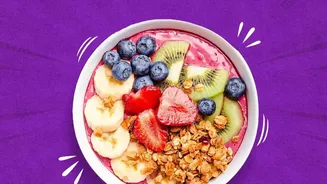
Integrating these foods into your diet doesn't need to be complicated. Small, consistent habits make the biggest difference. Start your day with a bowl of dahi topped with a sliced banana and a sprinkle of seeds. Use onion and garlic generously as the base for your curries and dals. Swap refined grains for whole grains like brown rice or quinoa in your meals. A glass of chaas makes a refreshing and gut-friendly afternoon drink. For a snack, choose an apple with its skin on or a handful of nuts. When you do have pickles, opt for the traditionally fermented kind. By combining prebiotic fibers and probiotic-rich foods, you create a synergistic effect, providing both the beneficial bacteria and the fuel they need to thrive, supporting your gut-brain axis for better focus and mental clarity every day.