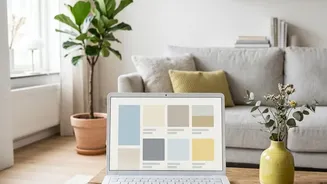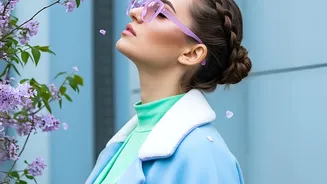

Pastel colours are alluringly soft and cheerful, but they can be tricky. Without the right approach, a pastel palette can look flat, washed-out, or even juvenile. The secret to a sophisticated look is adding dimension through texture.
Why Pastels Can Fall Flat
Pastel colours are
defined by their high levels of white and low saturation. Shades like baby blue, mint green, and blush pink have a gentle, soothing quality. However, this lack of strong chromatic content means that when used alone or without variation, they can create a one-dimensional effect. An entire room or outfit composed of the same flat, pastel fabric can feel visually uninteresting because there is no contrast or depth to draw the eye. Designers and stylists often refer to this as the 'marshmallow' or 'Easter basket' effect—sweet, but lacking in substance and sophistication. To avoid this, you need to introduce another layer of visual information, and the most effective way to do that is with texture.
The Power of Unexpected Pairings
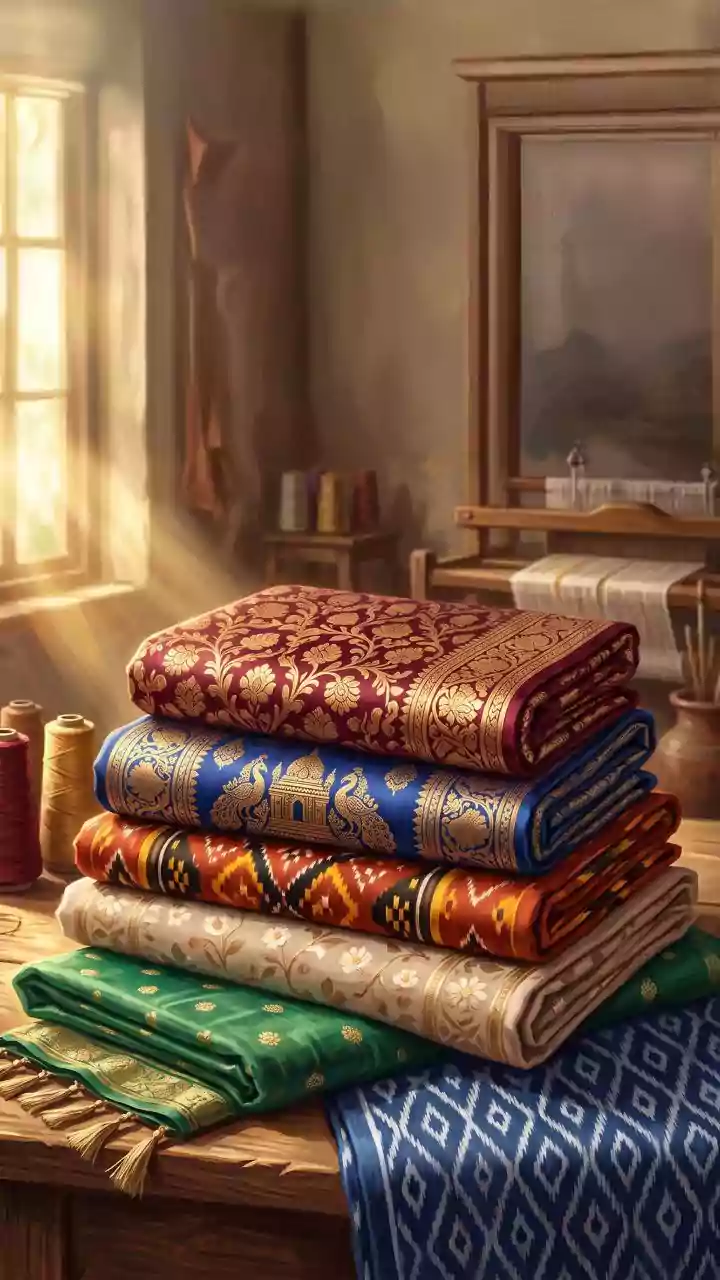
The key to a luxurious and intentional look is creating contrast between different materials. Think about pairing opposites. A chunky, soft-knit sweater in lavender gains a sophisticated edge when worn with sleek, faux-leather trousers in a similar pastel shade. A delicate, pale pink silk blouse feels modern and grounded when paired with structured blue denim. The interplay between a soft texture and a hard one, or a matte finish and a shiny one, is what gives the palette life. High-quality natural materials like cotton, linen, cashmere, and silk tend to look best in pastel shades, as they add their own inherent texture and drape beautifully, preventing the colours from looking cheap.
In Your Wardrobe: A Tactile Approach
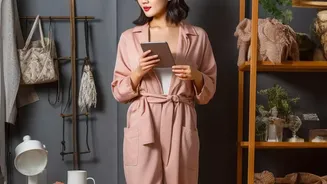
Building a pastel outfit with texture in mind is a simple way to elevate your style. Instead of a simple cotton t-shirt, consider one with a subtle ribbed knit. Don't be afraid to mix and match different fabrics in a single look. For example, a pastel linen blazer paired with a silk camisole and cotton trousers creates a dynamic yet harmonious ensemble. Even within a monochromatic outfit, texture is crucial. An all-blue look becomes far more interesting when it involves a combination of denim, a soft cashmere knit, and perhaps a touch of satin in an accessory. These subtle shifts in surface texture prevent the single colour from looking boring and instead make it appear deliberate and chic.
In Your Home: Creating a Layered Haven
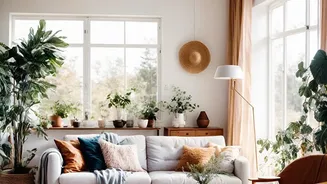
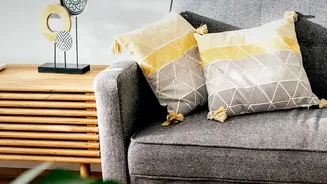
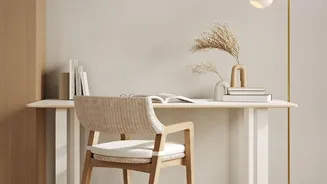
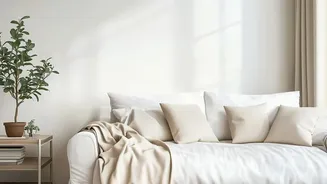
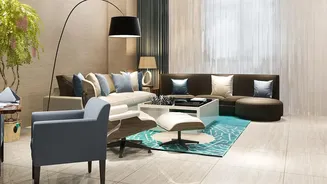
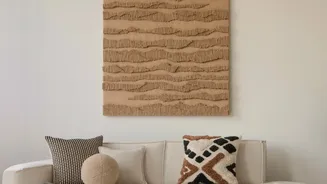
The same principles apply to interior design, where texture is essential for creating a warm and inviting atmosphere. A living room with pale sage green walls could feel sterile, but add a cream-coloured linen sofa, velvet cushions in a dusty rose, a chunky wool throw, and a natural jute rug, and the space is transformed. Each element introduces a new tactile quality that enriches the soft colour palette. Light wood furniture, such as birch or pine, adds natural warmth that complements pastels beautifully. Avoid placing pastels against stark white walls, which can amplify their candy-like qualities. Instead, use warmer neutrals like cream, beige, or oatmeal to ground the look and give it a more mature feel.
Go-To Textures to Mix and Match
To get started, think in terms of contrasting pairs. Mix rough textures with smooth ones, like a raw silk cushion on a sleek leather chair. Combine matte fabrics with those that have a sheen, such as a matte crepe dress with a satin handbag. Play with the weight of fabrics by layering a light, airy organza top under a heavier wool-blend jacket. Some of the best textures to incorporate into a pastel palette include:
Natural Fibres: Linen, cotton, wool, and jute bring an earthy, relaxed feel.
Luxe Fabrics: Silk, satin, velvet, and cashmere add a touch of elegance and richness.
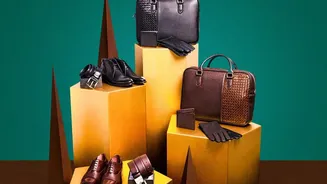
Structured Materials: Denim, leather (real or faux), and corduroy provide a strong counterpoint to the softness of the colours.
Intricate Details: Lace, crochet, and delicate embroidery introduce fine, detailed texture that can make a piece feel special.
Beyond Fabric: The Finishing Touches
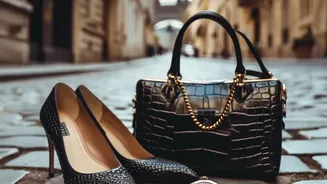
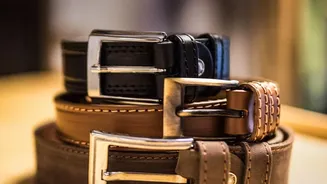
Texture isn't limited to fabrics. The finishing elements in a room or an outfit can also contribute to a layered, dynamic look. In your home, metallic accents like brass or chrome on light fixtures and hardware can elevate a pastel scheme, adding a touch of glamour that keeps it from feeling overly soft. Similarly, natural elements like light-toned wood, stone, and even indoor plants add another layer of texture. In fashion, accessories play a key role. A patent leather belt, a metallic handbag, or bold jewellery can provide the perfect contrasting element to complete a pastel outfit and prevent it from looking flat.