







The Allure and Ambush of September
September is often seen as a golden month for travel. The peak summer crowds have thinned, airlines and hotels may offer better rates, and in many places, the weather is still beautiful. However, it's also a month of transition, and this is where travellers
can get caught out. It’s the time of year when monsoon seasons are supposed to be ending, hurricane seasons are peaking, and temperatures can swing dramatically. This unpredictability is precisely why a quick look at a 10-day forecast isn’t enough. You need to become a bit of a weather detective and dig into the climate patterns of previous years to understand what’s truly possible during your planned holiday.
Indian Monsoon: The Long Goodbye
Many popular destinations in India are heavily influenced by the monsoon, and September often marks its retreat. But this withdrawal isn't always swift or clean. In coastal destinations like Goa, September is a transitional month. While rainfall typically decreases from the intense peaks of July and August, you can still expect moderate to heavy showers. Average rainfall can be around 250 mm, with some sources noting even higher amounts. This means that while you'll likely get periods of sunshine perfect for the beach, where the sea remains a warm 28°C, you should also plan for intermittent downpours and high humidity. Not checking this history might leave you with more indoor time than you bargained for.
The Hills: Post-Monsoon Greenery vs. Lingering Risks
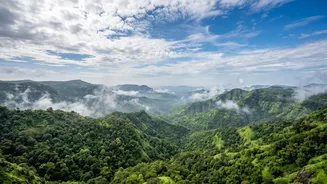
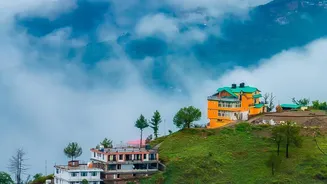
For those seeking the lush, post-monsoon beauty of the Himalayas, September can be spectacular. Places like Himachal Pradesh are vibrant and green after months of rain. However, the weather can be a mixed bag depending on the altitude. In lower-altitude towns like Shimla, you might find pleasant daytime temperatures around 26°C, but still with a high chance of rainfall. Higher up in Manali, temperatures are significantly cooler, dropping to around 12°C during the day and near freezing at night, with notable rainfall of about 143 mm. Furthermore, the risk of landslides and travel disruptions from late-season rains remains a concern in mountainous regions, making it crucial to check local conditions and advisories before and during your trip.
Beyond India: Global Weather Quirks
This principle applies globally. If you're planning an international trip, understanding September's weather patterns is just as critical. For example, the Caribbean and parts of the United States are in their peak hurricane season. While this can mean cheaper travel, the risk of a major storm disrupting or even cancelling your trip is at its highest. Conversely, many parts of Europe, like Greece and Italy, enjoy a 'super September' with warm seas, sunny days, and fewer tourists, making it an ideal time to visit. But even here, the latter half of the month can bring less predictable conditions as autumn begins to set in. The key is to know what kind of weather roulette you're playing.
Your Toolkit for Weather Forensics
So, how do you check a destination's weather history? It’s easier than you might think. A good starting point is the official government meteorological department for that country, like the India Meteorological Department (IMD) for domestic travel. For global destinations, websites like Weather Underground and The Old Farmer's Almanac offer detailed historical data, allowing you to search by city and see past monthly averages for temperature and precipitation. Weather Spark is another excellent resource that provides detailed charts on rainfall, cloud cover, and temperature trends for locations worldwide. By looking at the data for September over the last five to ten years, you can get a realistic picture of your destination’s climate, including the number of rainy days and temperature range, helping you pack appropriately and set realistic expectations.