




From Minnesota to the Stars
Born in Minneapolis, Minnesota, to immigrants from India and Ukraine, Anil Menon's path to becoming an astronaut was anything but direct. His diverse background includes a degree in neurobiology from Harvard, a master's in mechanical engineering and a medical
degree from Stanford, and extensive service as a lieutenant colonel in the U.S. Air Force. Before his selection by NASA in 2021, Menon's career was already marked by service in extreme environments. He was a first responder during the 2010 Haiti earthquake and the 2015 Nepal earthquake, and served as a flight surgeon for the military, logging over 100 flights in F-15 fighter jets. This unique blend of engineering, emergency medicine, and military aviation provided the perfect foundation for his next role. His connection to India also includes spending a year there as a Rotary Ambassadorial Scholar to support polio vaccination initiatives.
The Specialist Who Keeps Astronauts Safe
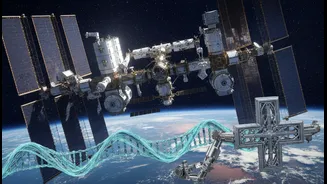
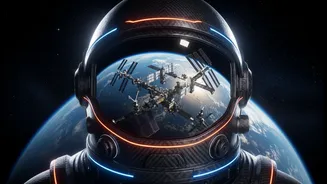
Menon is not just an astronaut; he is a physician specializing in keeping humans healthy in the most hostile environment known. Before joining the astronaut corps, he was SpaceX's first-ever flight surgeon, where he helped build the medical program for the company's historic first human launches, including the Demo-2 mission. He also served as a NASA flight surgeon, supporting multiple long-duration crews on the International Space Station (ISS). This field, known as space medicine, is critical for the future of exploration. It addresses the profound physiological changes the human body undergoes in microgravity, such as bone density loss, muscle atrophy, and fluid shifts that can affect vision and cardiovascular health. His upcoming eight-month mission aboard the ISS, scheduled to launch on July 14, 2026, will see him not only as a crew member but also as a researcher and test subject, studying these very effects to protect future astronauts on long journeys to the Moon and Mars.
A Legacy of Indian Origin in Space
Anil Menon joins a distinguished list of astronauts of Indian heritage who have ventured into space, each leaving an indelible mark. Rakesh Sharma became a national hero in 1984 as the first Indian citizen in space. Kalpana Chawla, the first woman of Indian origin in space, remains a powerful source of inspiration despite the tragic end of her second mission. Sunita Williams has set records for spacewalks by a woman, and Raja Chari commanded a SpaceX mission to the ISS. These trailblazers have paved the way, creating a powerful narrative of ambition and achievement that resonates deeply within India and the global Indian diaspora. Menon's flight continues this legacy, representing another proud moment and showcasing the community's significant contributions to science and exploration.
A Parallel Journey with Gaganyaan
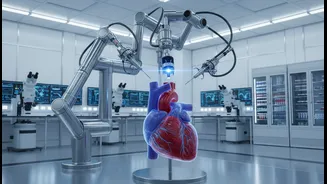
Menon's mission has a special relevance as India prepares for its own ambitious human spaceflight program, Gaganyaan. The medical challenges Menon and his colleagues are working to solve at NASA are the very same ones the Indian Space Research Organisation (ISRO) is tackling for its own astronauts. ISRO has been actively building its expertise in space medicine, collaborating with institutions like the All India Institute of Medical Sciences (AIIMS) and conducting studies to understand how microgravity affects the human body. Researchers in India are using simulations, like head-down bed rest studies, and high-altitude tests in places like Leh to prepare for the physiological and psychological rigors of space. Menon’s work aboard the ISS—testing AI-assisted ultrasound and bioprinting of vascular structures—provides crucial data that will benefit all spacefaring nations, including India, as they plan for sustained human presence in orbit and beyond.