
A Sobering Wake-Up Call from Nepal
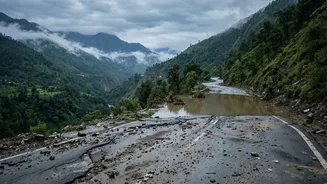
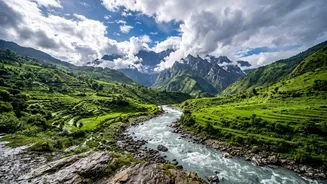
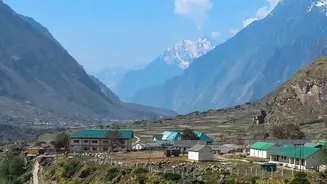
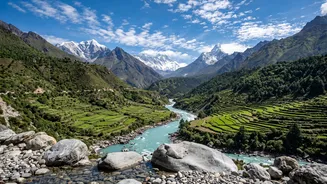
On August 26, 2026, a catastrophic event unfolded in Nepal. A suspected glacier collapse high in the Himalayas triggered devastating flash floods along the Bhote Koshi and Trishuli river systems. The surge of water, ice, and debris swept through communities
in districts like Rasuwa and Nuwakot, causing immense destruction and loss of life, affecting both locals and tourists. This tragedy, occurring at the tail-end of the monsoon season, highlights the volatile and unpredictable nature of the region's environment. For travellers, it underscores a critical lesson: the mountains are dynamic, and safety can never be taken for granted.
Questions to Ask Your Trekking Operator
Choosing the right guide or company is the single most important safety decision you will make. A low price is often a red flag that corners are being cut on safety, guide experience, or porter welfare. Before booking, ask these direct questions: Is the company registered with the Nepal Tourism Board (NTB) and a member of the Trekking Agencies' Association of Nepal (TAAN)? Ask for their license numbers and verify them. What are your safety and emergency protocols for altitude sickness, injury, or natural disasters? What is the guide-to-client ratio, and what specific first-aid and high-altitude training do your guides have? Finally, ask for a detailed, written itinerary that includes acclimatization days. A rushed schedule is a dangerous one.
Mastering Acclimatization and Altitude
Acute Mountain Sickness (AMS) is a serious risk for anyone trekking above 2,500 metres (8,200 feet). Its symptoms include headache, nausea, dizziness, and fatigue. The golden rule is to ascend slowly. A common guideline is not to increase your sleeping elevation by more than 300-500 metres per day once you are above 3,000 metres. A crucial principle is to 'climb high, sleep low,' meaning you can hike to a higher point during the day but should return to a lower altitude to sleep, which greatly aids acclimatization. Listen to your body; if symptoms of AMS appear, do not ascend further. If they worsen, descending is the only effective treatment.
Your Personal Safety Checklist
While a good guide is essential, your personal preparation is equally vital. Ensure you have comprehensive travel insurance that explicitly covers trekking at high altitudes and emergency helicopter evacuation. Your fitness level is crucial; you should be comfortable with long days of walking before you even leave home. Pack the right gear, including well-broken-in waterproof boots, layered clothing for rapidly changing weather, a warm jacket, sun protection, and a basic first-aid kit. Hydration is key to preventing AMS, so plan to drink at least three to four litres of water daily. Finally, always build buffer days into your itinerary. Weather can be unpredictable, especially during shoulder seasons, and having extra days provides a crucial safety margin for delays.
Understanding the Seasons
Timing your trip is a major safety factor. The monsoon season (roughly June to early September) brings lush green landscapes but also presents significant risks like landslides, leeches, and slippery trails. The recent disaster in Nepal is a stark example of monsoon-related dangers. While some treks in rain-shadow areas like Upper Mustang or parts of Spiti are suitable for monsoon travel, most popular routes are best avoided. The peak trekking seasons of autumn (October-November) and spring (March-May) generally offer more stable weather, clearer skies, and safer conditions, making them the ideal time for most Himalayan adventures.