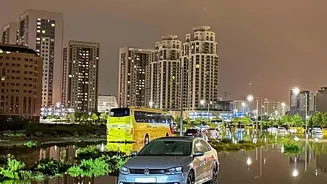





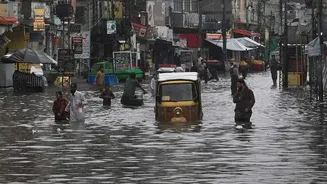

Every monsoon, the story repeats: flooded streets, submerged cars, and waterlogged homes. As Indian cities grapple with increasingly intense rainfall, a powerful, often overlooked, natural ally in the fight against flooding lies hidden in plain sight.
Nature's Sponge in the Concrete Jungle
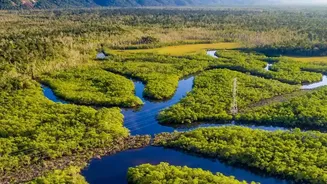
Urban wetlands — which include marshes, lakes, and floodplains — function like giant, natural sponges. During heavy downpours, instead of water immediately overwhelming concrete drains and roads, wetlands absorb and store vast quantities of rainwater. Their soil and dense vegetation slow down the flow of water, giving it time to seep into the ground, which recharges groundwater tables. This stored water is then released slowly over time, significantly reducing the peak flow that causes destructive flash floods. In watersheds where wetlands have been lost, studies show that flood peaks can increase by as much as 80 percent, demonstrating their critical role in urban flood management.
The High Cost of Disappearing Buffers
Across India, the rapid pace of urbanisation has come at a steep cost. Cities like Mumbai, Chennai, and Bengaluru have lost a significant percentage of their wetlands to real estate development and infrastructure projects. This encroachment has a direct and painful consequence: increased frequency and severity of urban flooding. When these natural sponges are paved over, the land loses its ability to absorb rainwater, leading to greater surface runoff that quickly overwhelms drainage systems. The devastating floods in Chennai in 2015 and Bengaluru in 2022 are stark reminders of what happens when natural floodplains and water bodies are compromised. The Pallikaranai Marsh in Chennai, which once covered nearly 6,000 hectares, has shrunk dramatically, contributing to the recurrent waterlogging faced by southern parts of the city.
A Lesson from Kolkata
While many cities suffer the consequences of wetland loss, Kolkata offers a powerful example of their value. The East Kolkata Wetlands (EKW), a sprawling 12,500-hectare ecosystem, serves as the city's natural flood defence system. This internationally recognised Ramsar site absorbs excess monsoon rainwater, providing a crucial buffer against waterlogging for the metropolitan area. But its benefits don't stop there. The EKW also acts as a massive natural sewage treatment plant, recycling a significant portion of the city's wastewater through a unique system of fisheries and agriculture. This process not only cleans the water but also supports the livelihoods of thousands of people, showcasing how protecting natural ecosystems can provide a host of ecological and economic benefits.
More Than Just Flood Control
The case for preserving and restoring urban wetlands extends far beyond flood mitigation. These ecosystems are often called 'nature's kidneys' for their ability to filter pollutants and improve water quality. They are hotspots of biodiversity, providing critical habitats for birds, fish, and other wildlife in urban landscapes. Furthermore, wetlands help combat the 'urban heat island' effect by cooling the surrounding areas and act as powerful carbon sinks, capturing and storing atmospheric carbon. By providing green spaces for recreation, they also contribute significantly to the mental and physical well_being of city residents.
Reintegrating Nature into Urban Planning
The path forward requires a fundamental shift in how we view urban development. Instead of seeing wetlands as wastelands to be built over, planners and policymakers must recognise them as vital green infrastructure. This involves integrating wetland conservation into city master plans, enforcing strict regulations against encroachment, and investing in restoration projects. Initiatives like China's 'Sponge Cities' program aim to do just this, by combining natural solutions like wetlands with built infrastructure to enhance urban water resilience. For Indian cities to become truly climate-resilient, protecting and reviving their natural water bodies is not an option, but a necessity. Community awareness and participation are crucial to drive this change from the ground up.