
Beyond the Golden Triangle
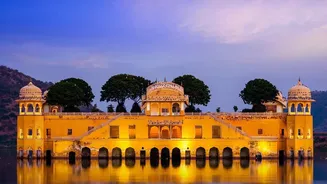
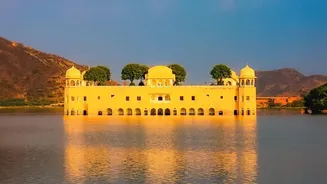
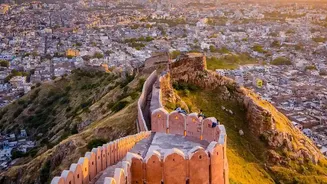
Rajasthan's tourism department is making a concerted effort to guide travellers beyond the well-trodden paths of Jaipur, Jodhpur, and Jaisalmer. The state government is actively developing new tourism circuits to decentralise visitor traffic and showcase
lesser-known regions. A key part of this strategy is the creation of a 'tribal circuit', with southern districts like Banswara and Dungarpur at its heart. This initiative aims to highlight the area's unique tribal culture, natural beauty, and religious sites, transforming them into global tourist destinations. By promoting these emerging areas, the state hopes to create new revenue streams for local communities and offer a more diverse portfolio of experiences to travellers.
The 'City of 100 Islands'
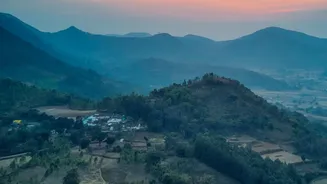
Banswara's nickname, the 'City of 100 Islands', isn't just a catchy phrase; it's a reality born from the Mahi River and the massive Mahi Bajaj Sagar Dam. This dam, the second largest in Rajasthan, has created a vast reservoir where numerous small islands emerge from the backwaters, especially during the monsoon. This feature gives the region a landscape dramatically different from the arid image typically associated with Rajasthan. Receiving the highest rainfall in the state, Banswara is a lush, green paradise wrapped in the Aravalli hills, filled with teak forests and serene water bodies. This abundance of water and greenery makes it a refreshing and unexpected destination for those looking to explore a different side of the state.
A Rich Tapestry of Culture and History
Beyond its stunning natural beauty, Banswara is a region steeped in culture and history. It is a heartland for the Bhil tribal community, whose vibrant traditions, folk music, and art are integral to the area's identity. This rich heritage is on full display during local festivals like the Beneshwar Fair, a major tribal gathering at the confluence of three rivers. The region also boasts significant spiritual sites, most notably the Tripura Sundari Temple. This ancient Shakti Peeth, with its striking black stone idol of the goddess, attracts pilgrims from across the country. For history enthusiasts, the 11th-century ruins of the Arthuna temples offer a glimpse into the architectural prowess of past dynasties.
The Itinerary Is Everything
The ultimate success of Rajasthan's push for Banswara rests on the visitor experience, which is where carefully planned itineraries become crucial. A compelling Banswara itinerary must offer more than just sightseeing; it needs to be an immersive journey. An ideal trip would blend nature, culture, and adventure. Imagine starting with a serene morning exploring the islands on the Mahi reservoir, followed by an afternoon visit to the sacred Tripura Sundari Temple. The next day could be dedicated to cultural immersion, visiting a Bhil village to understand local crafts, or exploring the historic Arthuna ruins. For the more adventurous, options like boating at Kagdi Pick Up Weir or trekking to a seasonal waterfall could be included. The itinerary must be well-paced, accessible, and supported by developing infrastructure, including accommodation and transport. Without a thoughtful and engaging plan, Banswara's raw potential could remain just that—potential.
From Potential to Premier Destination
For Banswara to truly emerge from the shadows of its more famous Rajasthani counterparts, accessibility and infrastructure are key hurdles. The nearest major airport is in Udaipur, about 165 km away, with the closest railway station being Ratlam, 80 km away. While road connectivity is decent, plans for a new railway line connecting the region are underway, which will be a significant boost. The government's focus on improving infrastructure is a positive sign. However, the quality and variety of accommodation, dining options, and professionally guided tours will also need to scale up to meet the expectations of a diverse range of travellers. The transition from a hidden gem to a mainstream destination requires a delicate balance between development and preservation, ensuring that the very charm that makes Banswara special is not lost in the process.