






Beyond Just Megawatts
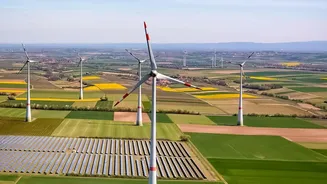
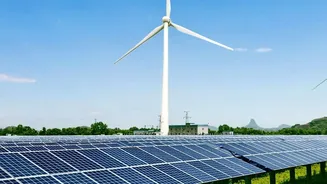
For years, the success of an agrivoltaics project was measured almost exclusively by its energy output and land-use efficiency. The concept was straightforward: why let the land under solar panels go to waste? Early pilot projects, like the pioneering
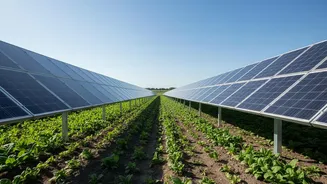
105 kW system at the Central Arid Zone Research Institute (CAZRI) in Jodhpur, demonstrated that combining crops and solar panels was possible. The primary benefit was seen as generating dual revenue from a single plot of land—selling electricity to the grid while still harvesting crops. However, as India pushes towards its ambitious renewable energy targets, a more nuanced understanding is taking root. Policymakers and researchers now recognize that the true potential of agrivoltaics lies not just in coexistence, but in synergy. The assessment of these projects is shifting to a holistic model that evaluates the microclimate created by the panels and its direct benefits to the crops growing beneath them.
The Strategic Value of Shade
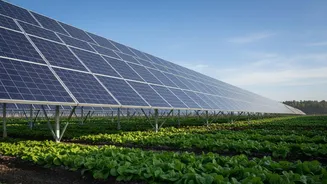
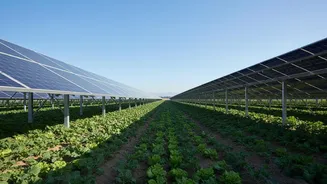
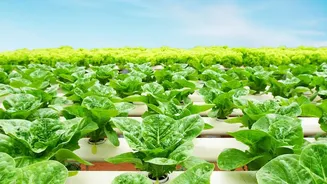
In a country where intense sun and heatwaves can devastate crops, the partial shade provided by solar panels is now being viewed as a valuable asset. This shading creates a cooler, more stable microclimate on the ground, protecting plants from extreme heat stress. This is particularly crucial in India's vast arid and semi-arid regions. Research shows that many crops, especially leafy greens like spinach, root vegetables, and certain herbs, can thrive in these partially shaded conditions, sometimes even producing higher quality yields than those grown in full, unrelenting sun. The solar panels also act as a physical shield, offering protection against damaging weather events like heavy rain and hailstorms, which are becoming more frequent. This added layer of crop resilience is a significant draw for farmers, reducing the risk of yield loss and providing a more stable agricultural environment.
A Critical Double Win on Water
Perhaps the most compelling driver of this new assessment is water conservation. With many parts of India facing acute water scarcity, the impact of agrivoltaics on water usage is a game-changer. The shade from the panels significantly reduces the rate of evaporation from the soil surface. This means the soil retains moisture for longer, drastically cutting down on irrigation needs. Studies and pilot projects across the country have reported water savings ranging from 20% to as high as 50% in agrivoltaic systems compared to conventional open-field farming. For farmers, this translates directly into lower costs for pumping and water, and for the nation, it represents a massive potential for conserving a precious resource. Some advanced systems are even designed to harvest rainwater that runs off the solar panels, channeling it for cleaning the panels and for supplemental irrigation, creating a self-sustaining water loop.
A New Blueprint for Rural Growth
This evolved understanding is shaping government policy and future projects. The focus is no longer just on installing solar capacity, but on designing systems that optimize both agricultural and energy outcomes. The government is actively promoting this vision through initiatives like the PM-KUSUM scheme, which helps farmers install solar pumps and power plants. A planned update, PM-KUSUM 2.0, is expected to include a dedicated 10 GW component specifically for agrivoltaics, signaling a major policy commitment. This push aims to empower farmers to become both 'Annadata' (food providers) and 'Urjadaata' (energy providers), creating diversified income streams and boosting rural economic resilience. By integrating crop health, water efficiency, and climate resilience into the assessment framework, India is crafting a blueprint for sustainable development that addresses the critical food-energy-water nexus head-on.