




The End of the Cardio Era
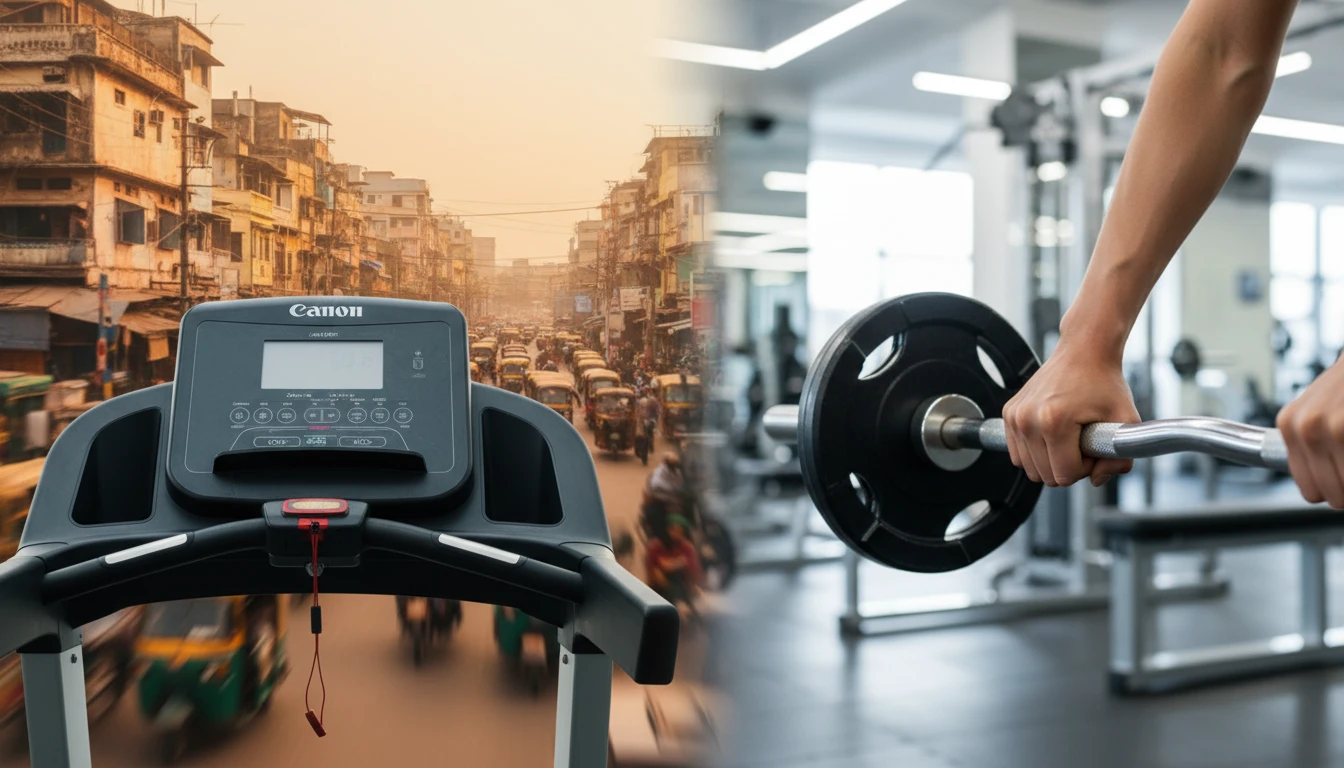
For decades, the fitness advice given to Indian women was simple and singular: do cardio to lose weight. The goal was to become smaller, and endless sessions on the treadmill or cross-trainer were seen as the primary path. This approach, however, often
led to boredom, plateaus, and a narrow focus on aesthetics rather than overall health. A growing sentiment shows that the narrative is changing from just wanting to lose weight to a desire for holistic strength and energy. This shift has been particularly noticeable post-pandemic, as health concerns prompted a re-evaluation of what it means to be truly fit.
The Rise of the Barbell
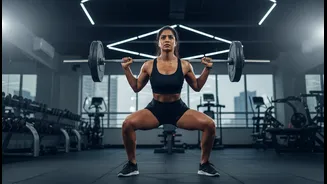
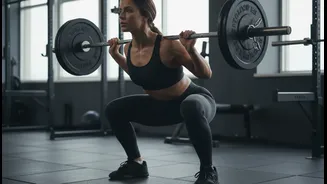
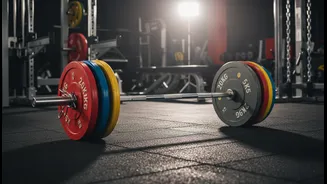
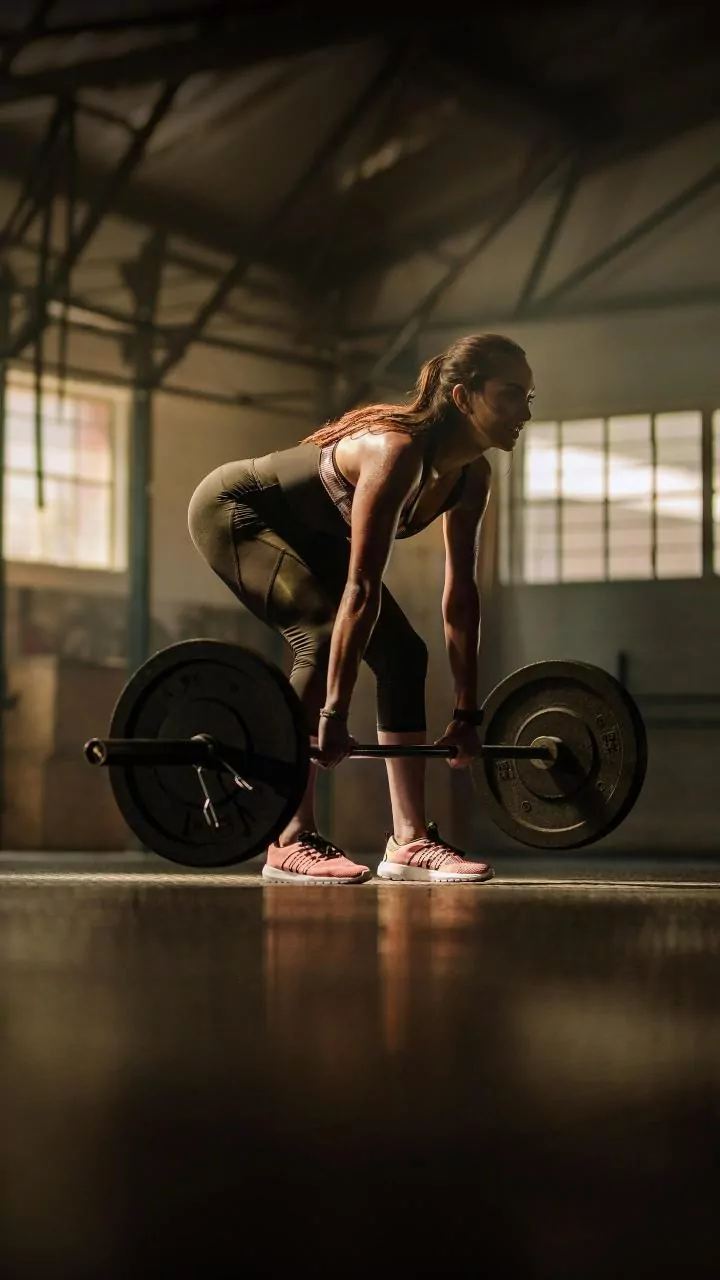
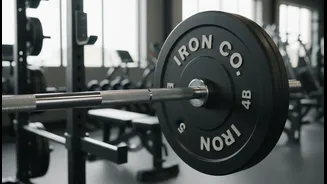
Enter structured strength training. Unlike the monotonous nature of some cardio routines, lifting weights offers tangible progression. The goal is no longer about subtraction—less weight on the scale—but addition: more weight on the bar, more muscle, more functional strength. Proponents point to a host of benefits that go far beyond looks. Barbell training is exceptionally effective for building lean muscle, which in turn boosts resting metabolism, helping the body burn more calories even at rest. This makes it a powerful tool for long-term fat loss and body composition changes.
Shattering the 'Bulky' Myth
One of the most persistent myths that has historically kept women away from heavy weights is the fear of becoming 'bulky'. However, this fear is largely unfounded. Due to hormonal differences, particularly significantly lower levels of testosterone, it is physiologically very difficult for women to build large, bulky muscles without extremely specific, professional-level training and supplementation. In fact, strength training is what helps create a 'toned' and defined physique by building muscle and reducing body fat simultaneously. Fitness influencers and trainers in India are now actively debunking this myth, showing that strength is not a masculine trait but a human one.
More Than Physical Strength
The move towards the barbell is not just about physical transformation; it's deeply connected to mental and emotional empowerment. There is a powerful psychological boost that comes from mastering a new lift or hitting a personal record. This sense of accomplishment spills over into other areas of life, fostering confidence and resilience. Furthermore, strength training is proven to improve bone density, which is a critical health concern for women as they age, helping to prevent conditions like osteoporosis. It also enhances posture, core strength, and balance, making everyday activities easier and reducing the risk of injury.
The Community and Digital Influence
Social media has played a pivotal role in this movement. Indian female fitness influencers like Bani J, Shweta Rathore, and a new generation of strength-focused creators are demystifying weightlifting. They share their routines, celebrate their strength, and build communities where women feel supported and motivated. By showcasing their own journeys, they provide relatable role models and tangible proof that lifting heavy is empowering and transformative. These digital communities are creating spaces where women can ask questions, share their progress, and challenge outdated societal norms together.