


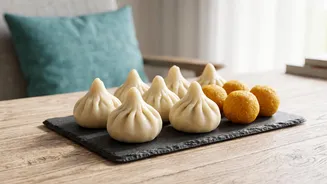


Know Your Modak Type
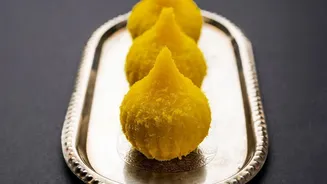
Not all modaks are created equal, and their shelf life varies greatly depending on how they are made. The three most common types you'll encounter during the festival are Ukadiche Modak (steamed), Talniche Modak (fried), and Mawa Modak (made from milk
solids). Steamed modaks are the most delicate due to their high moisture content from the rice flour dough and fresh coconut-jaggery filling. Fried modaks have a longer shelf life because the frying process removes moisture. Mawa modaks, being milk-based, also spoil relatively quickly and require careful handling.
Ukadiche Modak: Handle with Care
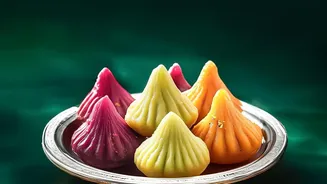
The classic steamed modak, or Ukadiche Modak, is best consumed fresh on the day it is made. These delicate dumplings, with their soft rice flour shell and moist coconut filling, should not be left at room temperature for more than a day. If you have leftovers, they must be refrigerated. Place them in an airtight container to prevent them from drying out. Stored this way, they can last for up to three days in the fridge. When you're ready to eat them, it's best to re-steam them for a few minutes to restore their soft texture. Microwaving can make them chewy.
Fried Modak: The Longer-Lasting Treat
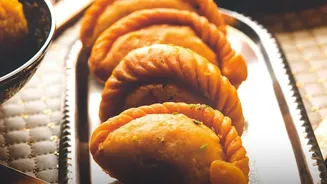
Fried modaks, with their crispy outer shell made from wheat flour or all-purpose flour, are much more forgiving. The deep-frying process gives them a significantly longer shelf life compared to their steamed counterparts. You can safely store fried modaks in an airtight container at room temperature for two to four days. Some sources even suggest they can last for several weeks if stored properly in a cool, dry place. There is no need to refrigerate them, as this can affect their crispy texture. Just ensure the container is sealed well to keep them from going stale.
Mawa Modak: The Rich and Creamy Prasad
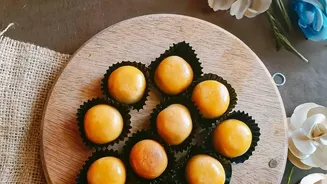
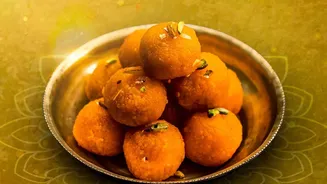
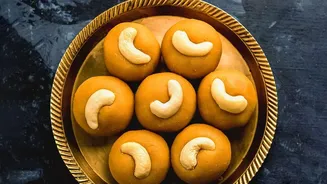
Mawa or Khoya modaks are made from milk solids (mawa), sugar, and flavourings like cardamom and saffron. Since mawa is a dairy product, these modaks are perishable and should not be left at room temperature for extended periods, especially in warm weather. They can typically be kept at room temperature for two to three days. For longer storage, place them in an airtight container in the refrigerator, where they can last for about a week. Before serving refrigerated mawa modaks, it's a good idea to let them sit at room temperature for 15-20 minutes to soften.
When to Throw Them Away: Clear Signs of Spoilage
Trust your senses to tell you when a modak is no longer safe to eat. The first and most obvious sign is an off or sour smell, particularly with steamed and mawa varieties. Any visual signs of mould—typically white, green, or black fuzzy spots—mean the entire batch should be discarded immediately. For steamed modaks, a slimy texture on the outer covering is a clear indicator of bacterial growth. If the coconut-jaggery filling tastes sour or fermented, do not consume it. For fried modaks, while they are less prone to spoilage, they can become stale or rancid; if they smell of old oil or have lost their crispness entirely, it's best to discard them.