




A Nutritional Powerhouse in a Small Package
Don't let its small size fool you. A single purple passion fruit contains a remarkable amount of nutrients for its low calorie count. It's an excellent source of dietary fibre, which is crucial for maintaining a healthy digestive system and promoting
a feeling of fullness. Passion fruit is also loaded with antioxidants, particularly Vitamin C, which supports a strong immune system and healthy skin. Additionally, it provides a good dose of Vitamin A (as beta-carotene), essential for good vision, and contains minerals like potassium and iron. Studies have shown that passion fruit is richer in beneficial plant compounds called polyphenols than many other popular tropical fruits like mango and pineapple.
Just How Low-Calorie Is It?
The headline claim holds true: passion fruit is incredibly low in calories. A single medium-sized fruit contains only about 17 calories. This makes it an outstanding choice for anyone monitoring their calorie intake. You can enjoy its intense, exotic flavour without any guilt. Its low-calorie nature, combined with its high fibre content, makes it a smart snack for weight management, as the fibre helps you feel satisfied for longer. This combination can help reduce cravings for less healthy, high-calorie processed snacks.
Beyond Weight Management: More Health Perks
The benefits of passion fruit extend well beyond its low-calorie profile. It has a low glycemic index (GI) of around 30, meaning it doesn't cause sharp spikes in blood sugar levels, making it a suitable fruit for people managing diabetes. The high fibre content not only aids digestion but also helps in removing excess cholesterol from blood vessels, supporting heart health. The antioxidants in passion fruit, like vitamin C and polyphenols, help protect the body's cells from damage caused by harmful free radicals, which can reduce the risk of chronic diseases.
Choosing, Storing, and Eating
To enjoy passion fruit at its best, look for fruits with a deep purple or yellow skin that feels heavy for its size. A wrinkled and slightly dimpled skin is a sign of ripeness and peak sweetness. If the skin is still smooth, you can let it sit at room temperature for a few days until it ripens. Once ripe, they can be stored in the refrigerator for up to a month. Eating it is incredibly simple: just wash the fruit, slice it in half, and use a spoon to scoop out the aromatic pulp and edible seeds. The crunchy seeds are meant to be eaten and contribute significantly to the fruit's impressive fibre content.
Easy Ways to Add Passion Fruit to Your Day
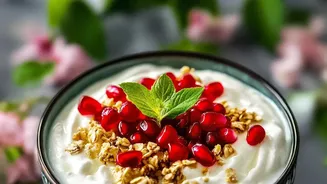
Incorporating this tropical gem into your meals is effortless. Its versatile flavour brightens up both sweet and savoury dishes. Here are a few simple ideas to get you started: - Yogurt and Oatmeal Topping: Spoon fresh pulp over your morning bowl of dahi, Greek yogurt, or oatmeal for a burst of flavour and texture. - Refreshing Smoothies: Blend the pulp with other fruits like banana or mango, some coconut water, and a handful of spinach for a nutrient-packed smoothie. - Vibrant Salad Dressings: Create a quick, tangy dressing by whisking passion fruit pulp with olive oil, a touch of honey, and a squeeze of lime juice. - Hydrating Drinks: Simply stir the pulp into a glass of water or soda water for a flavourful and healthy alternative to sugary drinks. - Simple Desserts: Drizzle the pulp over fruit salads, ice cream, or use it as a flavouring for cheesecakes and mousses.