
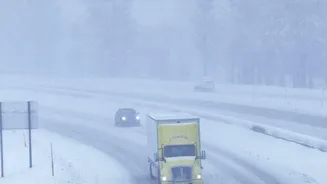

The Invisible Threat of Black Ice
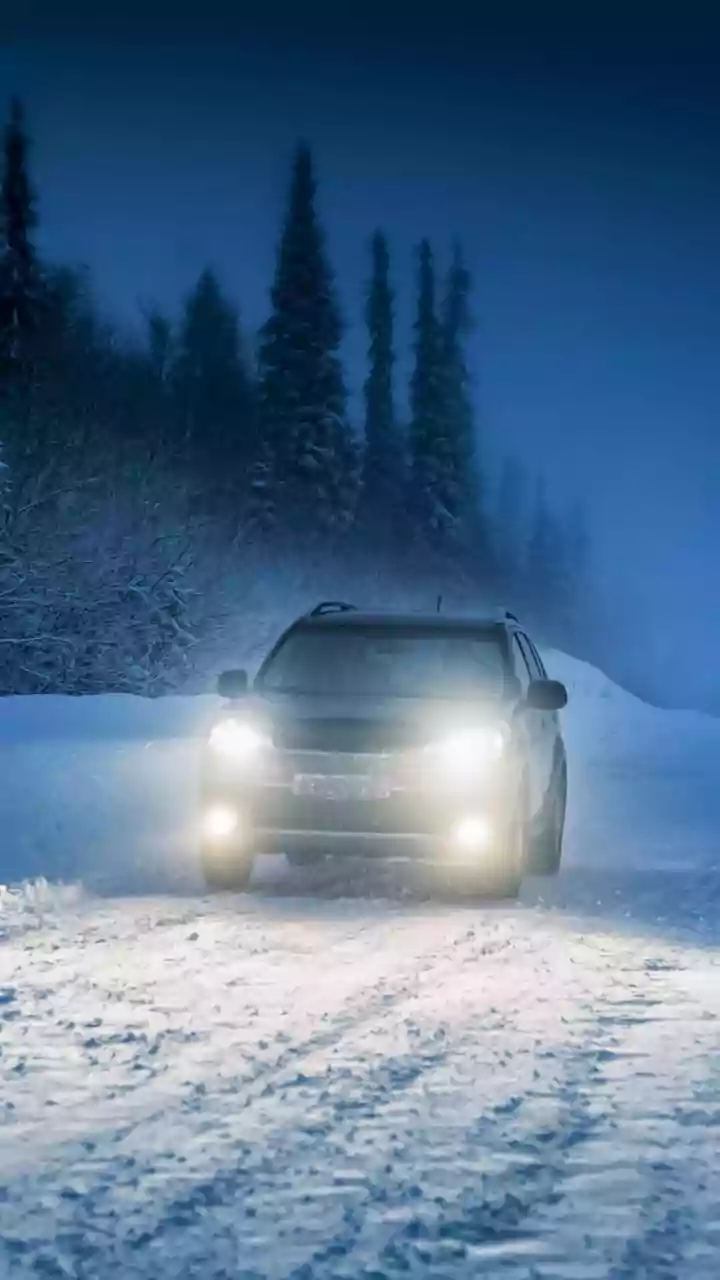
The term 'black ice' is misleading; the ice itself is not black but transparent. It gets its name because it forms a thin, clear glaze that allows the dark asphalt of the road to be seen through it, making it nearly invisible to drivers. This invisible menace
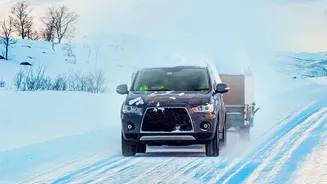
typically forms when light rain or drizzle falls on a road surface that is below freezing, or when melted snow refreezes as temperatures drop overnight. Unlike regular ice or snow, which appears white because of trapped air bubbles, black ice freezes without them, creating a smooth, frictionless sheet. This makes it incredibly deceptive, as a driver can go from a dry, high-traction road to a zero-traction ice patch in a fraction of a second, often with no warning until they lose control.
Why High Passes Amplify the Danger
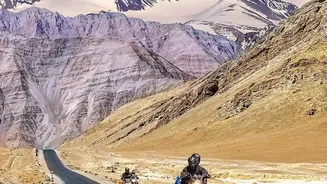
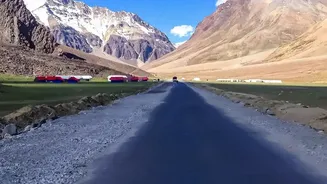
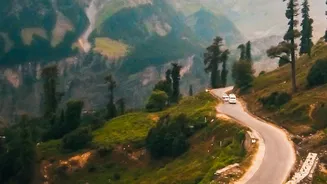
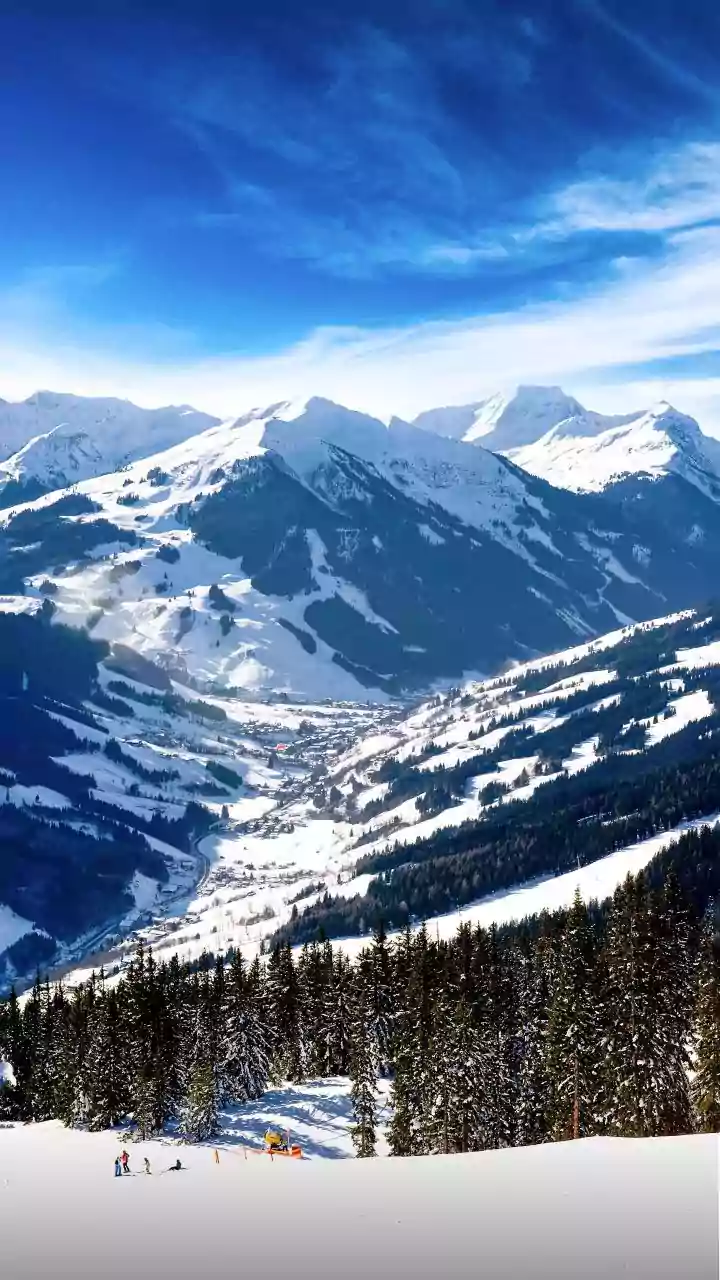
High-altitude passes are uniquely hazardous environments for winter driving. The combination of steep gradients, sharp turns, and severe weather dramatically increases risk. Mountainous regions are prone to rapid temperature shifts, especially in shaded areas or on bridges and overpasses, which are classic spots for black ice to form because cold air circulates above and below the surface. Furthermore, the physics of altitude work against both the driver and the vehicle. At heights above 3,500 metres, drivers can be affected by acute mountain sickness, which impairs judgment and reaction time. Simultaneously, naturally aspirated engines lose approximately 3% of their power for every 1,000 feet of elevation gain, making vehicles feel sluggish and less responsive when power is needed most.
How Snowfall Shuts Everything Down
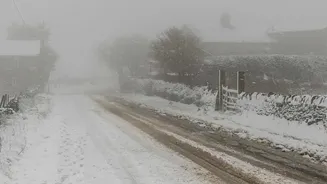
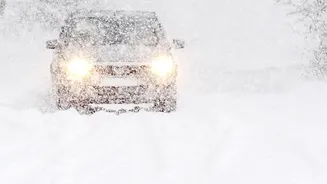
While black ice is an unseen danger, heavy snowfall is a visible and formidable barrier. On strategic routes like the Srinagar-Leh highway via Zoji La Pass or the Manali-Leh highway via Rohtang Pass, heavy accumulation can shut down traffic for days or even weeks. These disruptions aren't just about a layer of snow; they involve significant drifts, sometimes reaching over 30 feet, and the constant threat of avalanches, which can sweep vehicles off the road. Authorities like the Border Roads Organisation (BRO) undertake massive, weeks-long snow-clearing operations each year to reopen these vital lifelines. Using advanced machinery, teams work in sub-zero temperatures to cut through metres of dense, compacted snow, a process that highlights the immense challenge of keeping these routes operational.
The Official Response and Closures
When conditions become treacherous, authorities preemptively close high-altitude passes to prevent vehicles from getting stranded. The decision to close a route like the Darcha-Shinkula road or Rohtang Pass is often made with little warning, based on weather forecasts predicting heavy snow or blizzards. The BRO is responsible for not only clearing the snow but also conducting rescue operations. In numerous instances, BRO teams have worked for nearly 40 hours straight to clear roads and evacuate stranded civilians and military personnel. These closures are a necessary safety measure, protecting travellers from being caught in life-threatening situations far from assistance.
Your Safety Checklist for Winter Passes
Preparation is the most critical aspect of a safe high-altitude winter drive. Before any trip, check the official road status and weather forecasts. Your vehicle must be winter-ready with antifreeze, a healthy battery, and functional wipers and defrosters. Winter tyres are highly recommended, and carrying snow chains is mandatory for many high passes. Driving techniques must be adapted: slow down significantly, increase your following distance, and use engine braking on descents by shifting to a lower gear to avoid overheating your brakes. Never use cruise control on icy roads. Pack an emergency kit containing thermal blankets, extra food and water, a torch, and a first-aid kit. If you do get stranded, staying warm is the first priority.