




The New Rules of Beauty
For decades, the beauty industry operated on a simple premise: a high price tag signalled superior quality. A hefty cost was shorthand for extensive research, rare ingredients, and aspirational luxury. But the game has fundamentally changed. A new generation
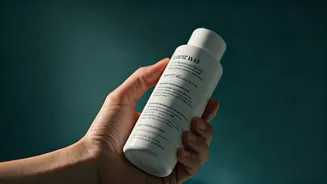
of brands, often called 'masstige' (mass-market + prestige), has democratised high-performance skincare by prioritising transparency over tradition. Pioneers like The Ordinary, and homegrown successes like Minimalist, have rewritten the rules. [4] They built their brands not on marketing fluff, but on ingredient-led education, listing active ingredients and their concentrations—like "Niacinamide 10%" or "Retinol 0.5%"—front and centre. [4, 23] This 'lab-to-shelf' approach treats consumers as intelligent individuals capable of understanding the science behind their skincare, a strategy that has resonated deeply with a new cohort of shoppers. [4, 15]
Decoding the Premium Playbook
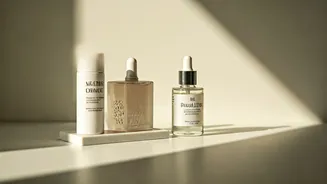
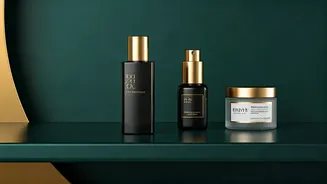
So, what exactly are these "premium claims" that value brands are co-opting? It's a vocabulary once reserved for high-end dermatology offices and luxury counters. Terms like "clinically proven," "dermatologist-tested," and promises of specific ingredient concentrations are now staples of affordable skincare. [10, 26] These brands focus on hero ingredients backed by scientific evidence—hyaluronic acid for hydration, vitamin C for brightness, and peptides for anti-ageing—and deliver them in minimalist, 'shelfie-worthy' packaging that looks just as good in a bathroom cabinet as its expensive counterparts. [3, 11] Indian brand Minimalist, for instance, focuses on transparency and evidence-based formulations, even highlighting the results of clinical trials on their website to build trust. [4, 28] This shift forces consumers to ask a critical question: if a ₹700 serum contains the same active ingredient as a ₹7,000 one, what exactly is that extra cost paying for? [12]
The Rise of the 'Skin-telligent' Consumer
This market disruption is powered by an increasingly savvy consumer. Thanks to an army of dermatologists, chemists, and 'skinfluencers' on TikTok and Instagram, shoppers are more educated about ingredients than ever before. [7] They actively compare formulations, check for potential irritants, and hunt for affordable alternatives, a phenomenon known as 'dupe' culture. [8, 14] Finding a cheaper, effective substitute for a viral luxury product is now a point of pride. [14, 25] In India, this trend is pronounced, with reports showing consumers are increasingly making purchasing decisions based on ingredients like Niacinamide and Hyaluronic Acid rather than just brand names. [6, 20, 27] This demand for transparency and value has created a feedback loop: as consumers get smarter, brands are forced to be more honest and competitive. [10]
How Luxury Is Fighting Back
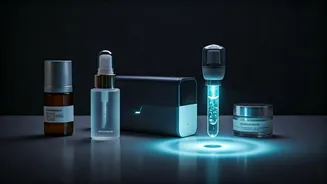
Prestige beauty isn't disappearing, but it is being forced to adapt and innovate. [24] With mass-market skincare sales now outperforming prestige in some segments, luxury brands can no longer rely on a famous logo and elegant packaging alone. [2] Their response is a multi-pronged strategy. Firstly, they are doubling down on what value brands can't easily replicate: cutting-edge, proprietary research and patented ingredients that offer unique benefits. [3, 12, 24] Secondly, they are elevating the *experience* of luxury—focusing on sophisticated textures, complex fragrances, and a feeling of indulgence that a simple dropper bottle cannot provide. [24] Finally, they are embracing the ingredient-led trend themselves, but with a focus on advanced delivery systems that enhance efficacy, arguing that *how* an ingredient is delivered to the skin is as important as the ingredient itself. [5] For them, the future is about justifying their premium by offering something genuinely exceptional, not just expensive.