







The Unspoken Weekend Hero
When we talk about weekend comfort food, what are we really looking for? It's more than just sustenance. It's a feeling. It’s the slow unwinding after a long week, the joy of a leisurely afternoon, and the deep satisfaction of a meal that tastes like
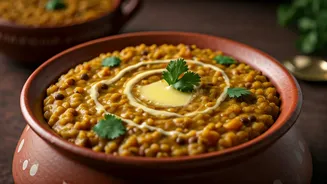
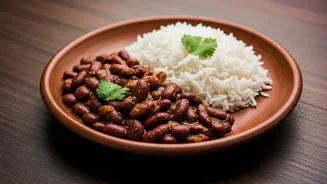
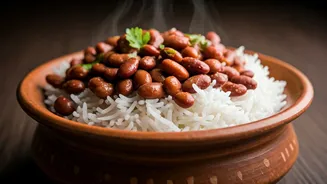
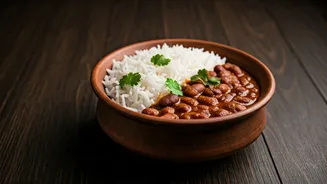
home. While gourmet options have their place, the dish that truly captures this spirit for countless Indians is Rajma Chawal. More than just kidney beans and rice, it’s a bowl full of nostalgia, a Sunday ritual passed down through families. It’s the smell of the masala simmering, the whistle of the pressure cooker, and the promise of a satisfying nap to follow. This weekend, we’re not just suggesting a meal; we’re advocating for a return to this simple, profound pleasure.
It Starts with the Rajma
The soul of the dish lies in getting the rajma itself just right. The perfect rajma is creamy, tender, and almost melts in your mouth, its skin holding just enough form. This texture isn't achieved by accident. First, choose your beans wisely. While any will do, the smaller, darker Jammu or Chitra rajma are prized for their flavour and creamy consistency. The most crucial step, however, is soaking. Give your beans a generous overnight soak (at least 8-12 hours) in ample water. This not only speeds up cooking but also ensures they cook evenly and become easier to digest. When you’re ready to cook, boil them with a pinch of salt, a bay leaf, and perhaps a black cardamom pod until they are completely soft. You should be able to easily mash a bean between your thumb and forefinger.
Building the Flavour Foundation
A great rajma is all about a deep, robust, and well-balanced masala. This isn't the time for shortcuts. The base begins with the holy trinity of Indian cooking: finely chopped onions, ginger, and garlic. The secret is patience. Sauté the onions in ghee or oil until they are deeply golden brown, not just translucent. This caramelisation builds a sweet, complex base flavour that is absolutely essential. Next, add the ginger-garlic paste and cook until the raw smell disappears. Then come the tomatoes, pureed or finely chopped, cooked down until the oil begins to separate from the masala. This 'bhuno' process is where the magic happens, creating a rich gravy that will beautifully coat every single bean.
The Slow Simmer
Once your masala is rich and fragrant, it’s time to unite it with the cooked rajma. Don't just dump and serve. Add the boiled beans to the masala along with some of their cooking water (this starchy liquid helps thicken the gravy). Now, for the final act of love: the simmer. Lower the heat, partially cover the pot, and let the rajma bubble away gently for at least 20-30 minutes. This allows the beans to absorb all the wonderful flavours of the masala, and for the gravy to thicken into a luscious, coherent curry. It’s this slow mingling of flavours that transforms good rajma into a truly unforgettable one. Finish with a sprinkle of garam masala and fresh coriander for that final burst of aroma and freshness.
Perfect Pairings
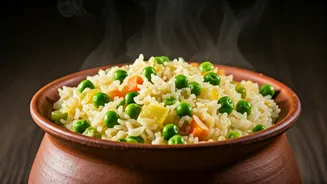
Rajma is only half the story. It demands a partner, and its one true love is fluffy, perfectly steamed rice—ideally a long-grained Basmati. Each grain should be separate, ready to soak up the delicious gravy. But the experience doesn't end there. To elevate your Rajma Chawal from a simple meal to a feast, consider the accompaniments. A generous dollop of white butter or ghee melting on top is non-negotiable for many. On the side, a simple kachumber salad of chopped onions, tomatoes, and cucumber with a squeeze of lemon provides a fresh, crunchy contrast. Some thinly sliced raw onions and a wedge of lime add a sharp bite, cutting through the richness of the beans. It’s this combination of textures and temperatures that makes every spoonful a delight.