






The Core Difference: Stability vs. Stance
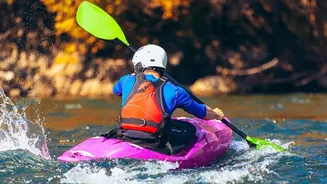
The most significant distinction lies in your center of gravity. In a kayak, you sit low in the water, often in an enclosed cockpit or a molded seat on top. This seated position provides a great deal of stability, making most recreational kayaks feel
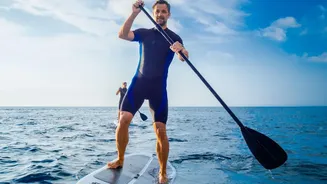
solid and reassuring, especially for beginners. Paddleboarding, by contrast, challenges your balance from the start. You stand on a board, which requires constant engagement from your core and legs to stay upright. While this may sound intimidating, modern boards are quite wide and stable, and many newcomers are standing within their first hour. The choice here is between the secure, low-to-the-water feel of a kayak and the dynamic, open feeling of standing on a paddleboard.
The Learning Curve Explained
For absolute beginners, kayaking generally has a lower barrier to entry. Thanks to their inherent stability, most people can get into a recreational sit-on-top kayak and start paddling effectively within 15 to 20 minutes. The initial challenge is learning to coordinate the double-bladed paddle and steer, but flipping is unlikely in calm conditions. Paddleboarding’s learning curve is centered on balance. Most beginners start on their knees to get a feel for the board before attempting to stand. While it might take a session to find your confidence, the basics of paddling with the single-bladed oar are straightforward. Ultimately, kayaking is easier to start, but paddleboarding is easier than most people expect once they overcome the initial balance hurdle.
Which Offers a Better Workout?
Both activities provide excellent exercise, but they target different muscle groups. Kayaking is predominantly an upper-body and core workout. An efficient stroke involves rotating your torso, engaging your obliques, back, shoulders, and arms. Your legs are mostly used for bracing and balance. Stand-up paddleboarding delivers a more comprehensive, full-body workout. Your legs and core are constantly working to stabilize you on the board, while your arms, back, and shoulders are engaged with every paddle stroke. Because it activates more muscles, paddleboarding typically burns more calories per hour than kayaking at a similar intensity. For pure fitness, SUP has the edge, but kayaking is fantastic for building upper-body endurance.
The View from the Water
Your position dramatically changes your perspective. Sitting low in a kayak offers an intimate, water-level view of your surroundings. It's a fantastic way to feel connected to the water itself. Paddleboarding’s standing position gives you a significant advantage in seeing what's around and below you. From this higher vantage point, you can spot fish, see through clear water to the bottom, and get a panoramic view of the landscape. This makes SUP a popular choice for exploring clear, shallow waters or areas with abundant marine life.
Versatility and Purpose
What do you want to do on the water? Your answer may point you to the right craft. Kayaks, particularly touring and sea kayaks, are built for covering distance efficiently. They handle wind and choppy conditions better than paddleboards and offer more gear storage, making them ideal for longer trips. Paddleboards shine in their versatility for on-water activities. The flat, open deck is perfect for SUP yoga, fishing in calm shallows, or just lounging. It’s also easier for a child or dog to ride along on a paddleboard. If speed and distance are your goals, a kayak is often the better tool. If you want a multi-purpose platform for fitness and fun, a paddleboard is hard to beat.