


More Than a Simple Garnish
Why does parsley work so well with soups? Its magic lies in its clean, slightly peppery flavour. This bright taste cuts through the richness of creamy soups and complements the earthiness of lentil or vegetable broths. It adds a burst of freshness that
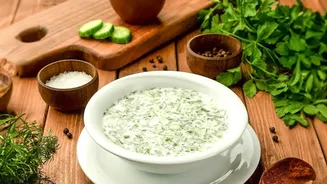
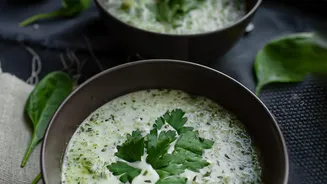
lifts the entire dish, making it taste more vibrant and complex. Beyond flavour, the bright green colour provides a beautiful visual contrast, making a simple bowl of soup look instantly more appealing and professionally prepared. It signals freshness and care, turning a comforting meal into a truly special one. Think of it not as a mere decoration, but as a final, essential ingredient that completes the soup.
Flat-Leaf vs. Curly Parsley
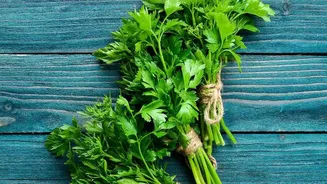
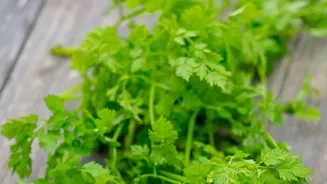
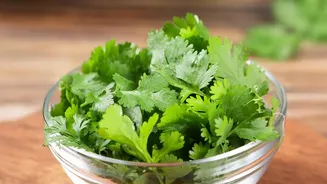
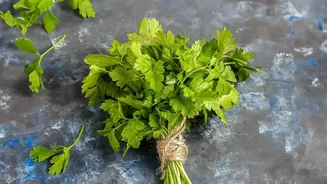
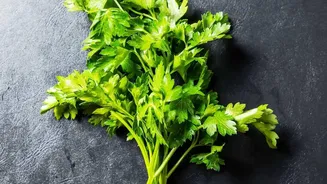
When you are at the vegetable vendor, you will likely see two types of parsley: flat-leaf (also known as Italian parsley) and curly. While they can be used interchangeably in a pinch, they offer different experiences. Flat-leaf parsley has a more robust, aromatic, and less bitter flavour, making it the preferred choice for cooking and for garnishes where you want a noticeable taste. Its leaves are tender and easy to chop finely. Curly parsley, with its ruffled, crisp leaves, has a milder flavour. Its primary strength is its texture and decorative appearance. For garnishing soups, flat-leaf is generally superior for its potent flavour, but a sprig of curly parsley can provide a lovely, classic visual touch, especially for clear broths.
Beyond the Sprinkle: Gremolata
To truly elevate your soup, move beyond a simple sprinkle and create a gremolata. This classic Italian condiment is a powerhouse of flavour and incredibly easy to make. Traditionally, it consists of just three ingredients: finely chopped fresh parsley, minced garlic, and grated lemon zest. The combination is electric. The parsley provides a fresh, herbaceous base, the garlic adds a pungent kick, and the lemon zest contributes a bright, zesty aroma that awakens the senses. A spoonful of gremolata dolloped onto a hearty bean soup, a rich tomato soup, or a simple chicken noodle soup can completely transform it. It adds texture, aroma, and a complex flavour profile that tastes like it took hours to develop.
Create a Silky Parsley Oil
For a more elegant and modern garnish, consider making a vibrant parsley oil. This infusion not only looks stunning when drizzled over a creamy soup but also imparts a smooth, concentrated parsley flavour. To make it, simply blanch a large bunch of fresh flat-leaf parsley in boiling water for about 30 seconds, then immediately plunge it into an ice bath. This process, known as 'shocking', locks in the brilliant green colour. Squeeze out as much water as possible, then blend the parsley with a neutral-flavoured oil, like a light olive oil or grapeseed oil, until completely smooth. You can strain it through a fine-mesh sieve or cheesecloth for a clearer oil, or leave it unstrained for a more rustic texture. A few drops swirled over a potato leek or cauliflower soup adds a professional touch.
Perfect Soup and Parsley Pairings
While parsley is versatile, it sings brightest with certain soups. Its fresh profile is a perfect match for earthy and hearty flavours. Try a generous chop on a classic lentil soup ('dal shorba') or a rustic vegetable stew. It beautifully cuts through the creaminess of potato, mushroom, or pumpkin soups. A simple tomato soup is instantly brightened by a fresh parsley garnish, especially a gremolata. And what is a classic chicken soup without that final flourish of green? Even simple canned or packet soups can be made to taste more homemade and nutritious with the addition of fresh parsley just before serving. The key is to add it at the very end to preserve its delicate flavour and bright colour.