




The Moon's Two Faces
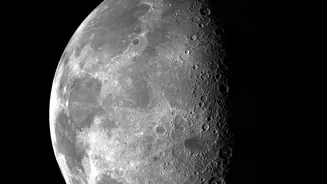
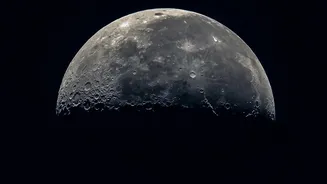
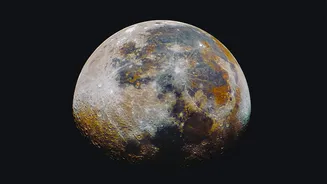
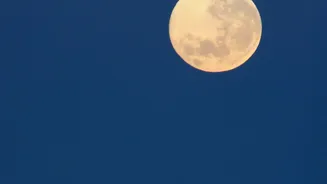
Anyone looking at the full Moon can see dark patches across its surface. These are the 'maria', or seas: vast, smooth plains of volcanic basalt. This familiar face, the near side, is starkly different from the hemisphere we never see. The far side is rugged,
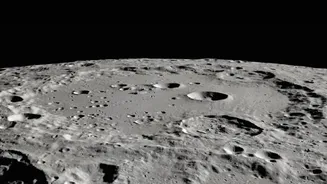
heavily cratered, and has a much thicker crust, with very few maria. This stark contrast, known as the lunar dichotomy, has puzzled scientists since the Soviet Luna 3 probe first photographed the far side in 1959. The key questions have always been why the crust is so much thicker and why volcanic activity was so much more prevalent on the near side.
Previous Theories and Lingering Questions
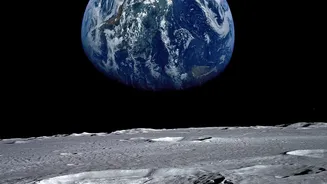
Scientists have proposed several explanations over the decades. One popular theory involves the giant impact that formed the Moon. This hypothesis suggests that the collision left a greater concentration of heat-producing radioactive elements, like potassium and thorium, on the near side. This extra heat would have kept the near side's mantle molten for longer, fuelling the volcanism that created the maria. Another idea points to Earth itself. Early in its history, the Moon was much closer to a still-molten Earth, and the intense heat from our planet could have kept the near side warmer, thinning the crust. However, without physical samples from the far side, these ideas remained unproven theories.
A Groundbreaking Clue from Chang'e-6
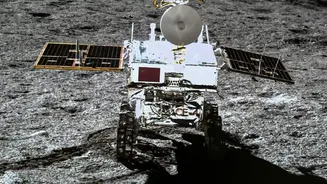
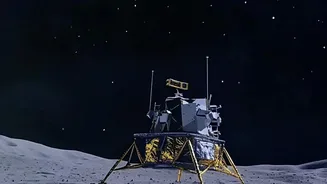
The game changed with China's Chang'e-6 mission, which successfully returned the first-ever rock and soil samples from the Moon's far side in 2024. The probe landed in the South Pole-Aitken basin, an enormous and ancient impact crater that is one of the most significant features on the Moon. For the first time, researchers could directly compare the chemical makeup of rocks from both hemispheres. A team led by Professor Hejiu Hui of Nanjing University conducted detailed geochemical analyses of these precious samples and compared them with near-side materials from the Apollo and previous Chang'e missions.
A New Model of Lunar Formation
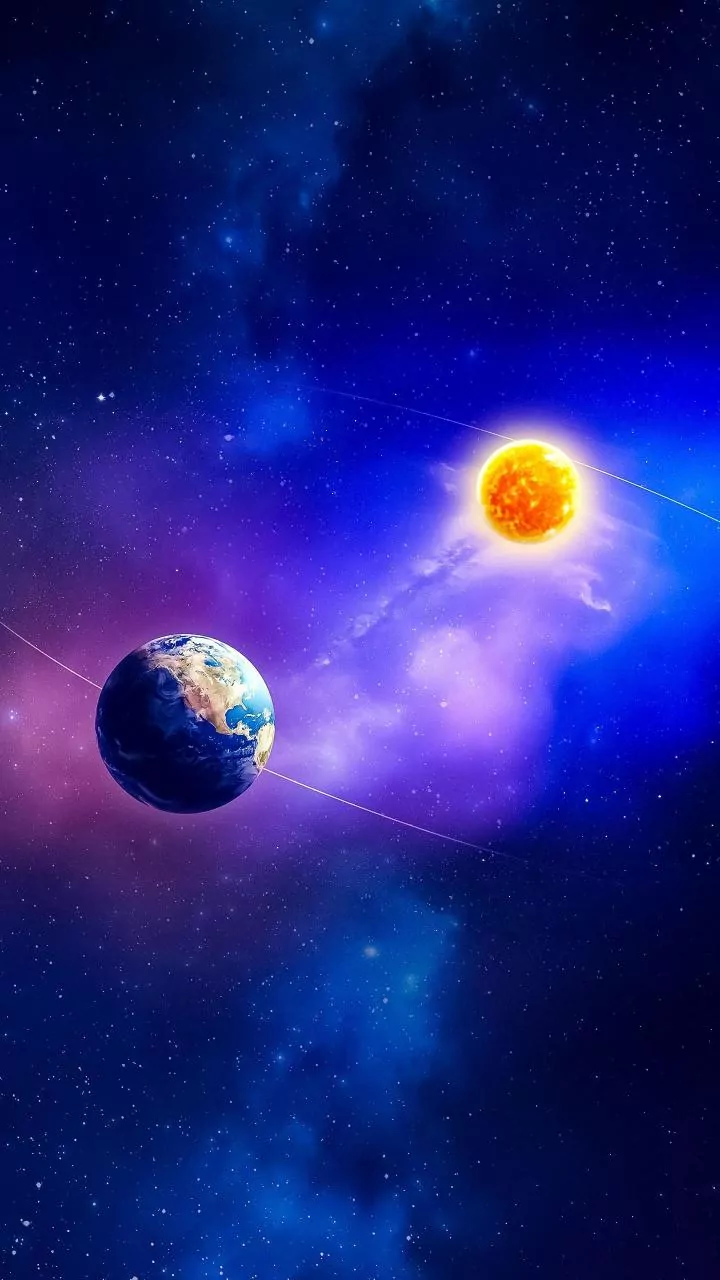
The analysis revealed a fascinating story. The new theory suggests the asymmetry was established after the Moon became tidally locked with Earth, but while it still had a global ocean of magma. The tidal pull and heat from Earth created a thermal imbalance. This triggered a massive, slow-moving current—a lateral convection—within the lunar magma ocean. This current effectively pushed lighter, crust-forming materials (like anorthosite) toward the far side, piling them up to create the thicker crust we see today. Simultaneously, it concentrated the remaining residual melts, which were rich in elements that promote volcanism, toward the near side. This explains both the thicker far-side crust and the vast volcanic plains that define the near side.
Why This Asymmetry Matters
Solving the mystery of the lunar dichotomy does more than just answer a long-standing question about our nearest celestial neighbour. It provides a crucial window into the early history of the solar system and the fundamental processes of planetary formation. Since Earth's own geological history has been erased by billions of years of tectonics and erosion, the Moon serves as a preserved artefact of how rocky bodies form and evolve. Understanding how impacts, tidal forces, and internal heating shaped the Moon helps scientists refine their models for how Earth itself, and other planets in our solar system and beyond, came to be. The Chang'e-6 samples have provided a key piece of the puzzle, forcing a rethink of theories developed over the last 50 years.