








1. Fortify Your Health Defences
The monsoon is prime time for water-borne and vector-borne diseases. Your first line of defence is caution. Always drink boiled or filtered water. Avoid street food, especially items that are uncooked or have been sitting out, like chutneys and pre-cut
salads. These can be breeding grounds for bacteria. To ward off mosquito-borne illnesses like dengue and malaria, ensure there's no stagnant water around your home—check plant pots, air cooler trays, and open containers. Use mosquito repellents and nets, especially during dawn and dusk. Boosting your immunity with a diet rich in Vitamin C (citrus fruits, amla, bell peppers) can also give your body the strength it needs to fight off common colds and infections.
2. Safeguard Your Home from Dampness
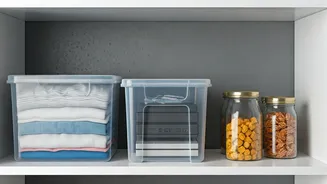
Dampness, mould, and that persistent musty smell are classic monsoon invaders. To keep them at bay, ensure your home is well-ventilated. Open windows for a few hours on dry, sunny days to let air circulate. Identify and fix any leaks in your roof or walls before the rains intensify. In wardrobes and closed cabinets, place moisture absorbers like silica gel packets or even camphor balls (naphthalene), which help absorb excess humidity and prevent fungal growth on clothes and leather goods. Wiping down walls and furniture with a solution of white vinegar and water can also help kill mould spores before they spread.
3. Master the Monsoon Commute
Navigating waterlogged streets is a major monsoon challenge. If you’re driving, go slow to avoid aquaplaning and splashing water into your engine. Check your tyre treads and brakes before the season starts. If you encounter a heavily flooded road, it's safer to find an alternative route than risk stalling your vehicle. For those on foot, invest in a sturdy pair of rubber or waterproof footwear with good grip to avoid slips and protect your feet from dirty water, which can cause fungal infections like Athlete's Foot. Always wash your feet with soap and dry them thoroughly after returning home.
4. Protect Your Electronics and Power Supply
Power cuts and voltage fluctuations are common during heavy rains and storms. A surge protector is a small but wise investment to shield your expensive electronics—like your TV, refrigerator, and computer—from sudden power spikes. Keep your essential gadgets, like your phone and power bank, fully charged. It's also a good idea to have an emergency kit ready with a torch, extra batteries, and candles. Avoid using electrical appliances with wet hands and unplug devices during a thunderstorm to prevent damage from lightning strikes.
5. Care for Your Wardrobe and Skin
Getting clothes to dry during the monsoon can feel impossible. Try to wash smaller loads more frequently. After the spin cycle, hang them near a fan or in a well-ventilated room, ensuring there's space between each item for air to pass. Ironing clothes when they are slightly damp not only removes creases but also helps kill any remaining bacteria and moisture. Your skin also needs extra attention. The humidity can lead to oily skin and breakouts. Use a gentle, non-comedogenic cleanser and a light, water-based moisturiser. Fungal infections are common, so keep skin folds dry and wear breathable cotton fabrics instead of synthetic ones.