








The Problem with Panic
The single most important factor in a successful aircraft evacuation is passenger compliance. A ticking clock, far from being helpful, would likely induce widespread panic. Psychological studies show that countdowns create a sense of urgency that can
impair clear thinking and decision-making. In an emergency, the goal is for passengers to remain calm, listen to the cabin crew, and follow instructions precisely. A loud, visible timer would achieve the opposite, encouraging a frantic rush that could block aisles, cause injury, and impede an orderly evacuation, which regulations require to be possible in 90 seconds or less.
Every Emergency is Unique
There is no one-size-fits-all emergency in aviation. A situation could range from a slow cabin depressurisation, giving pilots ample time to descend, to a sudden engine issue on takeoff requiring immediate action. What would a countdown even time? The seconds until impact? The time until cabin pressure is critical? An arbitrary timer provides no useful information because the nature of the threat is dynamic. A pilot's job is to manage a complex, evolving situation, not race against a clock. Their training focuses on diagnosing and solving the problem, a process that a simplistic countdown would only distract from.
Pilots Must Fly the Plane
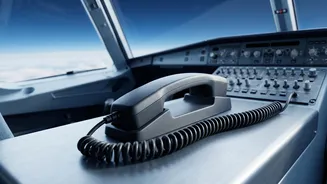
The absolute, non-negotiable priority in any aircraft emergency is summed up by a simple mantra: Aviate, Navigate, Communicate. First and foremost, the pilots must fly the aircraft and maintain control. Only after the plane is stable do they focus on determining their location and a safe course of action (Navigate). Finally, they communicate with air traffic control and the cabin. Introducing a countdown timer into the cockpit would be a dangerous distraction, pulling the pilots' focus from their primary, life-saving task of flying the plane. Studies of past accidents have shown that even minor distractions can lead to pilots losing awareness of their flight status with tragic results.
The Human System: Your Cabin Crew
Airliners do have a highly sophisticated, adaptable, and intelligent emergency management system: the cabin crew. Flight attendants are not on board primarily to serve drinks; they are certified safety professionals who undergo rigorous and continuous training for a vast array of emergencies. They are trained to be the human interface in a crisis, providing clear, assertive instructions and managing passenger behaviour. They assess the situation in real-time, check if exits are safe to open, and guide passengers out. This dynamic, human-led process is far more effective and reliable than a rigid, automated countdown could ever be.
Focus on Solutions, Not Endpoints
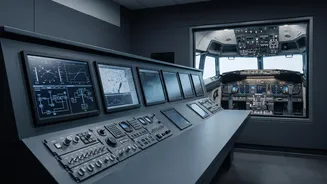
A countdown timer inherently focuses everyone on a single, potentially catastrophic endpoint. In aviation safety, the entire philosophy is geared toward preventing that endpoint. Aircraft are built with incredible redundancy, with backup systems for nearly every critical function. Pilot training in simulators is relentless and realistic, covering everything from engine failures to fires and medical emergencies, ensuring responses are practically instinctual. The focus is always on using the aircraft's capabilities and the crew's expertise to find a safe resolution, such as diverting to a nearby airport. A survival countdown suggests that the outcome is fixed, when the entire system is designed to change it.