





What is the 'No PUC, No Fuel' Rule?
The 'No PUC, No Fuel' rule is a government mandate designed to reduce vehicular pollution. Effective from October 1, 2026, across the entire National Capital Region (NCR), fuel stations are directed to refuse petrol, diesel, or CNG to any vehicle that
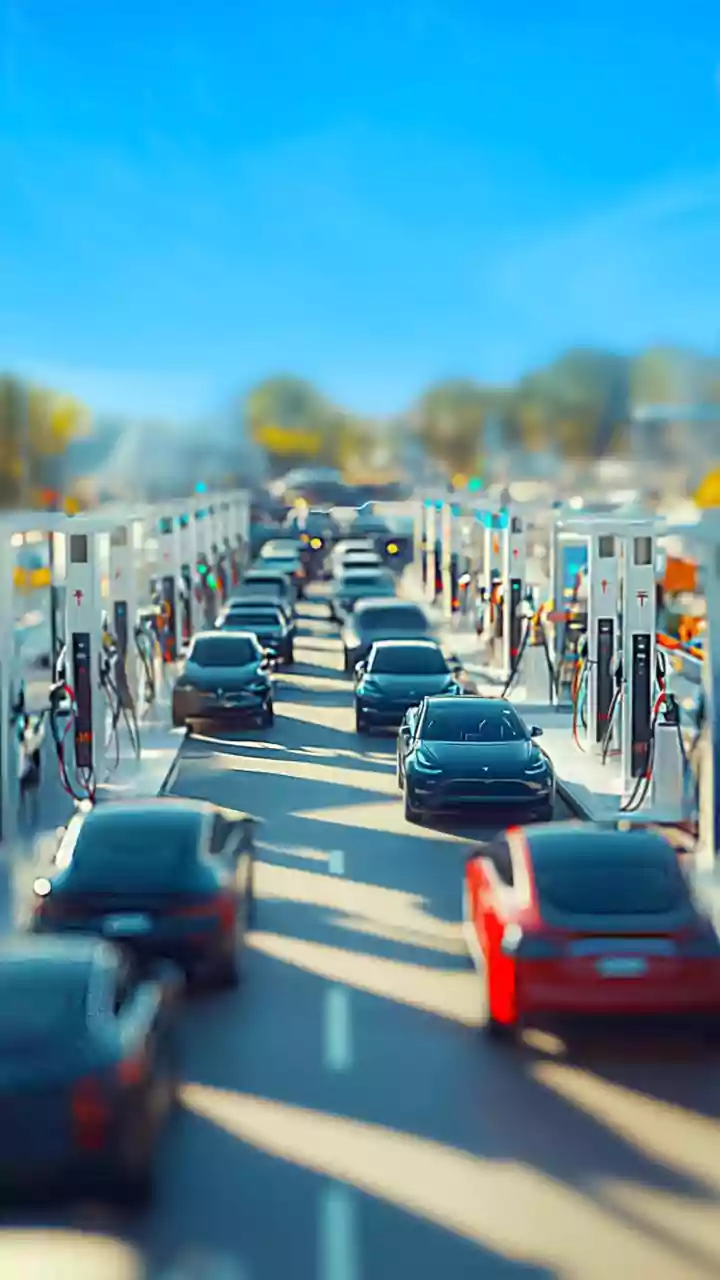
does not have a valid Pollution Under Control (PUC) certificate. This initiative, driven by the Commission for Air Quality Management (CAQM), expands and intensifies a system that was already partially active in Delhi. Many fuel stations are being equipped with Automatic Number Plate Recognition (ANPR) cameras that check your vehicle's registration number against a central database to verify its PUC status before refuelling is permitted.
Understanding the PUC Certificate
A Pollution Under Control (PUC) certificate is a mandatory document confirming that a vehicle's emissions are within the government-prescribed standards. Every vehicle, including those running on petrol, diesel, CNG, and LPG, is required to have a valid PUC certificate after one year from its initial registration date. The only exceptions are electric vehicles, which have zero tailpipe emissions. The PUC test measures pollutants like carbon monoxide and hydrocarbons to ensure your vehicle is not contributing excessively to air pollution. This certificate is also essential for renewing your vehicle's insurance policy.
How to Get Your PUC Certificate
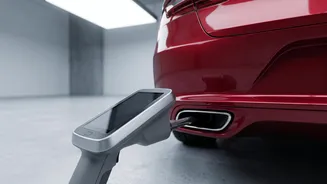
Obtaining a PUC certificate is a straightforward process. You must take your vehicle to an authorised emission testing centre. These are commonly found at petrol pumps, RTO offices, and authorised service workshops across the city. At the centre, a technician will use specialised equipment to analyze your vehicle's exhaust emissions. The process usually takes about 10-15 minutes. If your vehicle's emissions are within the permissible limits, you will be issued a PUC certificate on the spot after paying the requisite fee. While the test itself is offline, you can download a digital copy of an existing, valid certificate from the official Parivahan portal.
Cost and Validity of the Certificate
The cost of a PUC test was revised in Delhi after more than a decade. The current charges are approximately Rs. 80 for two and three-wheelers, Rs. 110 for four-wheeled petrol/CNG vehicles, and Rs. 140 for diesel vehicles. The validity period of the certificate varies. For new vehicles, the first PUC certificate is valid for one year. For vehicles compliant with BS-IV or BS-VI emission standards, the renewed certificate is also valid for 12 months. For all other older vehicles, the certificate must be renewed every six months.
Penalties for Non-Compliance
The consequences of not having a valid PUC certificate are significant. Apart from being denied fuel at the pump, you are liable for a hefty fine. Under the Motor Vehicles Act, driving without a valid PUC certificate can attract a fine of up to ₹10,000. In some cases, it can also lead to imprisonment for up to three months or suspension of your driver's license. With the enforcement now automated at many fuel stations, avoiding the rule has become nearly impossible. It is far simpler and more economical to keep your vehicle's PUC certificate updated.
What if Your Vehicle Fails the Test?
If your vehicle fails the emission test, it means its pollution levels are above the legal limit. You will not be issued a PUC certificate. This serves as an indicator that your vehicle requires servicing. Common reasons for failing a PUC test include a clogged air filter, faulty spark plugs, or issues with the engine's fuel system. You will need to take your vehicle to a mechanic to get the necessary repairs done. After the repairs, you must take it back to the testing centre to be re-tested and obtain your certificate.