



What Exactly Are 'Damp Corners'?
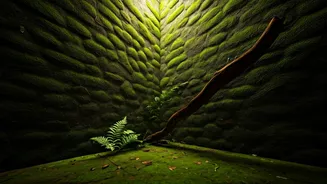
First, let's be clear: this trend is not about celebrating actual mould or water damage. Instead, 'damp corners' is a vibe. It’s the visual essence of a misty forest floor, an ancient library, or an overgrown forgotten garden. This aesthetic is part of a larger
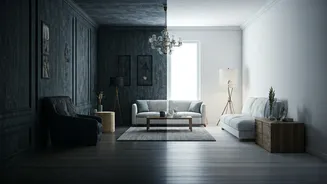
movement away from stark minimalism and towards more layered, personal, and nature-infused spaces. Think of it as the moody cousin to the sunnier 'cottagecore'. While cottagecore romanticises a rural idyll of baking and pastels, this look embraces the darker, wilder parts of nature. It finds beauty in things that are traditionally not seen as perfect: moss, fungi, tangled vines, and the quiet gloom of a dense wood. The core idea is to create a sanctuary that feels ancient, calming, and deeply connected to the earth.
The Roots of This Moody Aesthetic
This style didn't emerge from a vacuum. It’s a natural evolution of several online aesthetics like 'goblincore' and 'forestcore'. Goblincore celebrates the so-called 'ugly' parts of nature—like snails, mud, and mushrooms—while forestcore focuses on woodland imagery, earthy tones, and a deep appreciation for the outdoors. Both aesthetics push back against the curated perfection often seen on social media, favouring authenticity and a more 'feral' connection to nature. The 'damp corners' look takes these ideas and translates them into a sophisticated interior design language. It swaps the overt fantasy elements for a more grown-up, atmospheric approach that feels both mystical and liveable.
The Psychology of Imperfection
So why is this look gaining traction now? For many, it's a welcome antidote to years of pressure to maintain flawless, showroom-like homes. The trend aligns with the Japanese philosophy of Wabi-Sabi, which finds beauty in imperfection and impermanence. Embracing weathered wood, handcrafted items, and materials that show their age adds a sense of history and soul to a space. In a world that often feels chaotic and overly polished, creating a home that feels like a peaceful, natural retreat has immense appeal. This aesthetic is a form of biophilic design, which is the practice of connecting our built environments with nature to improve well-being. Studies have shown that being around natural elements, even just visually, can reduce stress and enhance mood.
How to Cultivate the Look (Without the Damp)
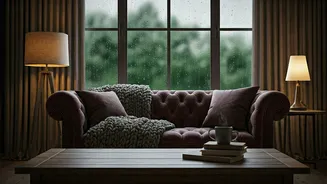
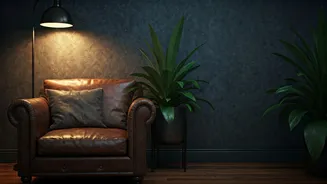
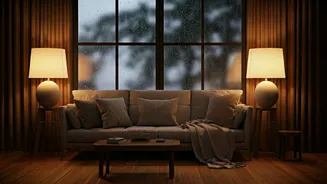
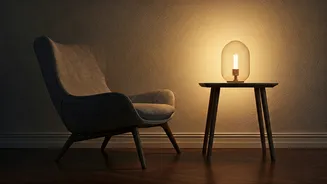
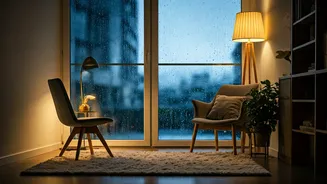
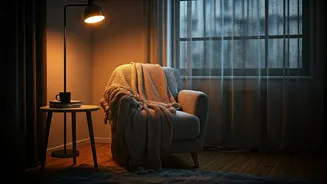
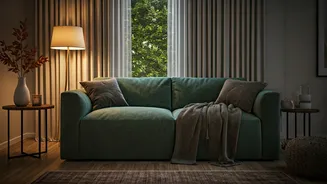
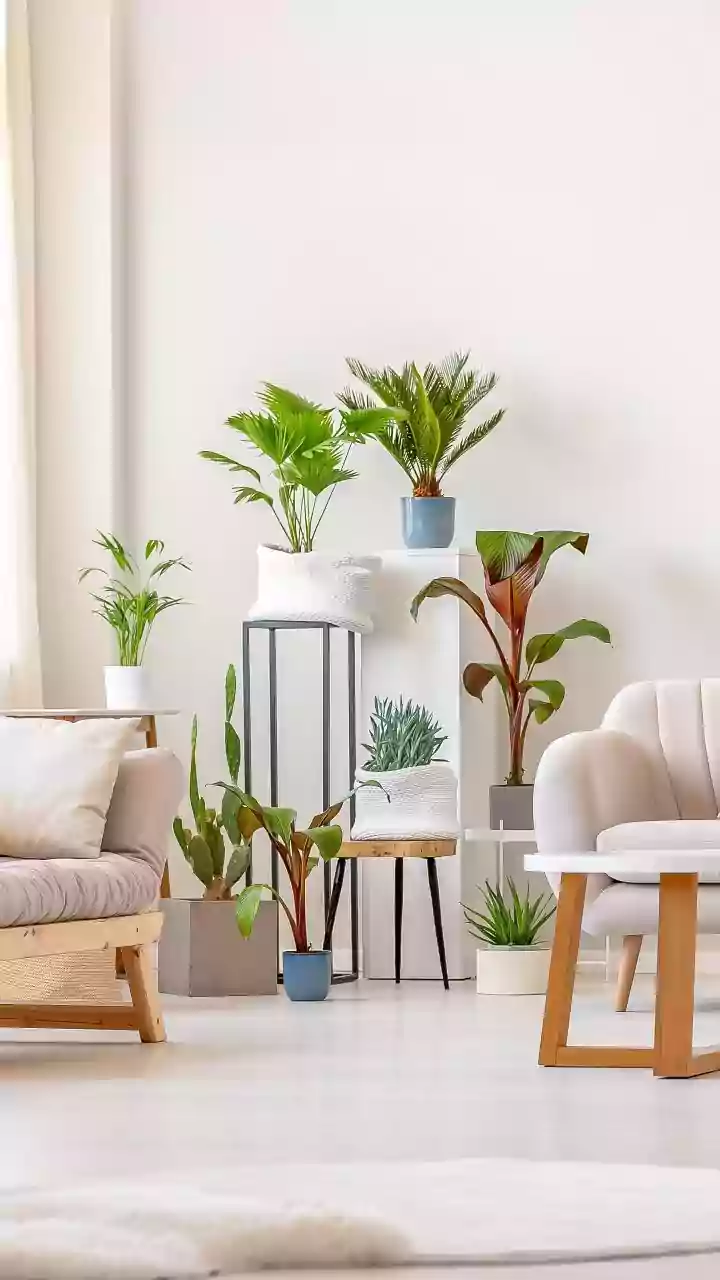
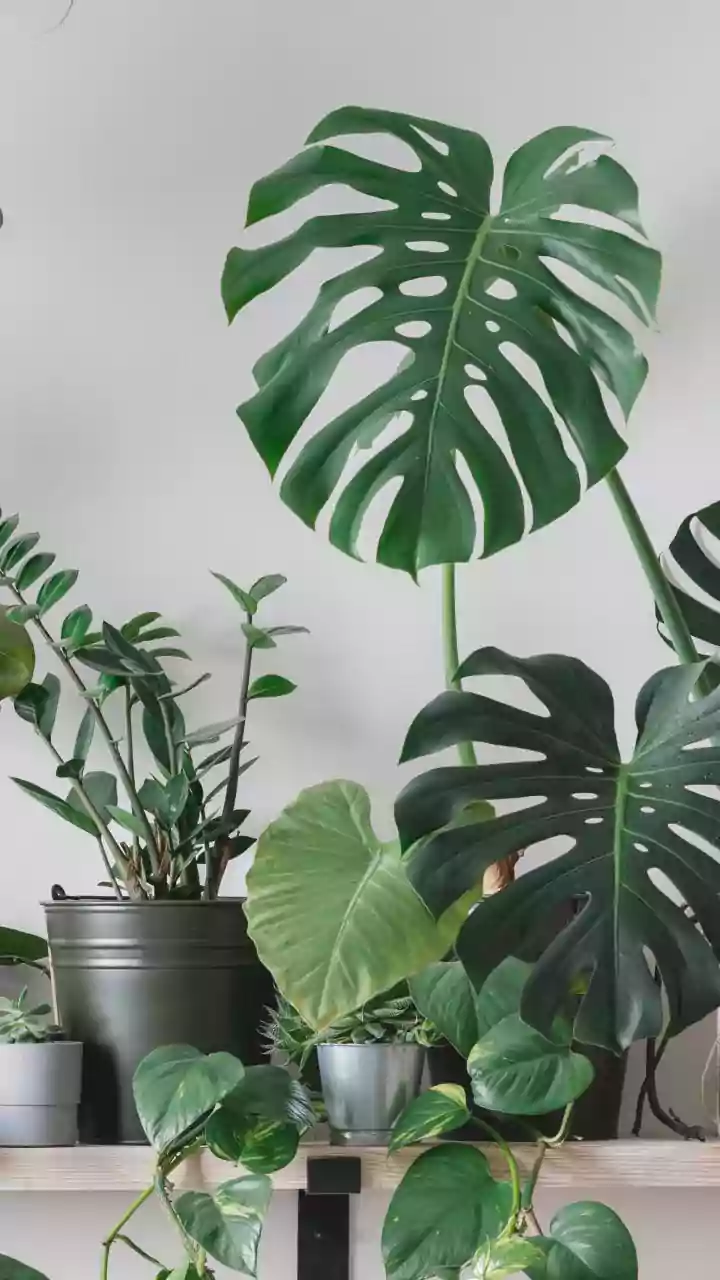
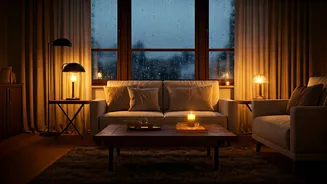
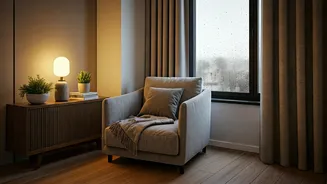
Ready to let a little bit of the enchanted forest into your home? You don’t need a leaky roof to get the look. Start with the colour palette: deep moss greens, earthy browns, charcoal greys, and muted, mushroom-inspired beiges create a cozy, forest-like atmosphere. Layering textures is key. Think of the forest floor: there's soft moss, rough bark, and smooth stones. In your home, this translates to mixing velvet upholstery, chunky knit blankets, natural wood furniture, and perhaps a jute rug. Greenery is non-negotiable, but it doesn't have to be high-maintenance. Preserved moss art is a popular choice, offering a lush, green focal point without needing water or sunlight. Terrariums, botanical prints, and collections of natural objects like interesting stones or branches also fit perfectly. Finally, lighting is crucial for creating that moody ambiance. Aim for multiple, soft light sources like table lamps, wall sconces, or even candlelight to create a warm, enveloping glow instead of harsh overhead light.