



The Classic Mahabaleshwar-Panchgani Circuit
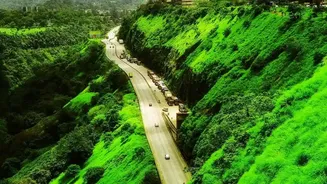
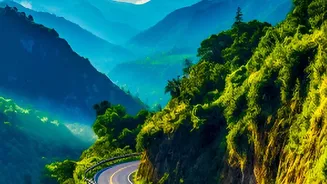
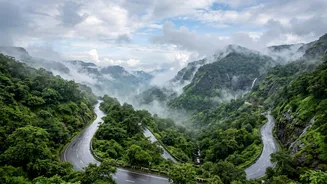
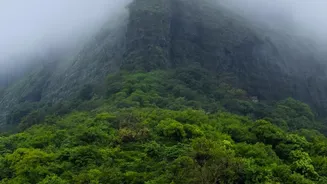
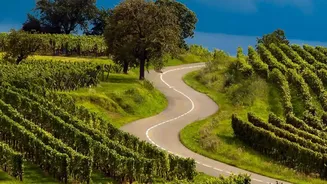
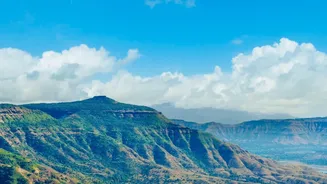
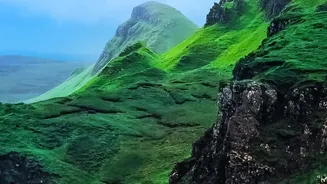
This is arguably the most famous monsoon drive in the region, and for good reason. The road connecting the twin hill stations of Mahabaleshwar and Panchgani is a delight, offering stunning valley views that are often shrouded in dramatic fog. During the rains,
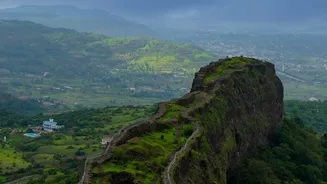
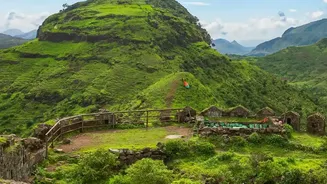
the route is less about speed and more about soaking in the atmosphere. Key stops include Parsi Point and Sydney Point in Panchgani, which provide panoramic vistas of the Dhom Dam backwaters and the lush Krishna Valley. The drive itself is lined with viewpoints like Kate's Point and Elephant's Head Point, where rock formations take on curious shapes against the backdrop of the Sahyadris. While popular, a weekday trip can help you avoid the crowds. Don’t forget to stop at Mapro Garden for their famous strawberry cream, even if strawberries aren't in season; the cosy ambience is a treat in the cool, wet weather.
The Kaas Plateau and Thoseghar Falls Loop
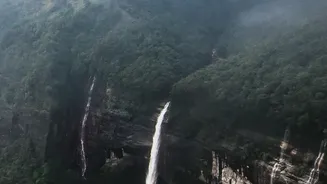
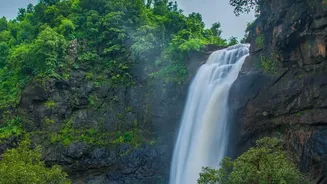
For a journey that combines natural wonders, the drive from Satara to the Kaas Plateau is unparalleled. While the famed 'Valley of Flowers' is at its peak bloom in September, just after the heaviest rains, the drive there during July and August is a spectacle in itself. The plateau becomes a lush green carpet, and the entire region is alive with countless streams and cascades. The road is quieter, offering serene views of Kaas Lake and the surrounding hills. A highly recommended detour from Kaas is the route to Thoseghar Waterfalls. Located about 20 km from Satara, this series of waterfalls, including one with a drop of 200 metres, is at its most powerful during the monsoon. The drive takes you through Chalkewadi Windmill Farm, where giant turbines rotating amidst low-hanging clouds create a surreal and captivating landscape.
The Journey to Tapola, Maharashtra's 'Mini Kashmir'
About 25 km from Mahabaleshwar lies the serene hamlet of Tapola, often called the 'Mini Kashmir' of Maharashtra for its stunning Shivsagar Lake, which is the backwater of the Koyna Dam. The drive to Tapola is narrow and winding, demanding careful attention, but the rewards are immense. The road cuts through dense forests that are often blanketed in thick fog, opening up to breathtaking, unobstructed views of the Koyna valley. During the monsoon, the journey is dotted with unnamed waterfalls and lush greenery. Once you arrive, the calm expanse of the lake offers activities like boating, or you can simply find a spot to enjoy the tranquillity. The area is also the base for treks to historic forts like Vasota and Jaygad, for the more adventurous.
Essential Tips for a Safe Monsoon Drive
Driving in the ghats during monsoon requires extra caution. Before you start, ensure your vehicle is ready for the journey: check your tyres for adequate tread, test your brakes, and make sure your wipers are functioning perfectly. Visibility can drop to near-zero in heavy rain and fog, so use your low beams and fog lamps appropriately, and never hesitate to pull over to a safe spot if conditions become too challenging. Wet roads are slippery, increasing your braking distance. Reduce your speed, avoid sudden acceleration or hard braking, and maintain a safe distance from the vehicle ahead. Be especially wary of landslides, a known hazard in the Western Ghats during heavy rainfall. Always check local weather forecasts and road conditions before you leave, as some routes, particularly smaller village roads, may be closed due to overflowing lakes or landslides.