





The Antidote to Vacation Burnout
A micro-retreat is a short, intentional break from your daily routine, designed to help you rest, reflect, and recharge. Unlike a frantic weekend trip packed with sightseeing, this is about carving out dedicated time—from a half-day to two or three nights—for
yourself. It could be a solo day trip to a nearby nature spot, a quiet overnight stay in a neighbouring town, or even a structured at-home experience where you intentionally unplug. The key is stepping away from your usual environment and responsibilities to give your nervous system a chance to shift from a state of constant stress to one of rest and recovery. It's less about the destination and more about the mindset of deep restoration in a short amount of time.
Why Shorter Can Be Sweeter
The thought of planning a long vacation—coordinating leave, booking flights, and managing a packed itinerary—can be stressful in itself. Micro-retreats eliminate this pressure. They are easier to plan, often requiring minimal coordination and allowing for spontaneity. Because they are shorter, they are also significantly more affordable, saving money on accommodation and other expenses that add up on a longer trip. Studies suggest that the happiness boost from a vacation fades quickly regardless of its length, but the anticipation of a trip provides a longer mood lift. Taking several small retreats throughout the year can therefore lead to more sustained happiness than one big annual holiday. The goal is to return home feeling genuinely refreshed, not more tired than when you left.
Embracing the Local Scene
A core component of the micro-retreat is immersing yourself in local experiences. This isn’t about ticking off famous monuments from a checklist. Instead, it’s about connecting with a place on a deeper level. In India, the opportunities are endless, from exploring the vibrant markets of Jaipur to cruising the tranquil backwaters of Kerala or finding peace in a Kumaoni village. Engaging in community-based tourism, such as staying with local families, joining a village walk, or learning traditional cooking, offers a more authentic and meaningful experience. These activities not only enrich your journey but also support local economies directly. Choosing a spice plantation stay in the Western Ghats or joining a Pashmina trail in Ladakh provides a unique cultural insight that a conventional hotel stay rarely offers.
Relaxation on a Realistic Budget
The flexible nature of micro-retreats makes them inherently budget-friendly. By choosing nearby destinations, you slash transportation costs. Opting for a homestay or a simple guesthouse over a luxury hotel can provide a comfortable and affordable base. Many powerful retreat activities cost little to nothing: journaling in a park, taking a long walk in nature, meditating, or enjoying a home-cooked meal with intention. If you’re planning a DIY retreat at home, you can create a spa-like atmosphere with scented candles, calming music, and nourishing food without spending much at all. The focus is on the quality of your rest and the intention you bring to it, proving that you don't need to spend a fortune to achieve a state of deep relaxation.
Designing Your Perfect Micro-Break
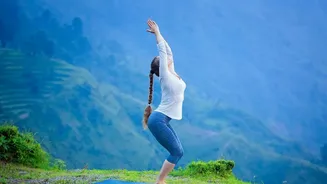
Planning your own micro-retreat starts with defining your intention. Do you need quiet solitude, creative inspiration, or a digital detox? First, choose a location. This can be as simple as your own home with boundaries set, a local park, or an Airbnb a short drive away. Next, anchor your retreat around a few simple activities. This might include morning yoga, a long hike, journaling, a cooking session, or simply reading without distraction. It’s important to treat this time as sacred—put it in your calendar, inform others that you will be unavailable, and resist the urge to check work emails. The goal is to create a structure that feels nourishing, not rigid, allowing you to disconnect from the outside world and reconnect with yourself.