



Understanding 'Low Light'
First, let's clarify what 'low light' actually means for a plant. It doesn’t mean a windowless room or a dark corner that never sees the sun. A spot is considered low-light if it's several feet away from a window, receives no direct sun, or is near a north-facing
window. A good test is if you can comfortably read a book in the spot during the day without artificial light. Many popular houseplants can survive in these conditions, but they won't thrive without the right care. Signs that a plant isn't getting enough light include leggy, stretched-out stems, new leaves that are smaller and paler than old ones, and a general lack of growth during spring and summer.
The Golden Rule: Water Less
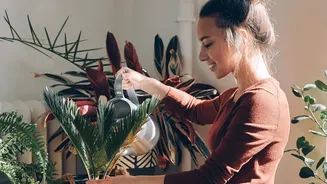
The most common mistake with low-light plants is overwatering. Since these plants receive less energy from the sun, their growth slows down, and they use water much more slowly. A plant in a dim corner simply isn't as thirsty as one basking in bright, indirect light. Continuing to water on a frequent schedule can lead to root rot, which is often fatal. The best strategy is to always check the soil before you water. Push your finger about an inch or two into the soil; if you feel any moisture, wait a few more days before watering. It's always safer to underwater a low-light plant than to overwater it.
Other Simple Care Essentials
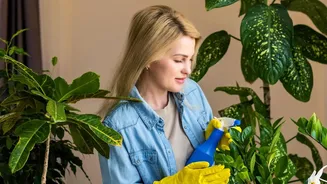
Beyond watering, a few other minor adjustments can make a big difference. First, keep the leaves clean. Dust can accumulate and block what little light the plant is getting, so gently wipe the leaves with a damp cloth every few weeks. Second, limit fertiliser. Plants in low light are growing slowly and don't need many extra nutrients. Fertilising once in the spring and once in the summer is usually plenty. Finally, rotate your plant a quarter turn every time you water. This encourages even growth and prevents it from leaning dramatically toward the light source.
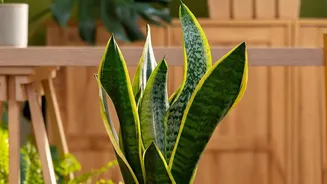
Top Pick: The Snake Plant
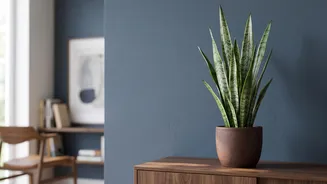
The Snake Plant (Sansevieria trifasciata) is a champion of low-light survival. Its stiff, upright leaves are architectural and modern, and it is famously drought-tolerant. This plant is so resilient because it stores water in its leaves. For care, let the soil dry out completely between waterings. In low light, this could mean watering as infrequently as once every 4-8 weeks, especially in winter. It is one of the easiest plants to own and is perfect for beginners or those with busy schedules.
Top Pick: The ZZ Plant
The ZZ Plant (Zamioculcas zamiifolia) is another nearly indestructible option that thrives on neglect. Its wide, waxy, dark green leaves look polished and healthy even in very dim conditions. The plant grows from large, potato-like rhizomes that store water, making it extremely drought-tolerant. Like the Snake Plant, the ZZ Plant's biggest enemy is too much water. Allow the soil to dry out completely, which might mean watering only once every three to four weeks. It tolerates extremely low light and requires almost no special care.
Top Pick: The Pothos
Known as Devil's Ivy, Pothos (Epipremnum aureum) is a versatile and fast-growing trailing plant that adapts well to lower light. While its variegation might be less pronounced in a dim spot, it will continue to produce new leaves and cascade beautifully from shelves or hanging baskets. Pothos is also very communicative; its leaves will visibly droop when it's thirsty, taking the guesswork out of watering. Water thoroughly when the top inch or two of soil is dry, and it will quickly perk back up. Its adaptability makes it a fantastic choice for nearly any room in the house.