
More Than Just Garba Gear
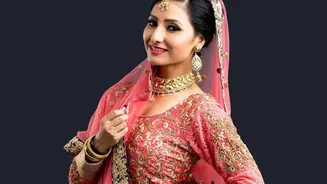
The Chaniya Choli, a three-piece outfit comprising a flared skirt, a blouse, and a dupatta, has long been the heart of Navratri celebrations. Its vibrant colours and flowing silhouette are perfectly suited for the energetic Garba and Dandiya dances. However,
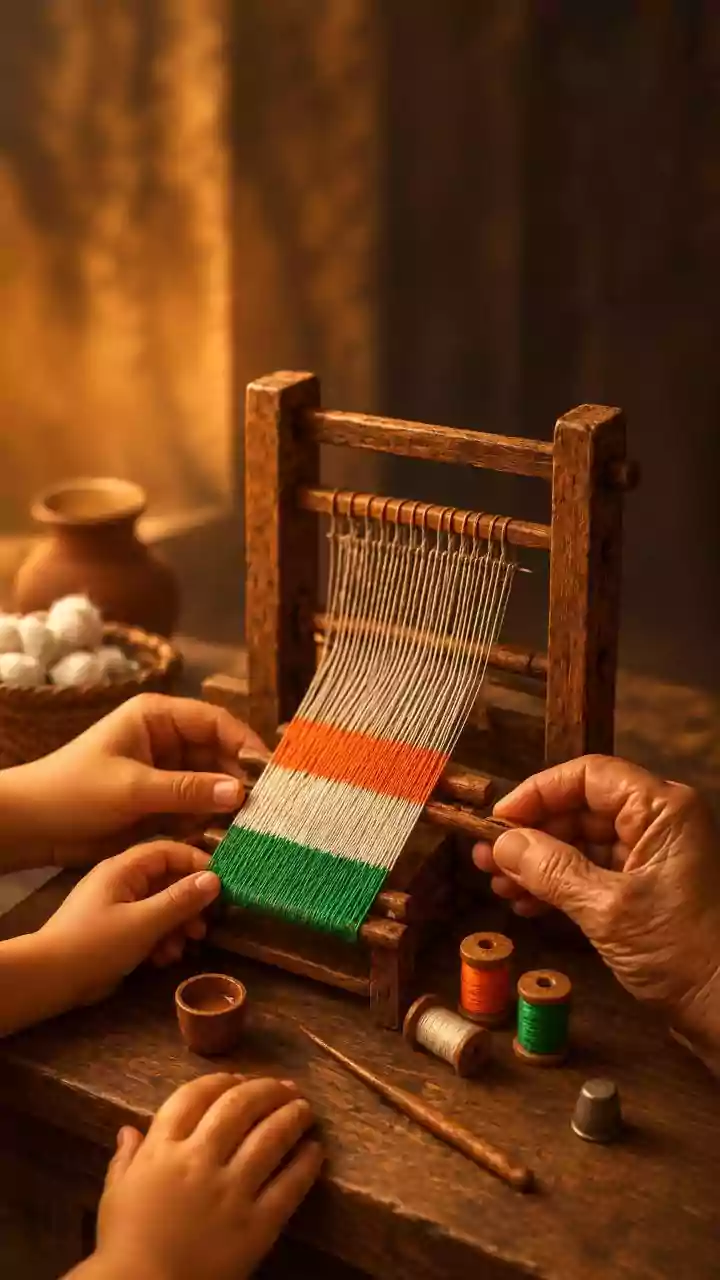
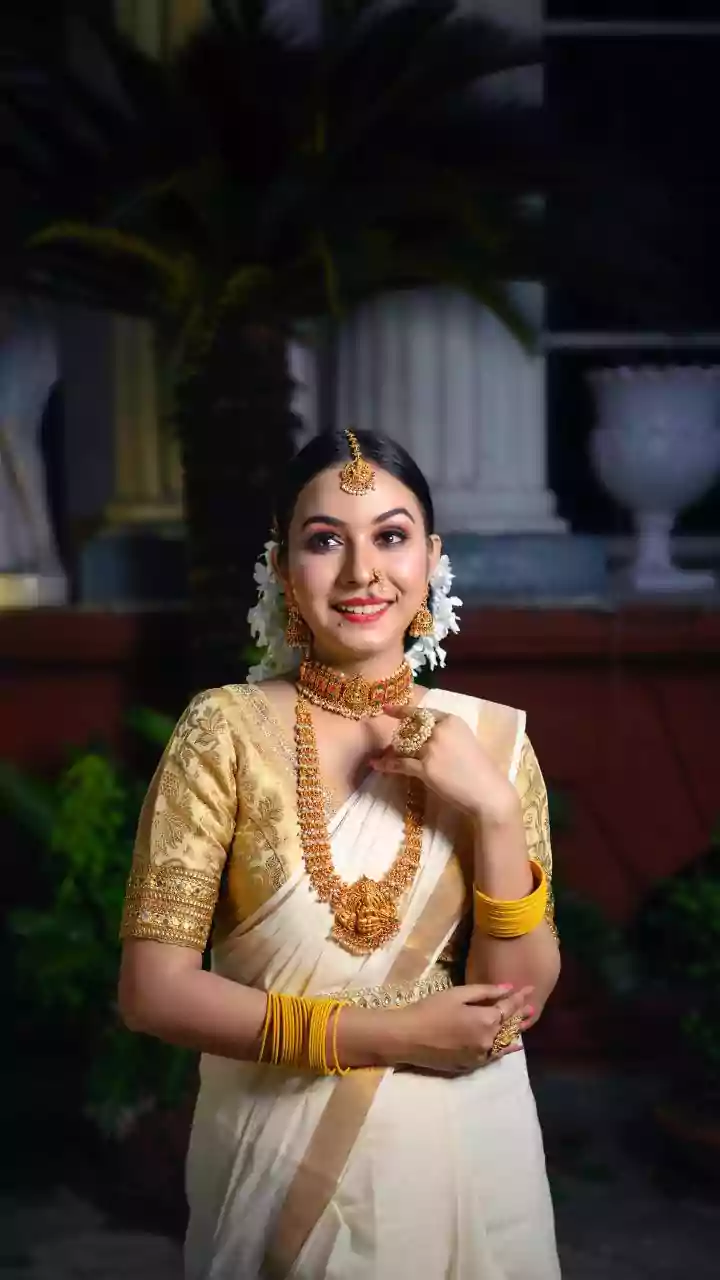
these iconic garments have gracefully danced their way out of the Navratri circle and into the mainstream festive wardrobe. Today, the influence of Gujarati craftsmanship is visible at weddings, pujas, and other celebrations, embraced for its joyful aesthetic and rich cultural storytelling. This move from seasonal to staple reflects a broader trend: a collective turning away from mass-produced synthetics towards authentic, handcrafted textiles that feel both personal and precious.
The Anatomy of Timeless Appeal
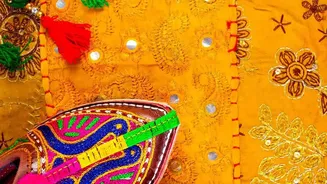
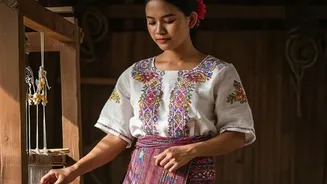
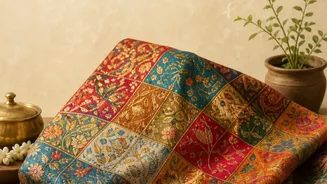
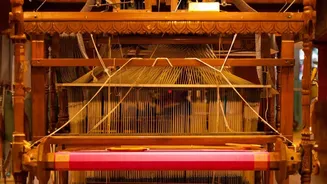
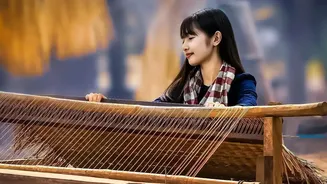
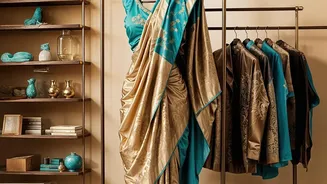
So, what makes these outfits so captivating? It starts with the textiles. Gujarat is home to a treasure trove of weaving and dyeing techniques. Bandhani, the meticulous art of tie-dye, creates mesmerising dotted patterns on silks and cottons. Patola, a double-ikat woven silk from Patan, is prized for its geometric precision and rich colour palette, a process so complex it can take months to create a single saree. Then there is the embroidery of the Kutch region, a diverse family of needlework traditions. Kutchi embroidery is renowned for its use of mirrors (abhla), which are stitched into the fabric, not glued, and are believed to ward off evil spirits while adding a distinctive sparkle. These elements—vibrant dye work, masterful weaving, and intricate, meaningful embellishments—give Gujarati attire its unique character.
Old Crafts, New Expressions
Modern designers are not simply copying these traditions; they are reinterpreting them. The classic Chaniya Choli is being deconstructed and reimagined. You might see a traditional, heavily embroidered ghagra paired with a contemporary crop top or a simple white shirt. The frock-like Kediyu, a traditional men's tunic, is inspiring the silhouettes of modern jackets and tops for women. Fabrics are also being updated. While traditional cottons remain a favourite for their breathability, especially for dancing, designers are experimenting with lighter silks, organzas, and Chanderis to give the outfits a more modern drape and feel. The colour palette is expanding too, moving beyond the classic reds and yellows to include pastels, deep wines, and monochromatic schemes.
A Craving for Authenticity and Story
This trend is not happening in a vacuum. It is part of a larger cultural shift towards slow fashion and conscious consumerism. In an age of fast-fashion, there is a growing desire for clothing that has a story and a soul. Handloom textiles and artisanal crafts offer a powerful connection to heritage and a sense of authenticity. Owning a piece of Bandhani or a garment with Kutchi embroidery is about more than just aesthetics; it's about appreciating the skill, patience, and generations of knowledge woven into its very fabric. This movement is about wearing a piece of history and supporting the artisan communities that keep these traditions alive.
From Gujarat to the 'Gram'
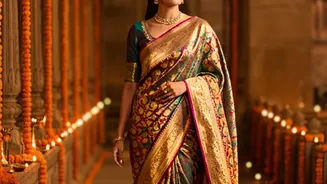
The rise of social media and the influence of Bollywood have acted as powerful amplifiers for this trend. Celebrities sporting stunning Patola sarees or modern Chaniya Cholis at weddings and film promotions instantly make these looks aspirational for millions. Fashion influencers showcase creative ways to style traditional pieces, like pairing a Bandhani dupatta with a simple kurta or using oxidised silver jewellery to complete a festive look. This digital exposure has introduced Gujarati textiles to a new generation and a global audience, cementing their status not just as traditional wear, but as high fashion.