
The Inspiration Trap
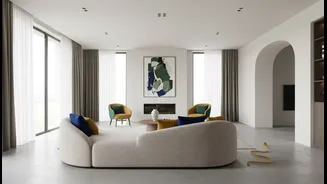
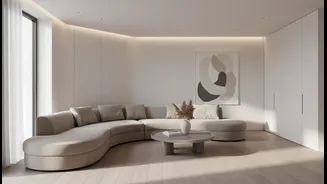
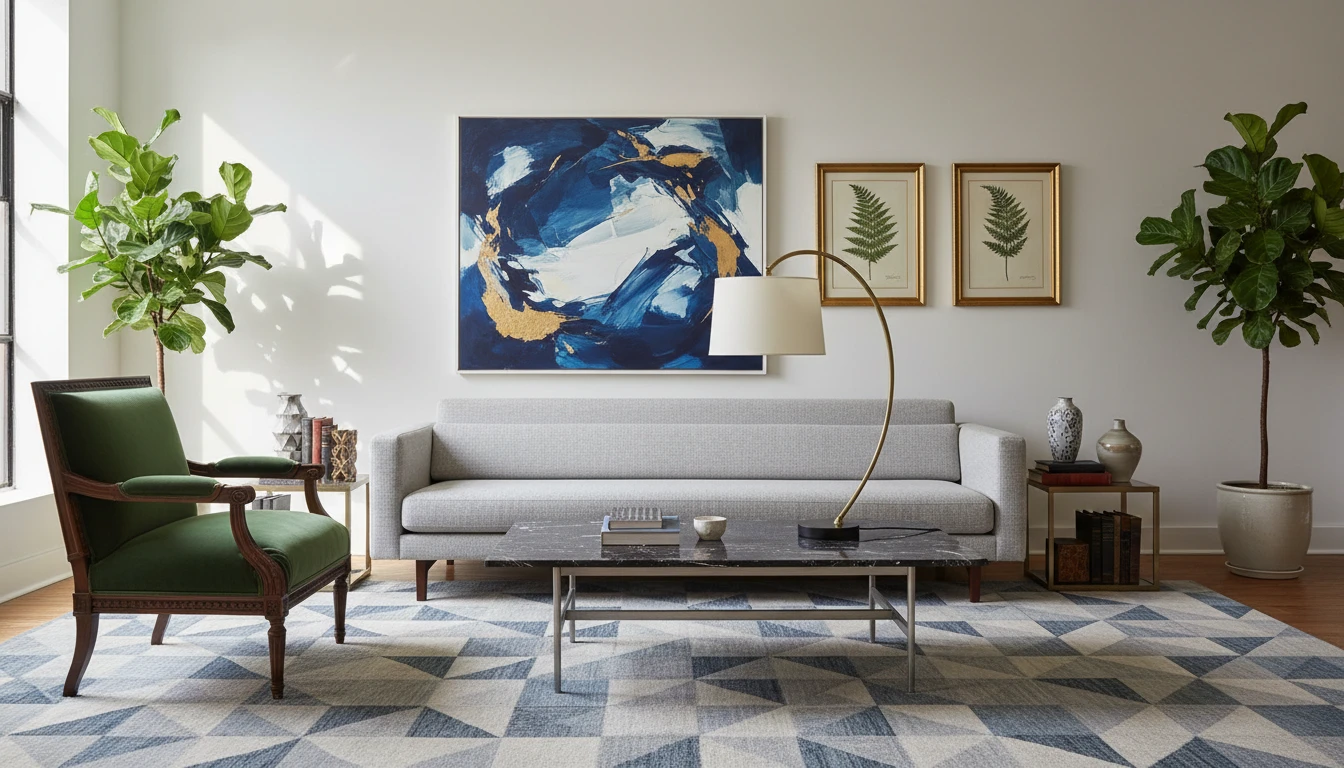
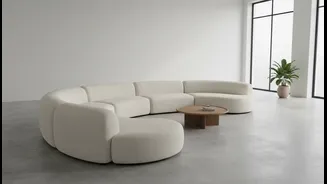
We’ve all been there. You see a stunning modular kitchen or a sprawling L-shaped sofa on Instagram and instantly think, “I want that.” The problem is that the image exists in a perfectly styled, often professionally designed vacuum. Your home, however,
has its own unique character—and its own unique constraints. Falling in love with an idea without knowing your home's physical reality is a classic renovation mistake. Professionals are often called in to fix situations where a beautiful but impractical design choice was made, leading to regret. Starting with inspiration alone sets you up for potential disappointment when that oversized furniture doesn’t fit or the layout feels cramped. It’s not about curbing your dreams, but about grounding them in reality so they can truly flourish.
Your Tape Measure Is Your Best Design Tool
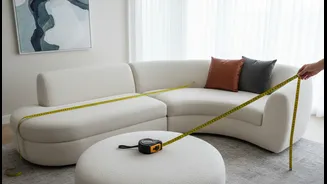
Think of a tape measure not as a boring chore, but as the most powerful tool in your design arsenal. It is the foundation upon which all good design is built. Professionals know that accurate measurements are the secret to creating a space that feels balanced, functional, and inviting. This simple act prevents costly mistakes, such as buying a beautiful wardrobe that blocks a window or a dining table so large you can't pull the chairs out. Getting the dimensions right is the key to mastering proportion and creating comfortable traffic flow. It's the difference between furniture that's just placed in a room and furniture that truly makes the room feel like a thoughtfully designed home. This foundational step informs every single decision that follows, saving you time, money, and frustration.
What to Measure: The Room Essentials
Measuring a room for interior design is more than just getting the length and width. To create a truly functional plan, you need to document the space in detail. Start by sketching a rough top-down view of the room. First, measure the wall-to-wall dimensions. Then, note the ceiling height—a detail many forget until a tall cabinet or headboard looks awkward in the space. Next, measure all the fixed architectural features. This includes windows (both their size and height from the floor), doorways, and any columns, niches, or permanent fixtures. Don’t forget to note the location of electrical outlets, switches, and vents, as these will affect furniture placement. Finally, for any doors in the room, measure their width and note which way they swing, as this can impact clearance.
Don't Forget the Journey In
One of the most common and heartbreaking mistakes is buying a piece of furniture that fits perfectly in your room but can't get through the front door. Many people forget to measure the 'delivery path'—the entire journey the item must take from the truck to its final destination. Before you buy anything large, measure the width and height of all entryways, including the main door and any interior doors it must pass through. Pay close attention to hallways, especially any tight corners or turns. If you live in an apartment or multi-storey house, measure the stairwell width and the ceiling height at its lowest point. A long sofa or a tall armoire might not be able to pivot on a tight stair landing, no matter how much you want it to. A piece of furniture you can't get into the room is a piece you don't own.
From Measurement to Magic
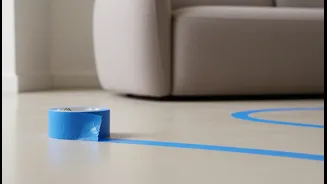
Once you have your numbers, the real fun begins. Armed with the exact dimensions of your space, you can return to your inspiration images with a new, smarter perspective. You can now filter your search for furniture that will actually fit, ensuring it is properly scaled to the room. When you talk to designers or salespeople, you can provide clear, accurate information. A good design is all about relationships between objects. Knowing your measurements ensures proper circulation and visual balance. Experts recommend leaving around 36 inches for major walkways and about 18 inches between a sofa and a coffee table for comfortable movement. Your measurements allow you to apply these principles effectively, turning your abstract inspiration into a concrete, workable, and beautiful plan.