





Beyond the Thermometer
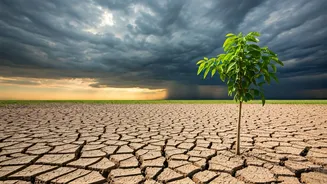
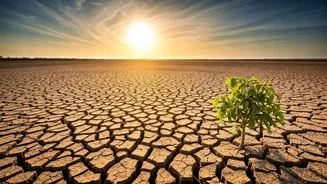
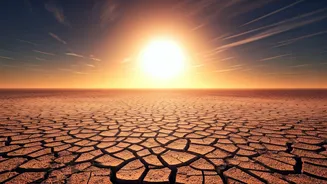
When we talk about a heatwave, the conversation usually revolves around numbers: 45°C, 47°C, another record broken. While these figures are alarming, they don't capture the full story. The real impact of extreme heat isn't just felt on our skin; it's
etched into our routines, our social fabric, and our economic realities. Treating heat as a mere meteorological event misses the bigger picture: it has become a defining condition of modern life, forcing us to adapt in ways both subtle and profound. The issue is no longer just about enduring a few difficult weeks, but redesigning our lives around a new, hotter baseline. This shift affects everything from worker productivity, which can drop by 2% for every degree increase in temperature, to the hidden costs on household budgets from higher electricity bills and healthcare needs.
The Remaking of the Indian Day
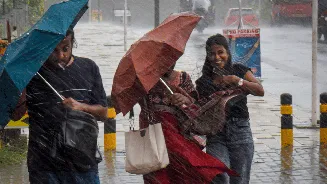
The rhythm of daily life is being re-choreographed by the sun. Across the country, people are instinctively shifting their activities to the cooler margins of the day. Streets that once buzzed with afternoon activity now lie quiet, while early mornings and late evenings are humming with life. This has led to changes in official schedules, with governments in states like Uttar Pradesh and Odisha altering school and work timings to reduce exposure during peak heat. Some schools have implemented hourly "water bells" to ensure students stay hydrated, while others have been forced to advance summer holidays. For many women, these abrupt school closures mean their careers are disrupted, forcing them into lower-paying jobs or out of the workforce entirely to manage childcare.
Our Homes, Our Sanctuaries
As the outside world becomes increasingly hostile during peak heat, our homes are becoming our primary defence. This has sparked a renewed interest in traditional Indian architectural wisdom. Techniques that were perfected over centuries, long before air conditioning, are finding new relevance. Jaalis (perforated screens) that allow ventilation while blocking direct sun, central courtyards that regulate airflow, and thick walls made of local materials are no longer just aesthetic choices but crucial design elements for passive cooling. Alongside these timeless methods, modern solutions like cool roofs—surfaces coated with reflective paint that can significantly lower indoor temperatures—are being adopted to make buildings more liveable. These adaptations are not just about comfort; they represent a form of resilience, turning our living spaces into cool sanctuaries.
The Taste of Summer is Changing
Extreme heat is also transforming what we eat and drink. Hydration is no longer just about drinking water; it's a culinary strategy. There's a growing emphasis on water-rich foods like cucumber and watermelon. Traditional, naturally cooling drinks such as buttermilk, aam panna, and coconut water are moving from being seasonal treats to daily essentials. This shift is part of a broader wellness trend focused on building the body's resilience against heat stress. Simple lifestyle adjustments, such as wearing loose cotton clothing and avoiding the outdoors during peak afternoon hours, are becoming ingrained habits. These practices, many rooted in Ayurvedic and Unani traditions, are being recognised as a practical first line of defence in a hotter world.
From Personal Coping to Community Resilience
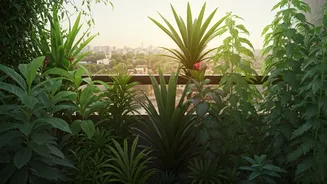
While individual and household adaptations are crucial, the scale of the challenge requires a collective response. The understanding is growing that heat is a public health and infrastructure issue. Cities are experimenting with heat action plans, which include setting up public cooling centres and water kiosks to provide relief for the most vulnerable. There's a push for more green cover in urban areas, which can help mitigate the 'urban heat island' effect that makes cities several degrees hotter than their surroundings. The heatwave is no longer just a personal inconvenience but a shared problem that tests the resilience of our communities and demands coordinated action from citizens and governments alike to build a cooler, more sustainable future.