



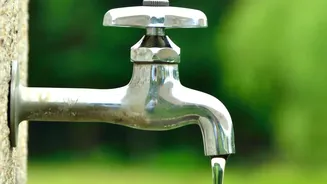
The Invisible Threat in Your Tap
We are surrounded by plastic. It's in our packaging, our clothes, and our technology. As these items break down, they shed tiny particles smaller than a grain of rice, known as microplastics. These minuscule fragments are now found almost everywhere on
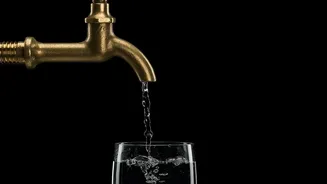
Earth, from the deepest oceans to the highest mountains, and, most troublingly, in our drinking water. Studies confirm the presence of microplastics in tap water systems globally. While conventional water treatment plants can remove a significant portion of these particles, they were not designed to catch all of them, especially the smallest fragments called nanoplastics. As a result, with every glass of tap water, we could be ingesting these persistent pollutants, whose long-term health effects are still a major area of scientific investigation.
What Is Agricultural Bio-Char?
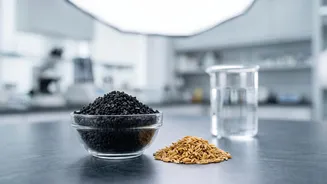
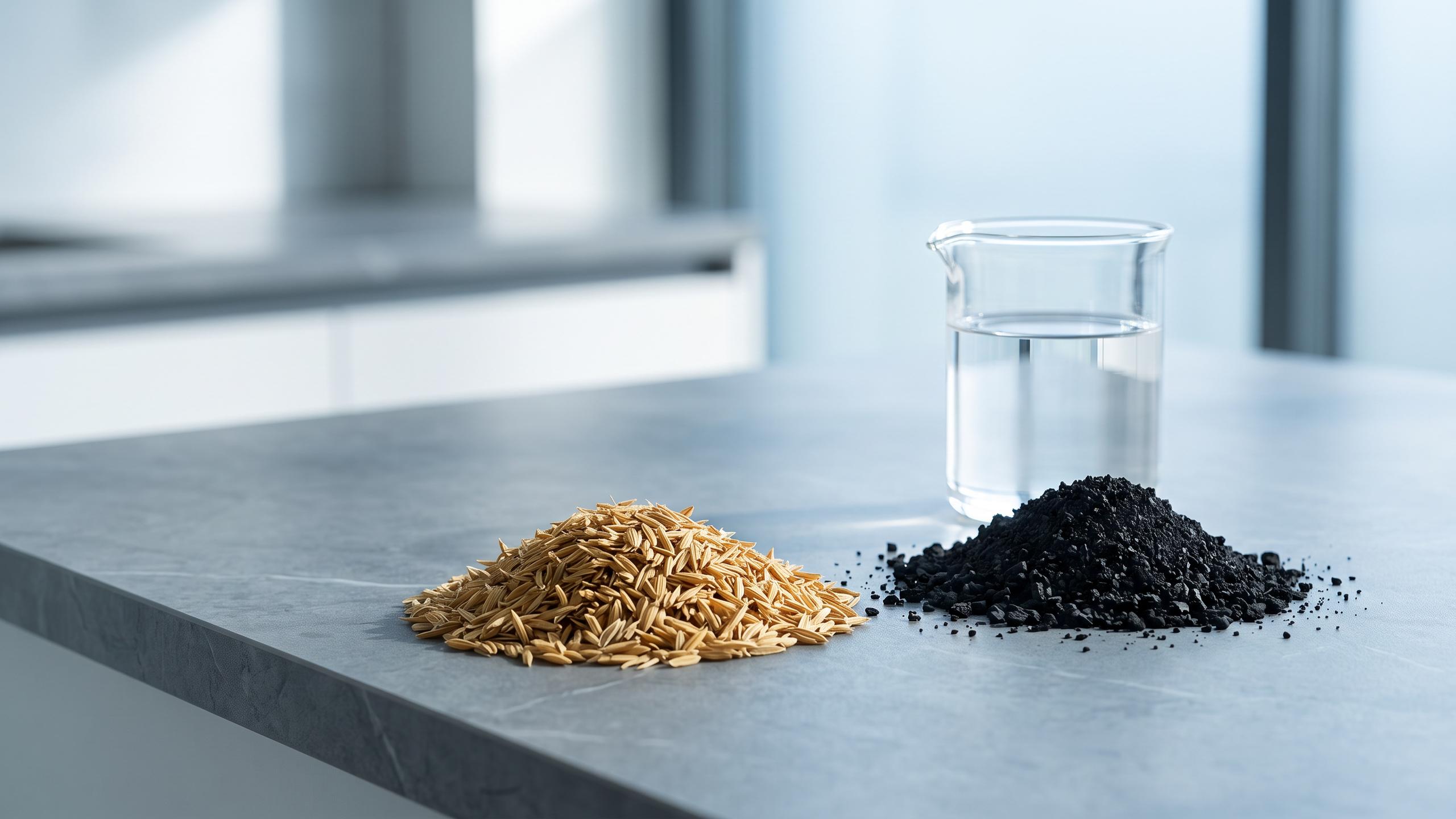
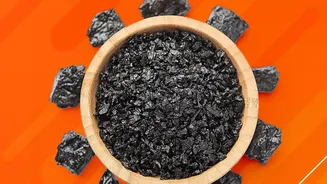
Enter bio-char, a simple, charcoal-like material that has been used for centuries to improve soil health. It's created through a process called pyrolysis, which involves heating organic matter—like wood chips, crop residues, and animal manure—to high temperatures in an oxygen-limited environment. This process transforms agricultural waste that might otherwise be burned or left to decompose into a stable, carbon-rich substance. Originally celebrated for its ability to enhance soil fertility and sequester carbon, scientists are now discovering its incredible potential for environmental remediation, including cleaning our water.
From Farm Waste to Water Filter
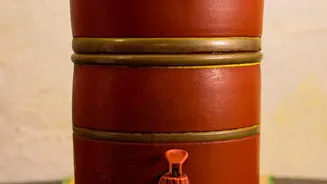
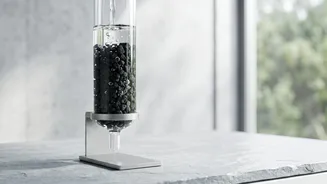
The magic of bio-char lies in its structure. The pyrolysis process creates a highly porous material with an enormous surface area. A spoonful of bio-char can have the internal surface area of a football field, creating a vast network of nooks and crannies. When water contaminated with microplastics flows through a bio-char filter, these tiny plastic particles get trapped. The process works through several mechanisms, including physical trapping (straining) and adsorption, where particles stick to the bio-char's surface through weak electrostatic forces. Research has shown that bio-char filters can be remarkably effective, in some lab settings removing over 90% of microplastics from water.
A Sustainable and Low-Cost Solution
What makes bio-char particularly exciting for urban water filtration is its cost-effectiveness and sustainability. Current high-tech filtration methods like reverse osmosis can be expensive to install and maintain. In contrast, bio-char can be produced from readily available, low-cost agricultural waste. This creates a circular economy: turning a rural waste problem into an urban environmental solution. For a country like India, with vast agricultural output and rapidly growing cities facing water quality challenges, this technology presents a significant opportunity. It offers a scalable, affordable way to add a crucial layer of defence to municipal water treatment systems. Compared to industrial activated carbon, which can cost several times more, bio-char presents an economically viable alternative for large-scale applications.
The Road Ahead for Clean Water
While the potential is clear, the journey from lab-based studies to city-wide implementation requires further work. Researchers are focused on optimizing the process, determining the best types of agricultural feedstock—from pine wood to sugarcane bagasse—and the ideal pyrolysis conditions to create the most effective bio-char for specific pollutants. They are also studying the longevity of these filters and how to manage the 'spent' bio-char once it's saturated with contaminants. However, the promise is undeniable. Beyond microplastics, studies show bio-char can also adsorb other contaminants like heavy metals and pharmaceutical residues, making it a multi-purpose tool for water purification.