
The Invisible Dangers in the Bowl
Each time your pet eats, a combination of leftover food particles and saliva creates a welcoming environment for harmful bacteria. Studies have shown that pet food bowls can rank as one of the germiest items in a household. They can become breeding grounds
for dangerous pathogens like Salmonella, E. coli, and Listeria. These bacteria can cause significant gastrointestinal issues in pets, including vomiting and diarrhea. Furthermore, this contamination can pose a risk to humans in the household through cross-contamination, especially affecting young children or immunocompromised individuals.
The Menace of Biofilm
Over time, that slimy coating you might feel inside a water or food bowl is more than just residue; it's a complex community of microorganisms called biofilm. This sticky, glue-like substance allows bacteria to firmly attach to the bowl's surface, making them much more resistant to simple rinsing. Biofilm can shelter dangerous bacteria and can be difficult to remove without proper scrubbing. The presence of biofilm not only poses a health risk but can also give food and water an unpleasant taste, potentially discouraging your pet from eating or drinking.
Why a Dry Bowl Matters
The 'dry' part of the instruction is just as critical as the 'clean' part. Moisture is a key ingredient for the growth of both bacteria and mold. Even a small amount of water left in a bowl after washing can become a breeding ground for these organisms. Mold can produce toxic substances called mycotoxins, which can lead to serious health issues if ingested by your pet. Ensuring the bowl and scoop are completely dry before you add food eliminates this risk, keeping the meal fresh and safe. Proper drying is a simple step that significantly enhances the hygiene of your pet's feeding routine.
The Right Way to Clean and Sanitize
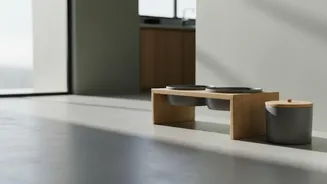
According to the U.S. Food and Drug Administration (FDA), pet food bowls and utensils should be washed with soap and hot water after each use. For the most effective cleaning, use a dishwasher if the bowl is dishwasher-safe, as the high heat helps sanitize it. If washing by hand, use a dedicated sponge or brush to avoid cross-contaminating human dishes. When choosing a bowl, stainless steel is often recommended because it is non-porous and resists scratches where bacteria can hide, unlike plastic bowls. Ceramic is another good option, though you should check regularly for any chips or cracks. After washing, rinse thoroughly and allow the bowl to air dry completely or wipe it with a clean, separate towel.
Establishing a Safe Feeding Routine
Creating a consistent cleaning habit is the best way to protect your pet. Food bowls, especially those used for wet food, should be washed after every meal. For dry food, washing once daily is a strong baseline. Don't forget the water bowl, which should be cleaned daily to prevent biofilm buildup. The food scoop is another commonly overlooked item; it should also be washed regularly, as it repeatedly comes into contact with the food. By making this part of your daily routine, you ensure your pet's dining area is a source of nourishment, not a source of illness.