






The New Travel Dilemma
For years, 'overtourism' was a problem for the big names: Venice, Barcelona, Machu Picchu. It was a story of ancient cities and world wonders buckling under the weight of their own popularity. But now, the conversation is shifting. The very same forces—social
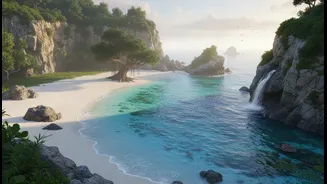
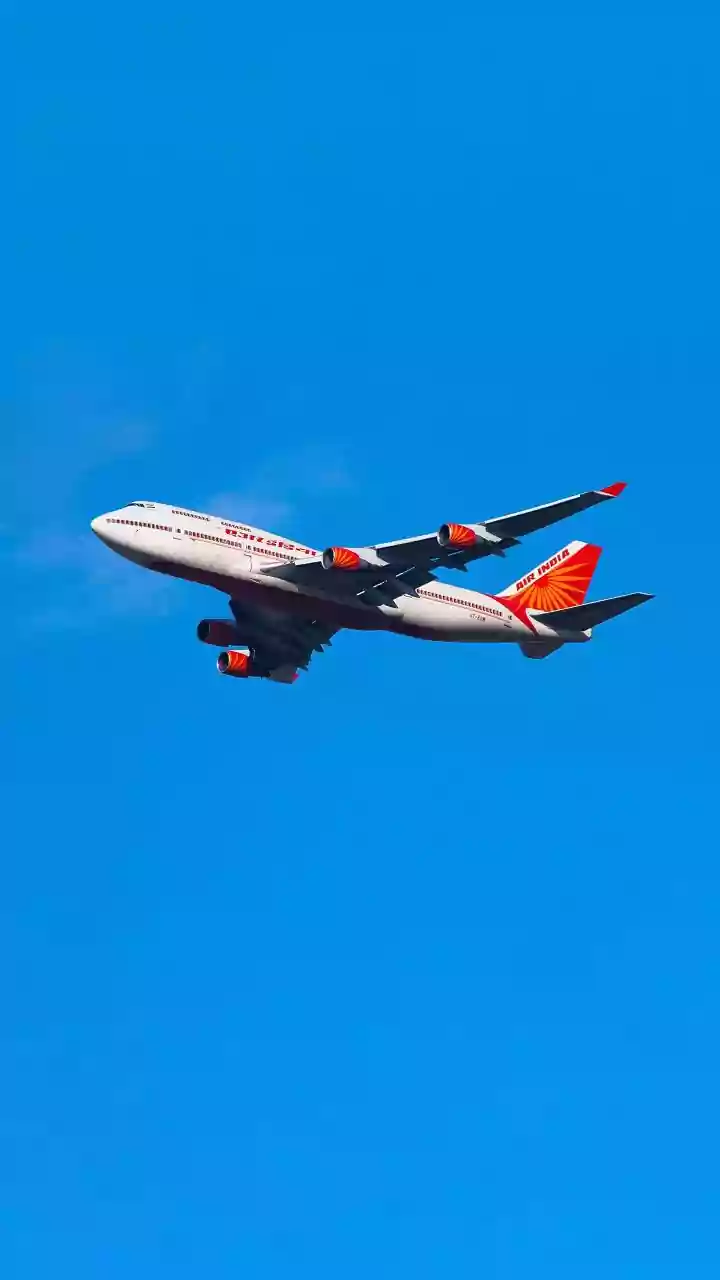
media, budget airlines, and a global hunger for authentic experiences—are putting pressure on places that were, until recently, far from the beaten path. A single viral video can turn a quiet village or a secluded beach into a trending destination overnight, often before the local infrastructure or community is ready to handle the influx. This has created a new dilemma for conscientious travellers. The search for the 'undiscovered' is now tempered by a fear of being part of the problem, turning discovery into a crowd.
The Social Media Effect
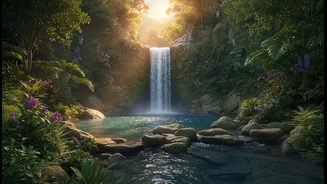
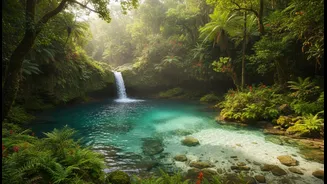
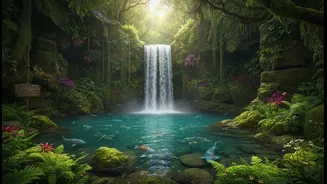
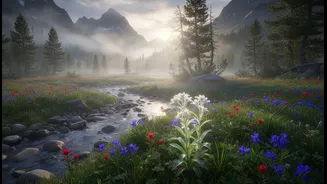
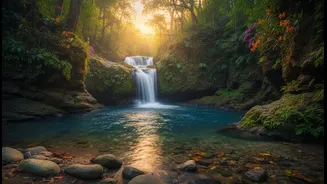
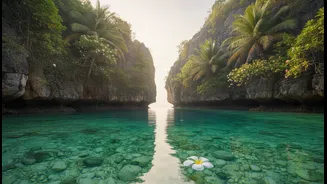
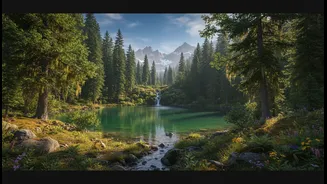
Social media is the great accelerator in this new landscape. Platforms like Instagram and TikTok have democratised travel inspiration, allowing anyone to showcase a beautiful location to a global audience. A stunningly aesthetic photo can launch a thousand trips. The #hiddengem hashtag, meant to signify exclusivity, has ironically become a beacon for the masses. This has led to a fascinating and controversial new behaviour: gatekeeping. Some travellers now deliberately avoid geotagging specific locations or obscure the names of small villages and pristine natural spots in their posts. They argue it's a form of digital silence aimed at conservation, not selfishness. The goal isn't to hoard beauty, but to give fragile places a chance to breathe, protecting them from the disruptive quest for the perfect photo op.
From Tourist to Guardian?
Beyond simply not sharing a location, a wider movement towards responsible tourism is gaining momentum. Surveys show that a significant majority of travellers want to travel more sustainably and believe it's necessary to act now to protect the planet for future generations. This translates into a desire to be a guardian, not just a visitor. It means a shift in mindset from simply consuming a place to actively contributing to its well-being. This can take many forms: choosing to travel in the off-season to reduce pressure, staying longer in one place to gain a deeper understanding (slow travel), and prioritising locally-owned businesses to ensure tourism dollars directly benefit the community. It’s about understanding that your presence as a traveller has a real impact on local cultures, economies, and environments.
Listening to Local Voices
Ultimately, the conversation about protecting lesser-known destinations must centre on the people who call them home. Overtourism isn't just about crowded viewpoints; it's about strained water systems, rising rents that push out locals, and the erosion of cultural heritage. In places like Goa's Fontainhas quarter, residents have put up signs asking tourists not to photograph their homes, a clear sign of the friction caused by tourism focused only on content creation. Responsible travel means listening to these concerns. It involves seeking out guides and tour companies that are locally owned and operated, who have a vested interest in the long-term health of their home. By putting local perspectives first, travellers can help ensure that tourism develops in a way that is sustainable and welcome, rather than extractive and overwhelming.
Travelling with Intent
So, how can you explore the world without unintentionally loving it to death? The answer lies in travelling with intent. Before you book, research the destination beyond its main attractions. Are there local concerns about overtourism? When you're there, make conscious choices. Carry a reusable water bottle to reduce plastic waste, buy souvenirs from local artisans instead of mass-producers, and eat at family-run restaurants. Think of it as voting with your wallet for the kind of tourism you want to support. Consider exploring 'second city' destinations—lesser-known alternatives that offer similar charm without the crowds. And finally, when you do find that magical, untouched place, pause before you post. Perhaps the most meaningful way to honour a beautiful place is to hold the memory, not just the geotag.